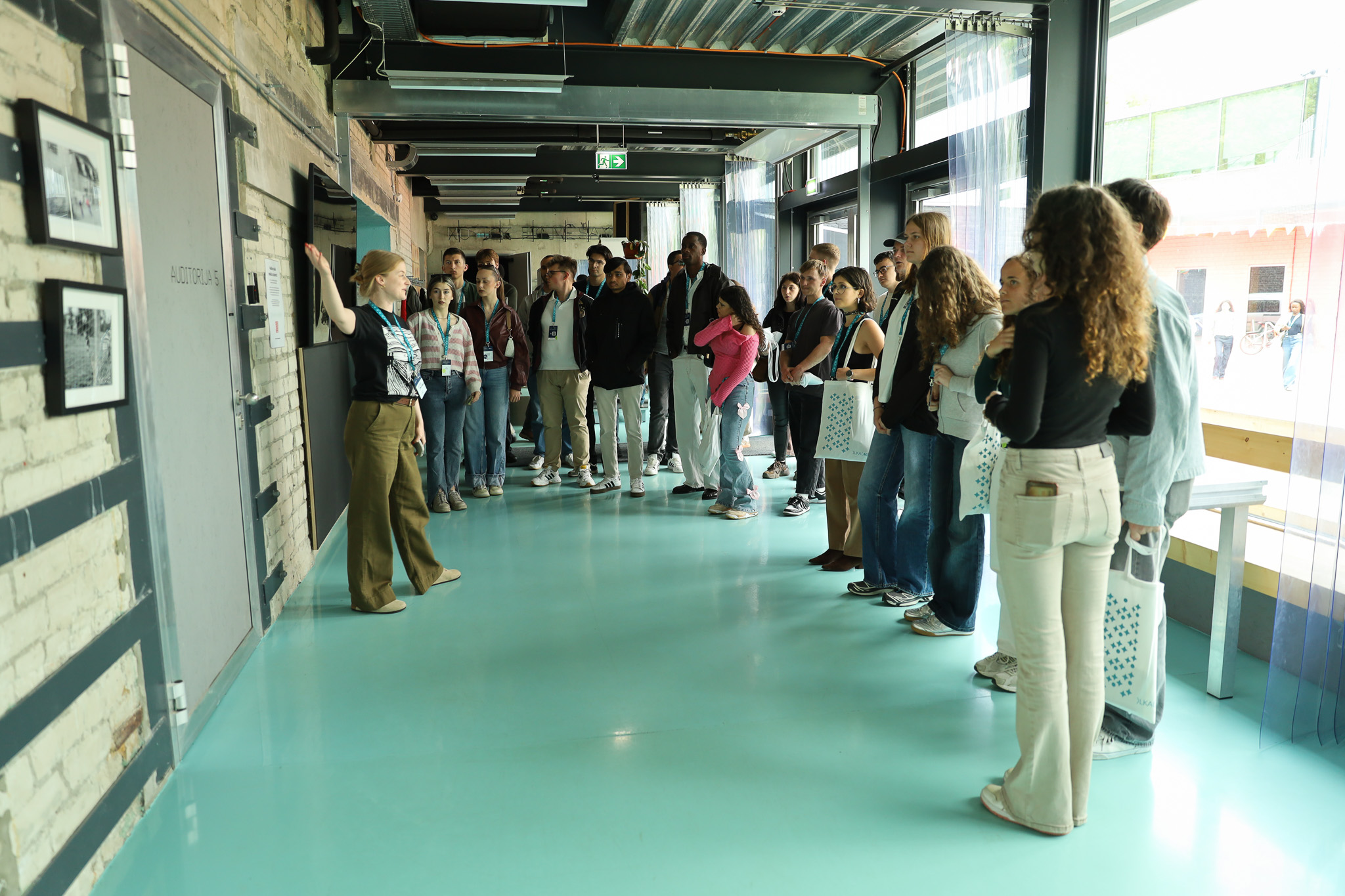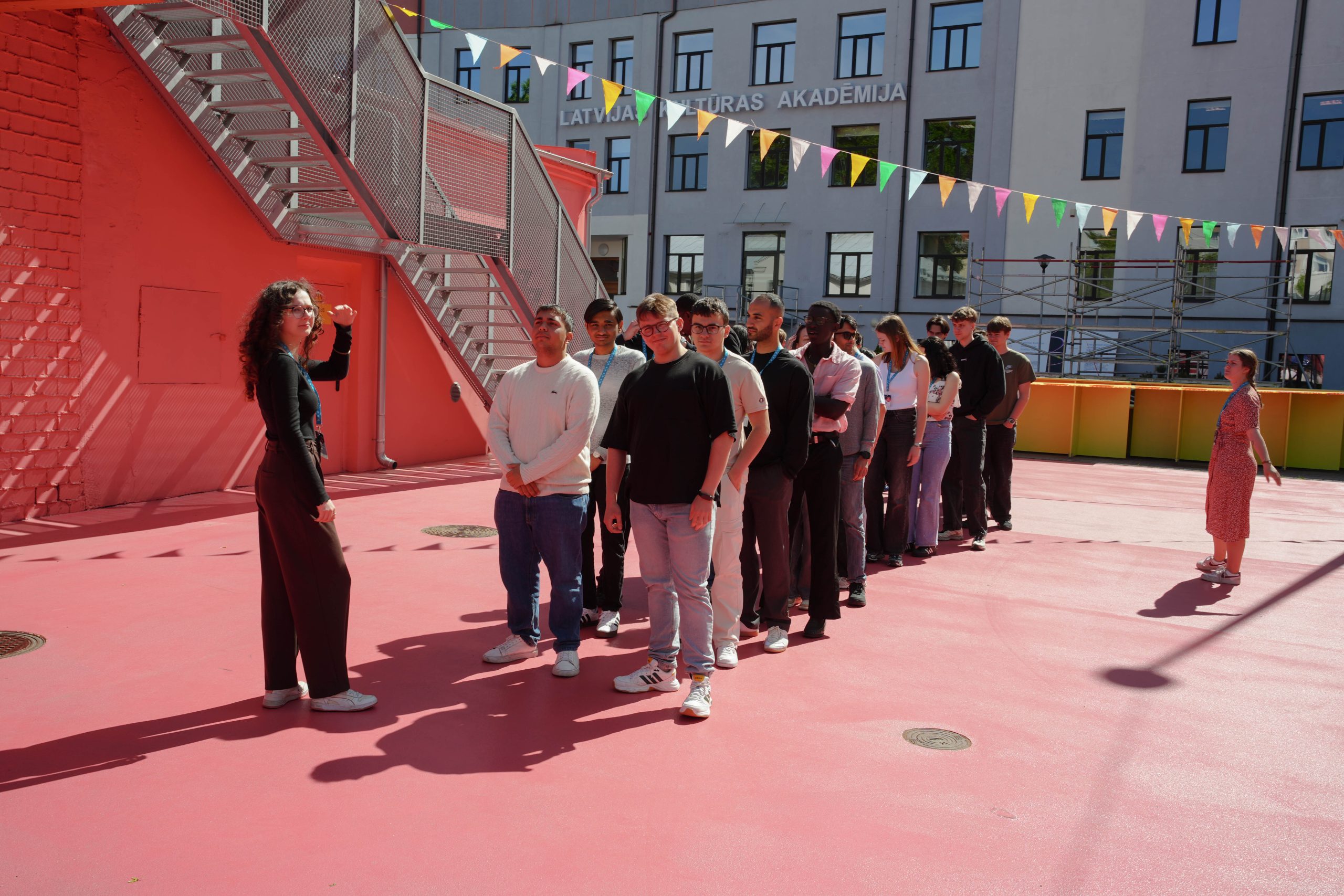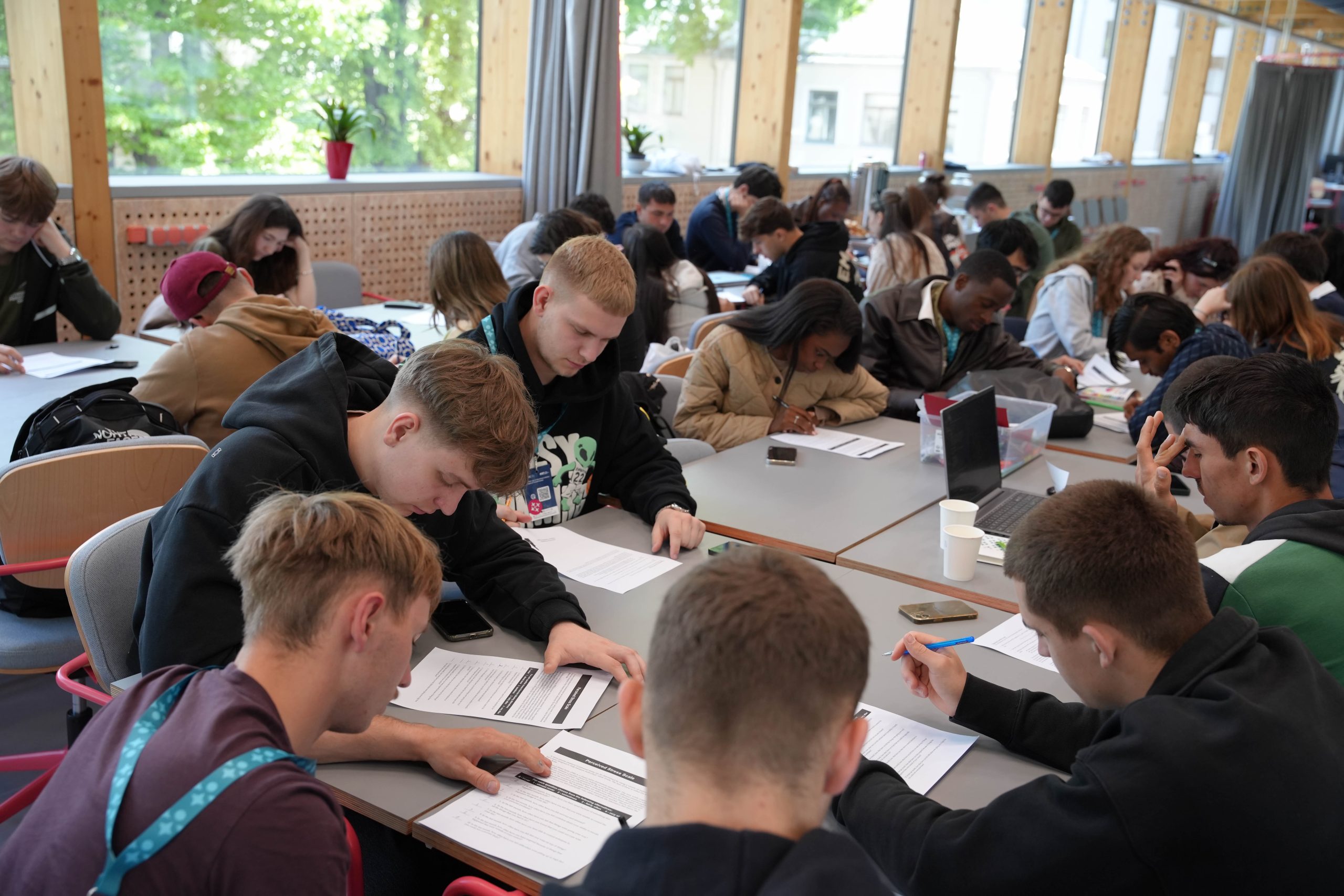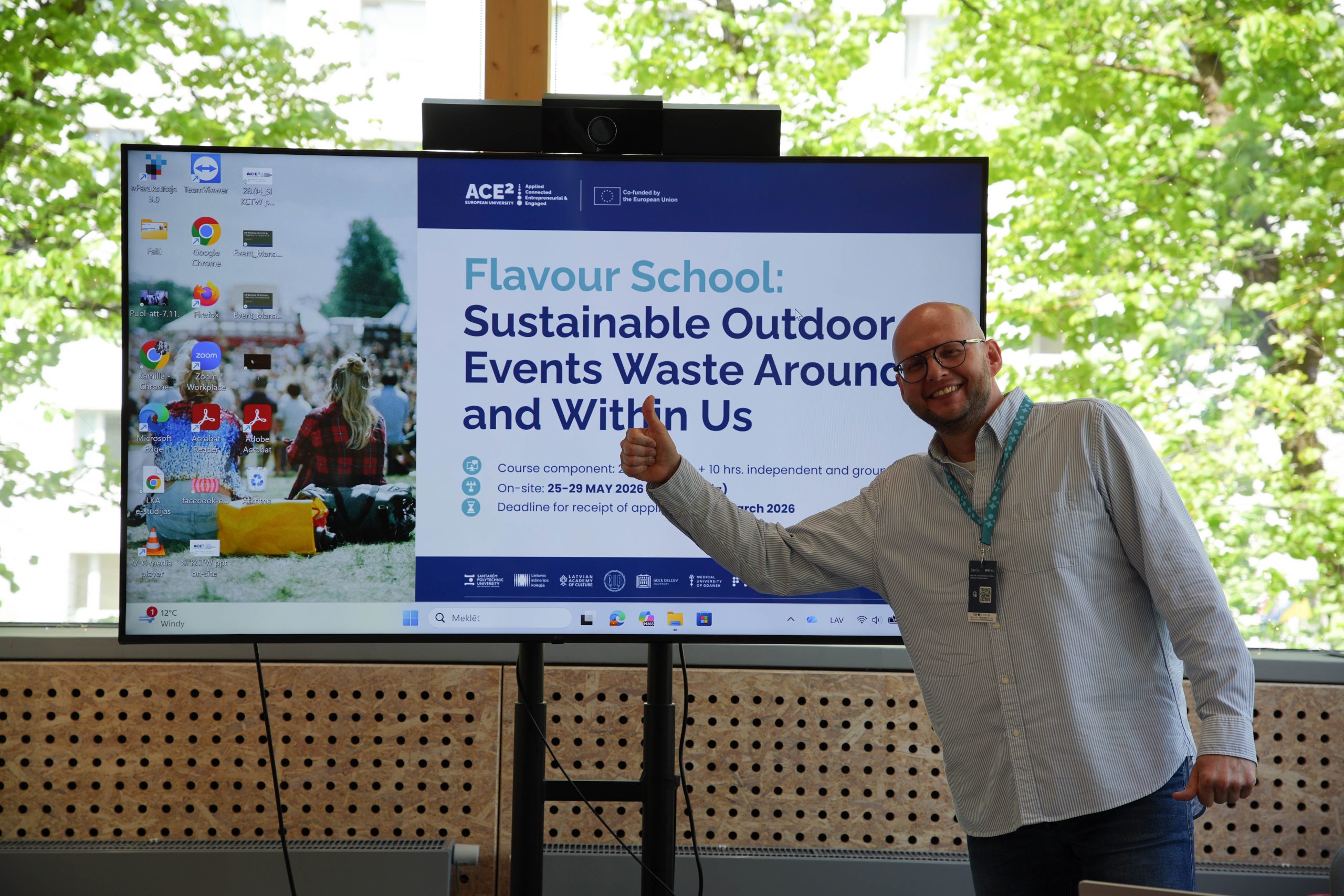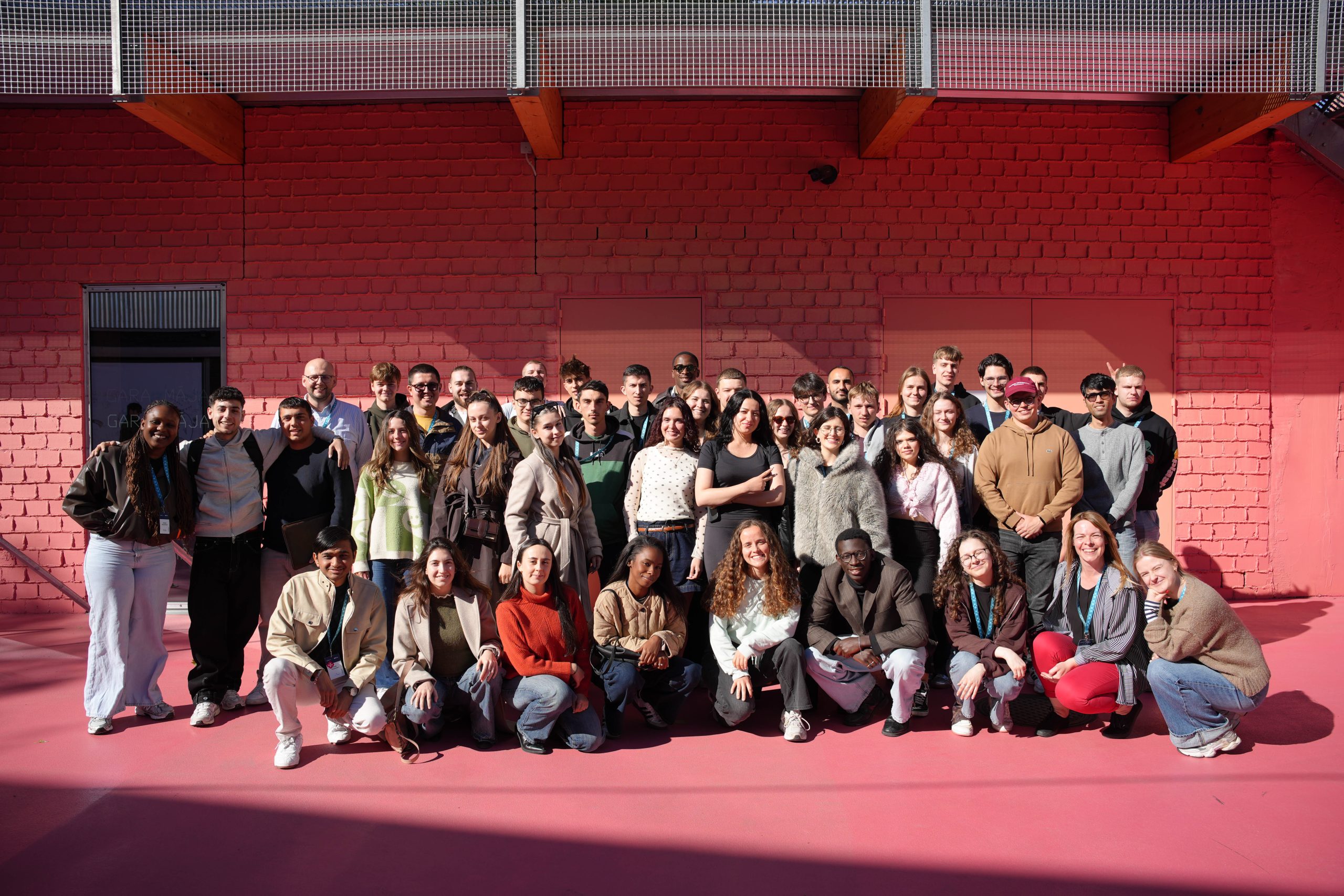
From 25 to 29 May, the Latvian Academy of Culture (LAC) hosted the ACE²-EU Alliance Flavour School “Sustainable Outdoor Events: Waste Around and Within Us”, bringing together 43 students and more than 10 lecturers from partner universities across Europe to explore solutions for more sustainable outdoor event management. The programme was designed and coordinated by Aija Lūse, Lecturer at the Latvian Academy of Culture and Director of the Master’s programme “Cultural and Arts Management”, in collaboration with Lietuvos Inžinerijos kolegija (Lithuania) and the Medical University of Gdańsk (Poland). Key industry partners included the Latvian music and arts festival “Laba Daba” and the environmental management company “Getliņi EKO”.
“When discussing sustainability in events, we often think only about waste sorting on the festival grounds. However, a sustainable event begins much earlier – during the planning stage, when transport flows, resource consumption, supply chains, and visitor behaviour are taken into account. Our goal was to help students see this entire system and understand that sustainability is not a single activity but a comprehensive approach,” explains programme coordinator Aija Lūse.
The opening day introduced participants to the theoretical foundations of sustainability and their relevance to cultural event management. LAC guest lecturer Rūdolfs Kivlenieks provided an overview of the environmental and social dimensions of sustainability, while Associate Professor Agnese Hermane explored the relationship between outdoor events and visitor experience, examining how event environments, organisational decisions, and audience needs shape the overall experience.
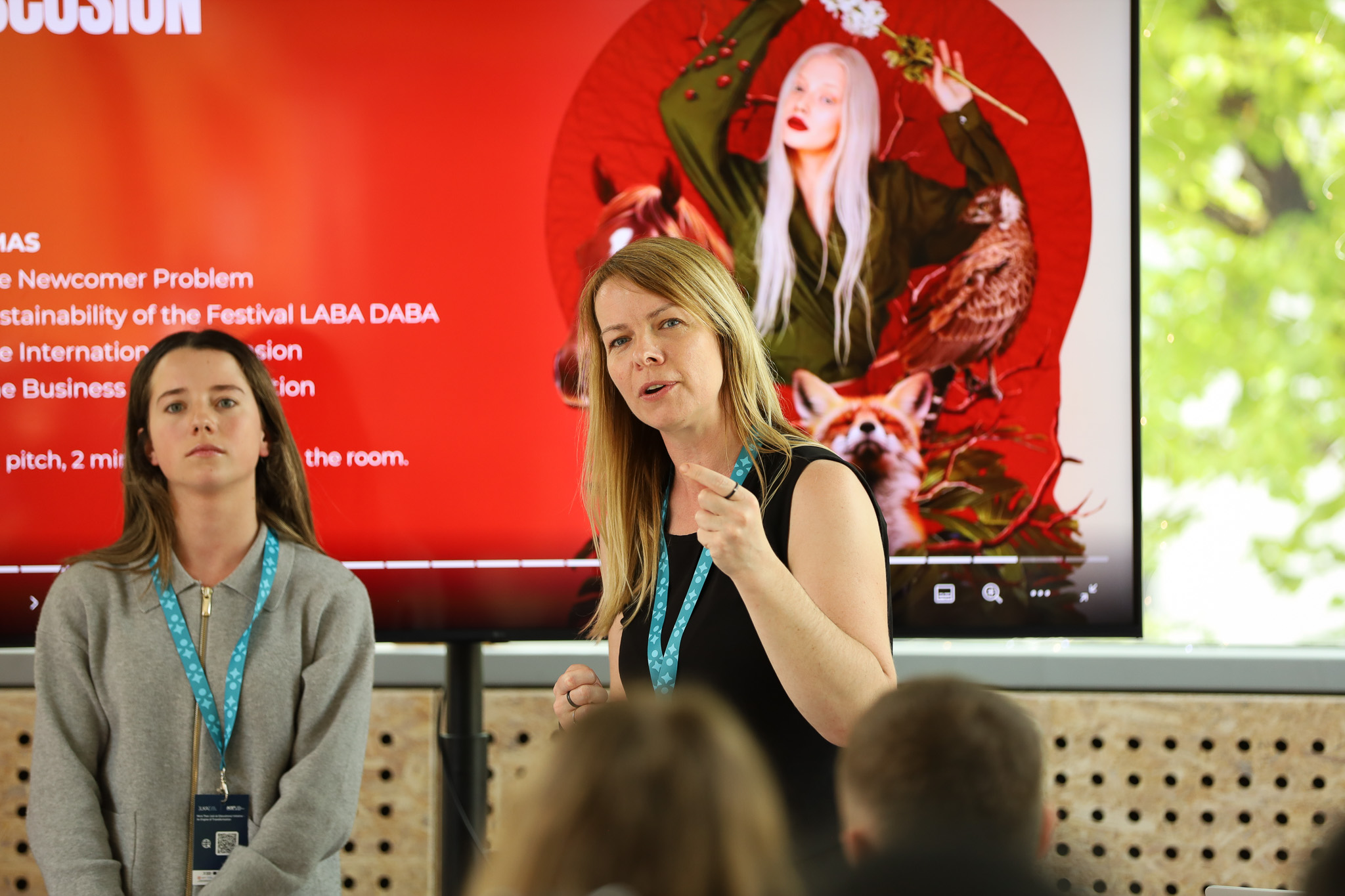
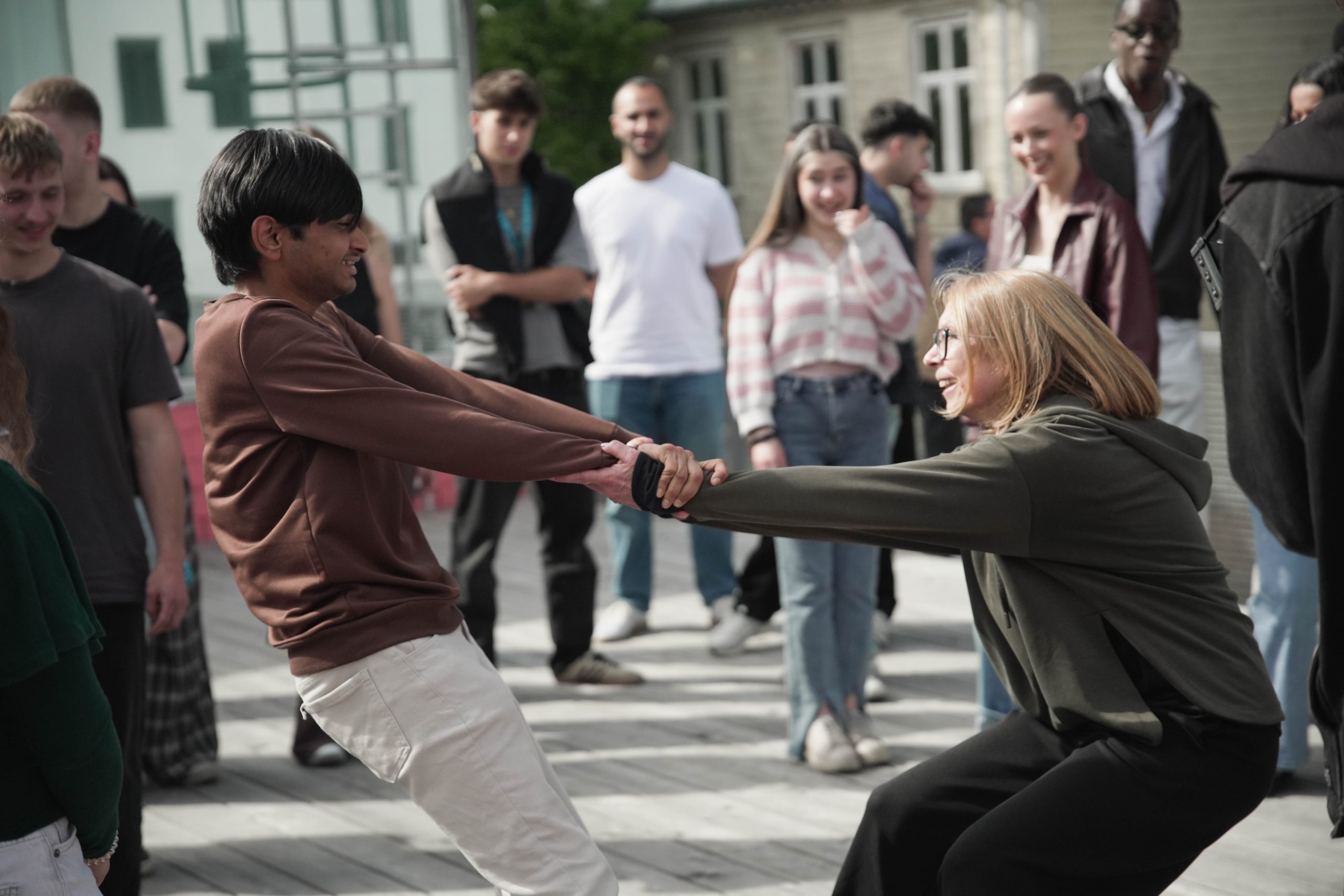
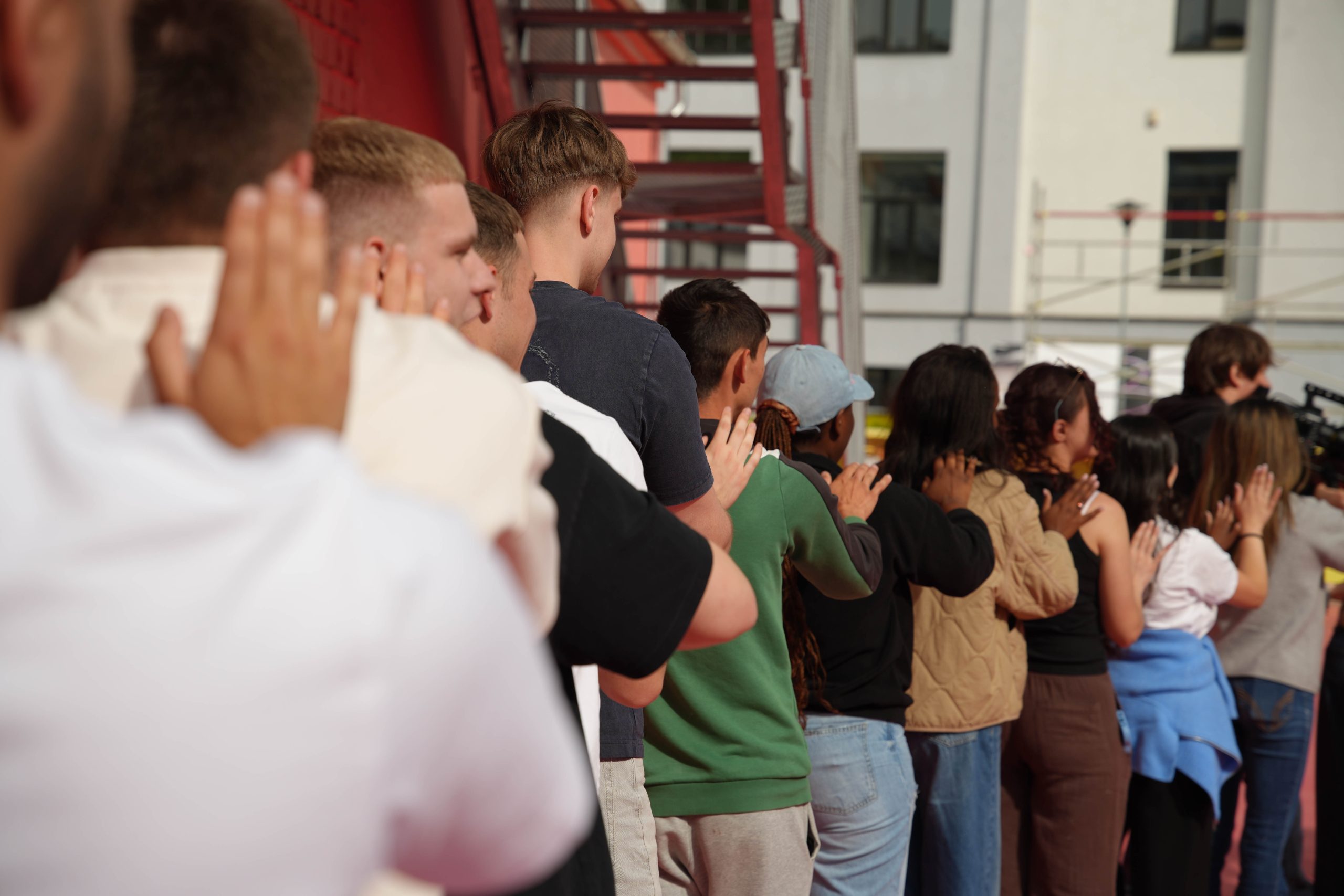
Later that day, Gundega Turnele, Director of the “Laba Daba” festival, introduced students to the festival’s sustainability practices and challenges within the context of Latvian outdoor events. Her presentation laid the foundation for the collaborative group work that continued throughout the week. The day concluded with a masterclass led by Professor Ramona Galkina, where participants explored sustainability, interconnectedness, and self-awareness through movement and embodied experience.
Throughout the week, student teams worked on a challenge provided by the representatives of “Laba Daba” festival titled “Small Country, Wide World”. The task focused on one of the festival’s key strategic questions: how to become more internationally recognised without losing its unique Latvian identity. Students were asked to develop a vision of what internationalisation should mean for the festival, identify new cooperation networks, European funding opportunities, and international partnerships, and propose practical sustainability solutions for the festival’s future development.
The resulting proposals were diverse and creative. Several groups argued that international growth should not be based on attracting mass tourism, but rather on offering authentic Latvian culture, nature, and community experiences to international audiences. Students proposed joining European festival networks, creating international artist residency programmes, strengthening cooperation with European cultural organisations, and building strategic relationships with international media outlets and cultural professionals.
Alongside internationalisation strategies, students also developed sustainability initiatives. Proposed ideas included a “Green Passport” programme for festival visitors, sustainability education activities embedded within the festival programme, international craft and cultural exchange projects, circular economy initiatives, sustainable mobility solutions, and increased visitor participation in environmental protection activities.
International lecturers also played a significant role in the programme. On the second day, students worked with professors Romutė Mikučionienė and Valda Gudynaitė-Franckevičienė from Lietuvos Inžinerijos kolegija, analysing the impact of festivals on soil and natural ecosystems and discussing how nature and movement can become integral elements of sustainable event experiences. LAC researcher and student Marta Dieviņa led a practical workshop on aquatic ecosystems and their role in event planning, encouraging participants to think on a river-basin scale and evaluate the suitability of different territories for outdoor events.
The third day focused on human health and often overlooked environmental risks in event settings. Professor Maciej Tankiewicz from the Medical University of Gdańsk introduced participants to health and safety protocols for outdoor events, discussing heat-related risks, hydration strategies, and the impact of noise, light pollution, and other environmental factors on well-being. Students also conducted practical noise measurements and analysed their potential effects on visitors.
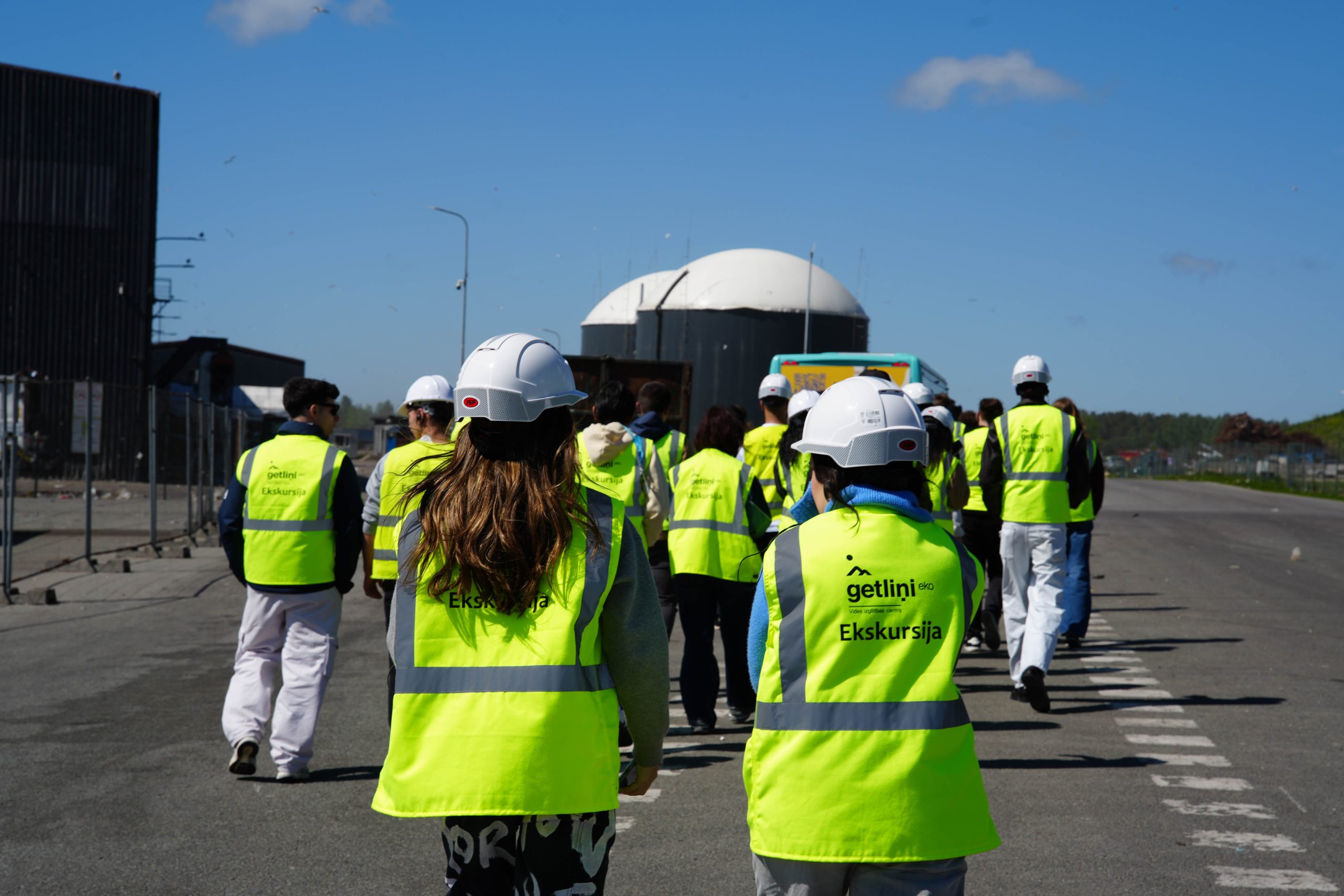
Another important component of the programme was a study visit to “Getliņi EKO”, where students gained first-hand insight into waste management processes, circular economy principles, and sustainable resource use in practice. The visit encouraged participants to look beyond festival grounds and understand the broader chain of responsibility associated with the environmental impact of events.
Prior to the visit, students attended a lecture by Professor Vilda Grybauskienė from Lietuvos Inžinerijos kolegija on the impact of festivals on soil and natural ecosystems. The lecture provided a theoretical understanding of the environmental consequences of human activity and the importance of sustainable resource management. The visit to Getliņi then allowed participants to observe these principles in practice and see how modern waste management systems and circular economy approaches can reduce environmental impact and contribute to more sustainable futures.
At the end of the programme, student teams presented their solutions to representatives of the “Laba Daba” festival, demonstrating both their ability to analyse complex sustainability challenges and their capacity to develop practical, actionable ideas.
At the same time, the programme highlighted that sustainable event management is not merely a collection of technical solutions. It is an interdisciplinary process in which environmental responsibility, cultural identity, human health, and community participation are equally important components.
Funded by the European Union. Views and opinions expressed are however those of the author(s) only and do not necessarily reflect those of the European Union or the European Education and Culture Executive Agency (EACEA). Neither the European Union nor EACEA can be held responsible for them. Project 101177596.
Prepared by Aija Lūse