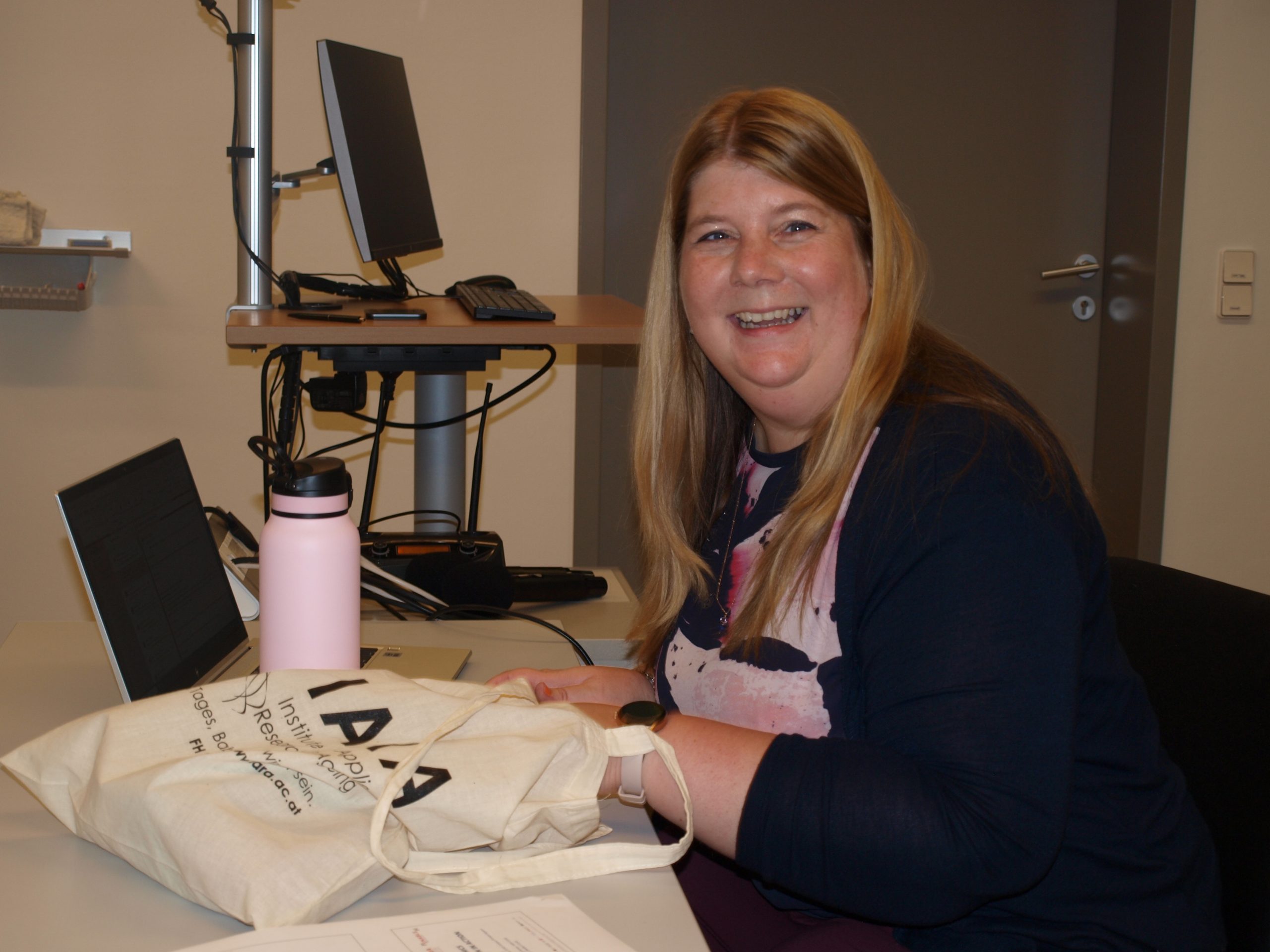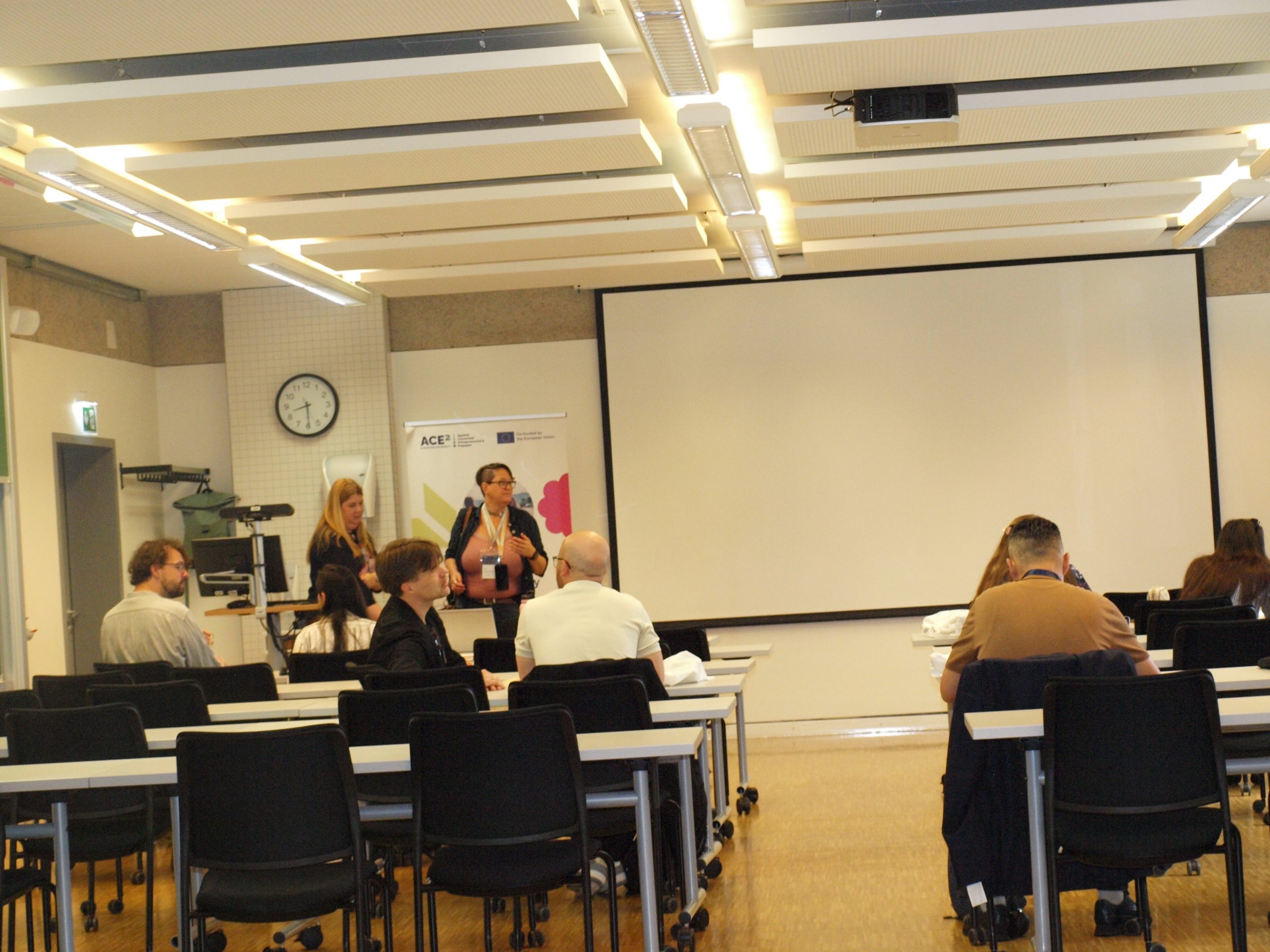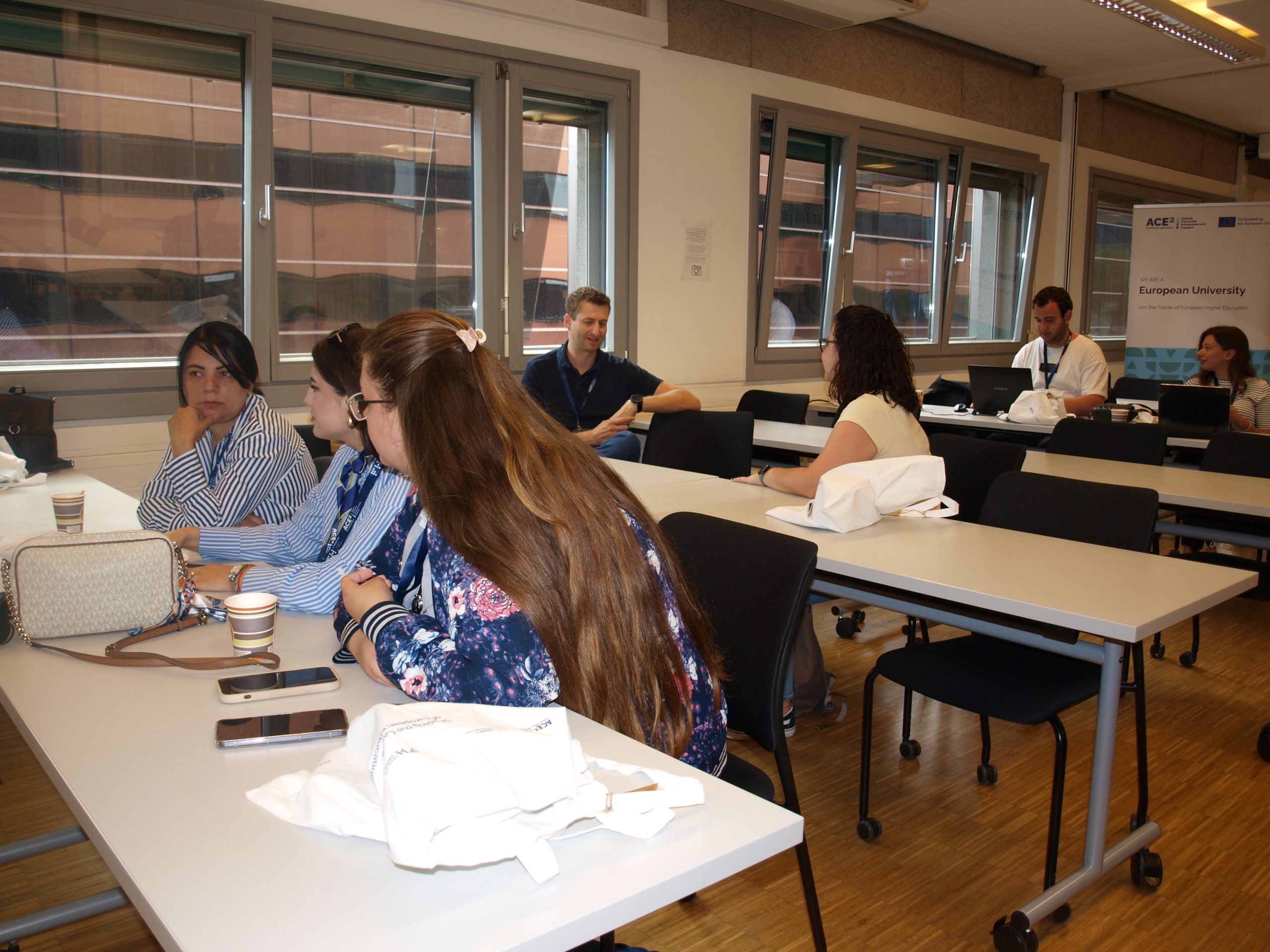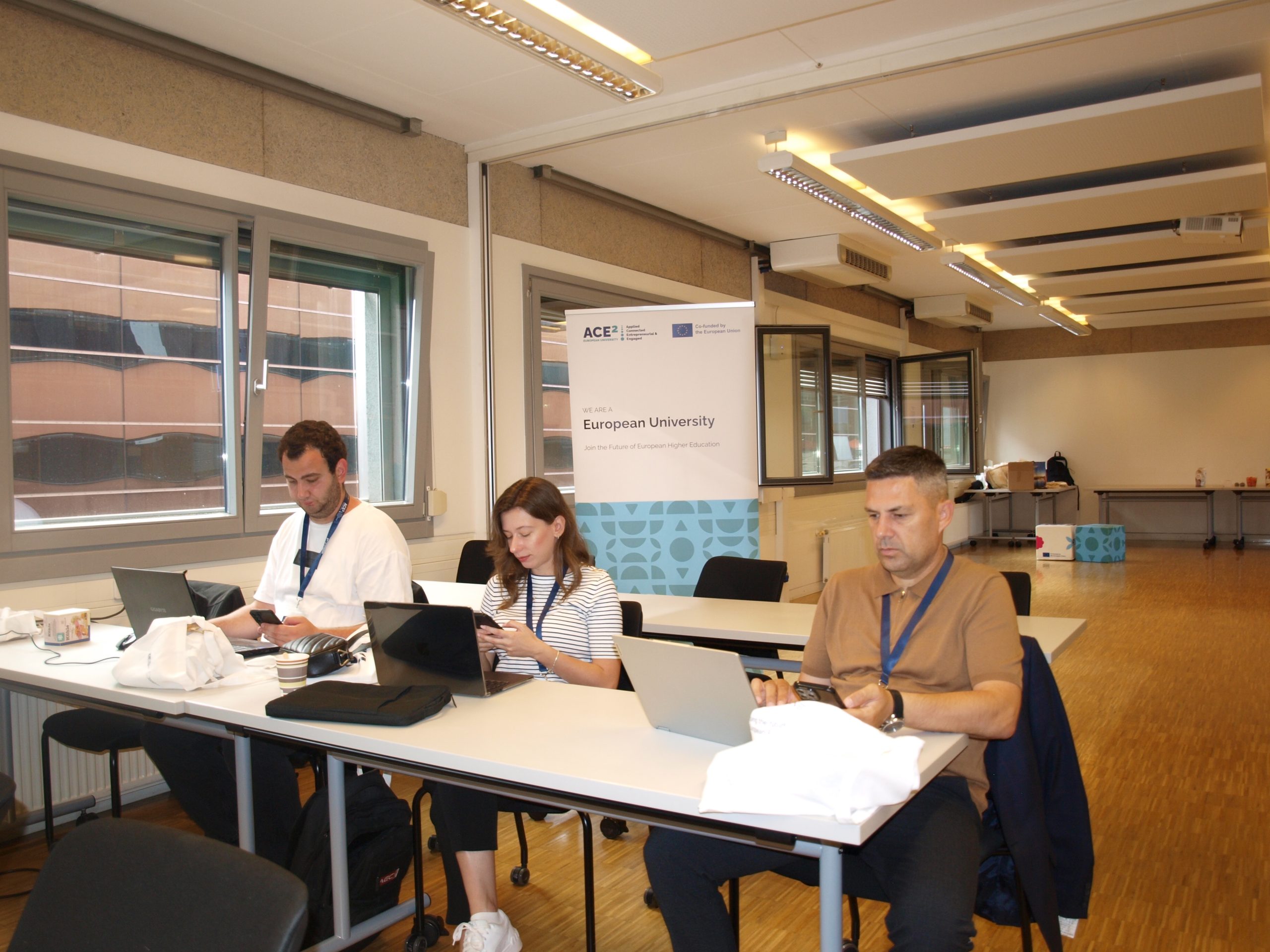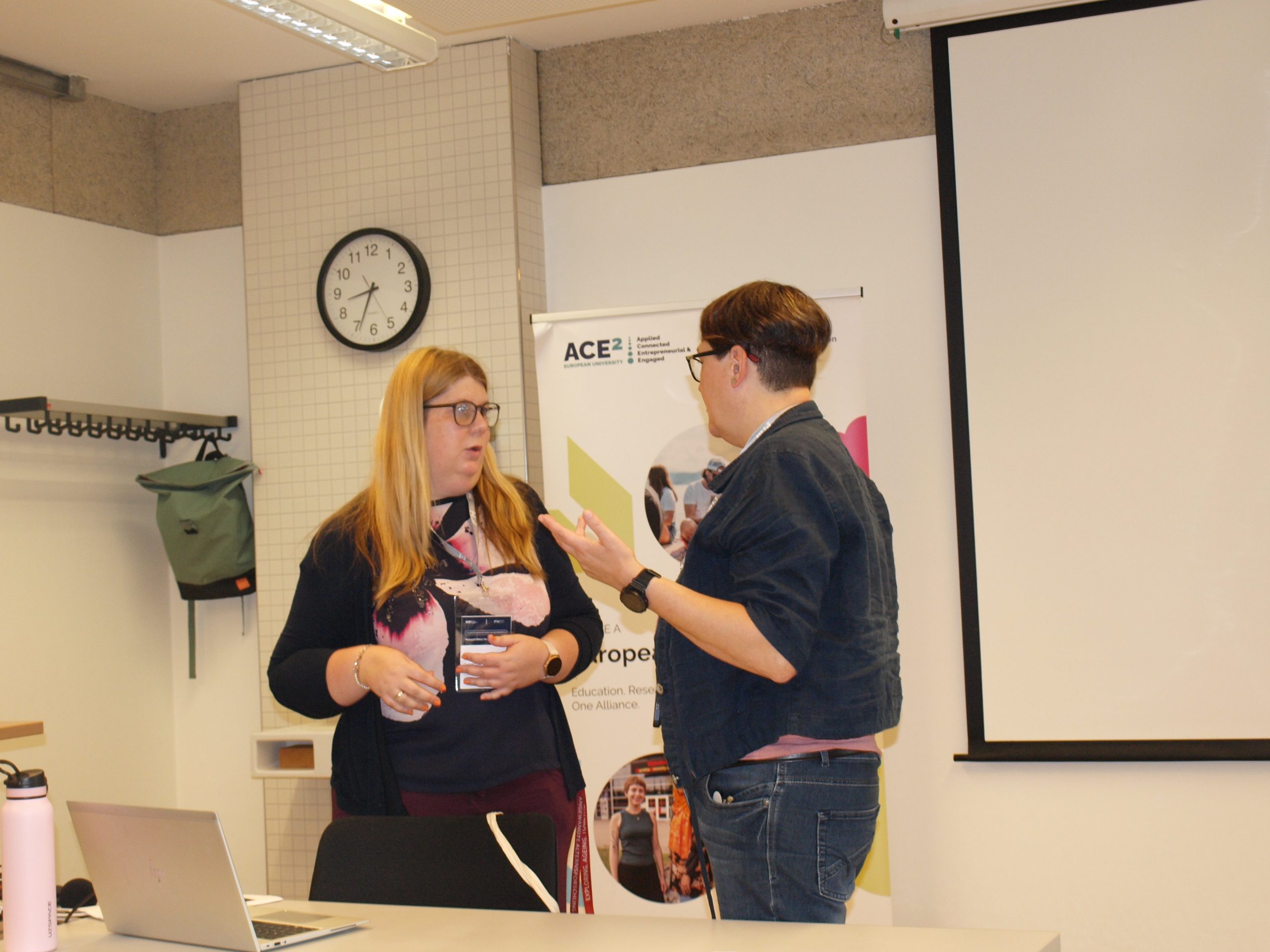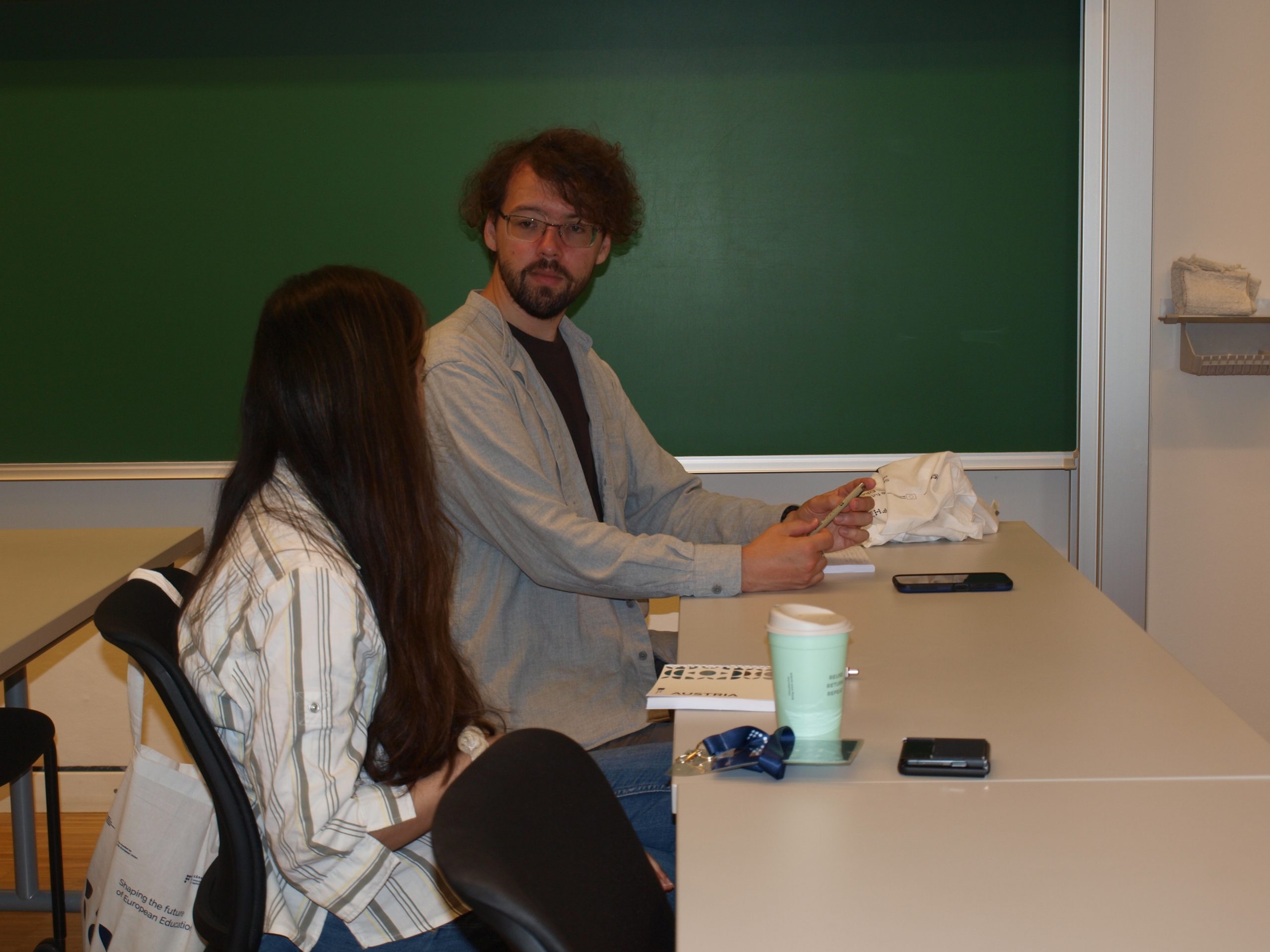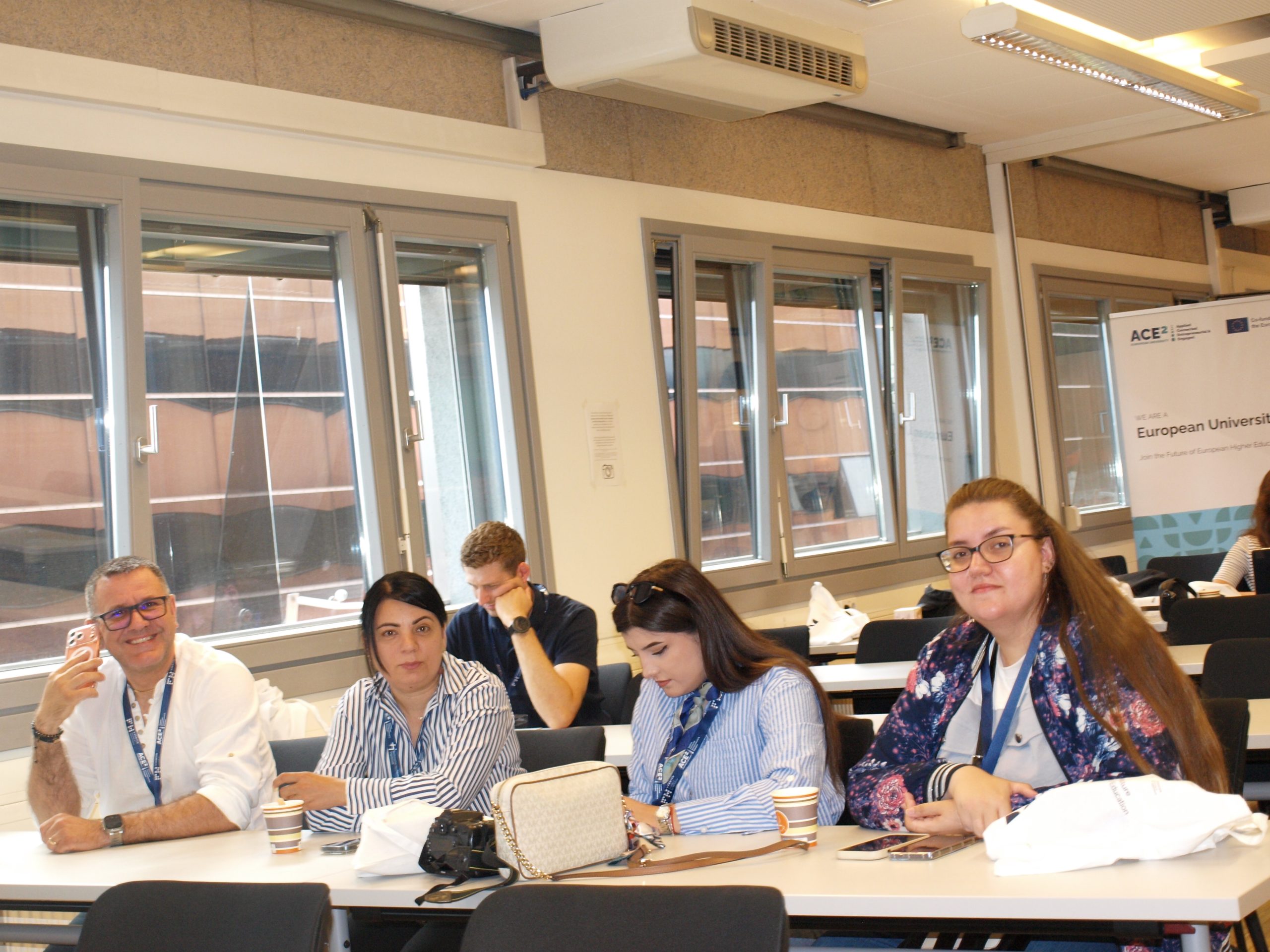
Carinthia University of Applied Sciences (CUAS), 16–17 June 2026 – The ACE-SCHOLAR Workshop #1 continued its momentum with two intensive days of theoretical exploration, hands-on lab experience, and collaborative group sessions at the Klagenfurt Primoschgasse Campus. Under the guidance of CUAS faculty and ACE²-EU Alliance experts, participants from partner universities immersed themselves in the principles of participatory research, ethical considerations, and study design—all cornerstones of the researcher capacity building mission.
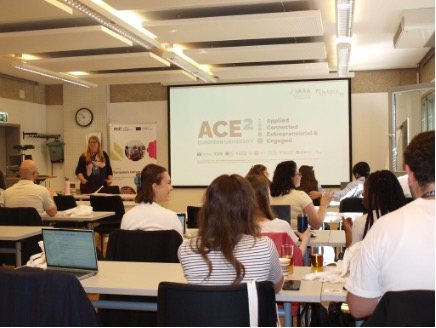
Why does participatory research matter? Because human-involved research demands more than data collection—it requires trust, transparency, and shared ownership. At CUAS, participatory approaches have already transformed projects across healthcare, social sciences, economics sciences and technology, proving that involving stakeholders from the outset leads to more relevant, ethical, and sustainable outcomes. From co-designing digital health tools with patients to collaborating with local communities on environmental studies, CUAS has demonstrated how ethics, regulations, and real-world impact go hand in hand. These days were about learning from those practical, proven examples—and applying them to new challenges.
Day 2: Laying the Groundwork
The second day began with a warm welcome and icebreaker activities, setting a collaborative tone for the sessions ahead. Christine Dullnig-Pichler and Daniela Krainer led an engaging overview of participatory research in theory and practice, emphasising how co-creation with stakeholders can transform traditional research paradigms. The morning session was a deep dive into ethical frameworks, research integrity, and the role of interdisciplinary collaboration in addressing complex societal challenges.
“Participatory research isn’t just a method, it’s a methodological approach and a collaborative mindset. It’s about giving voice to those affected by the research and ensuring that outcomes are inclusive, equitable, and actionable. But it’s also about navigating the complex landscape of ethical regulations—from GDPR compliance to institutional review boards—while never losing sight of the human element.” – Christine Dullnig-Pichler
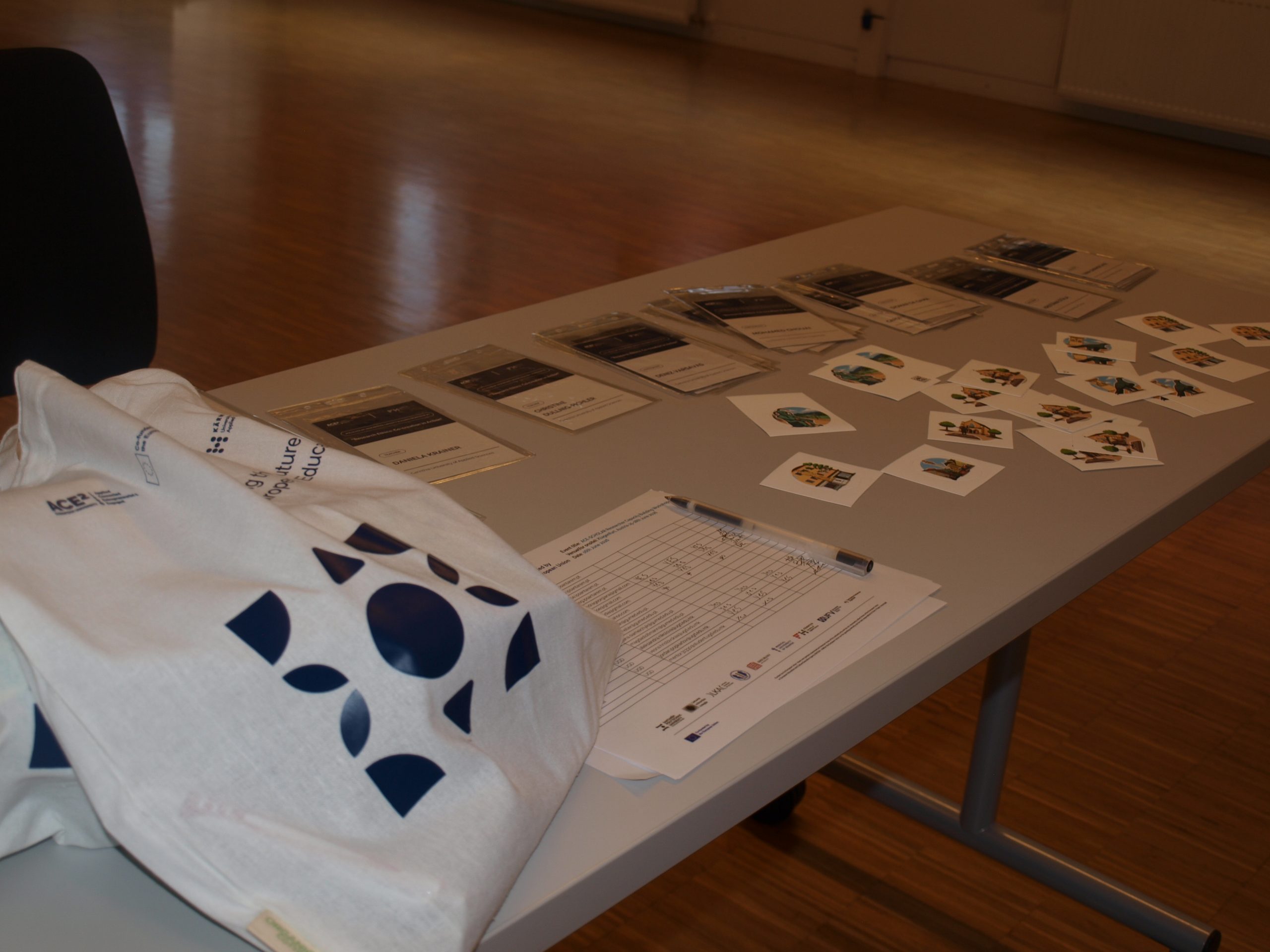
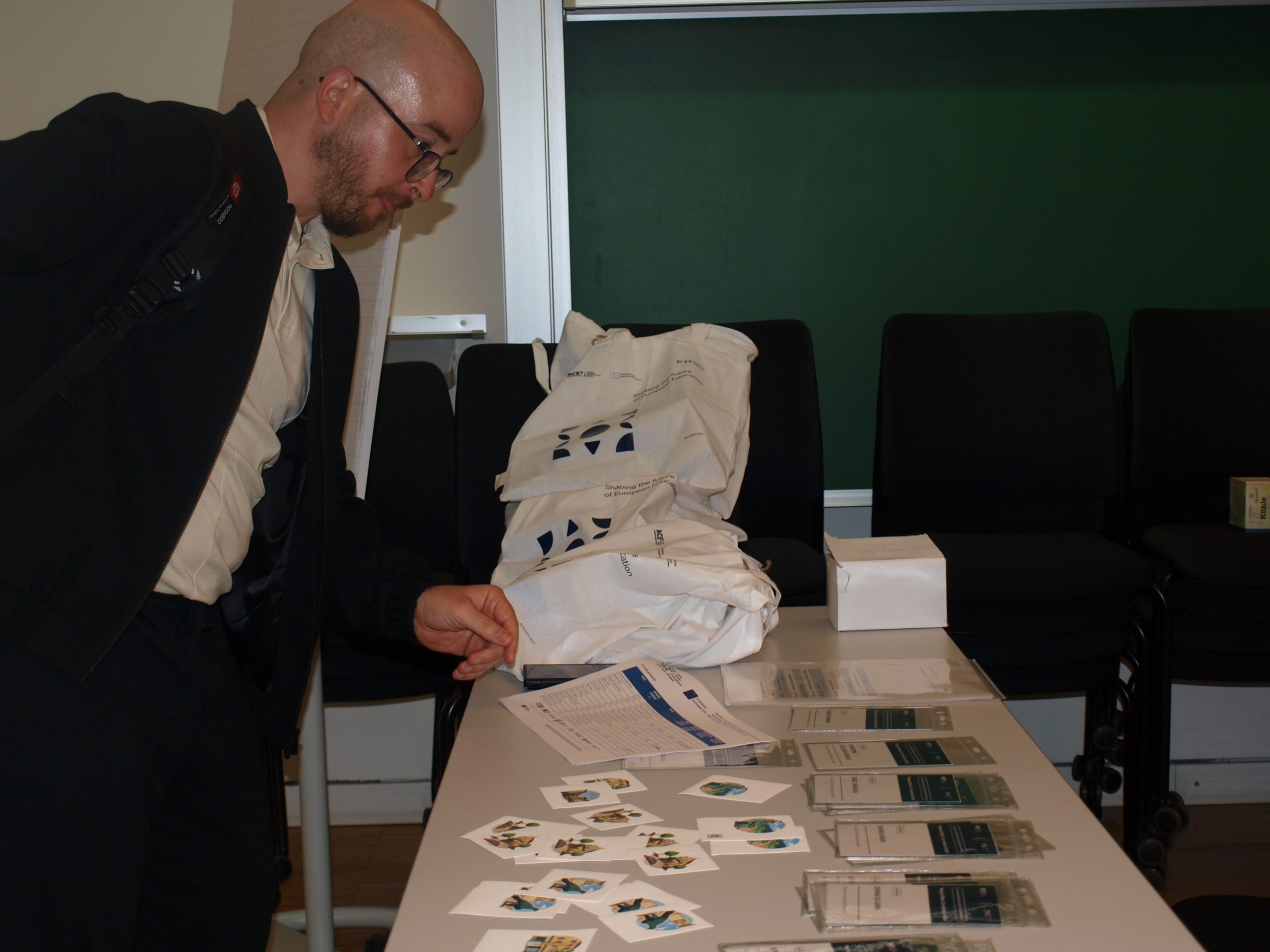
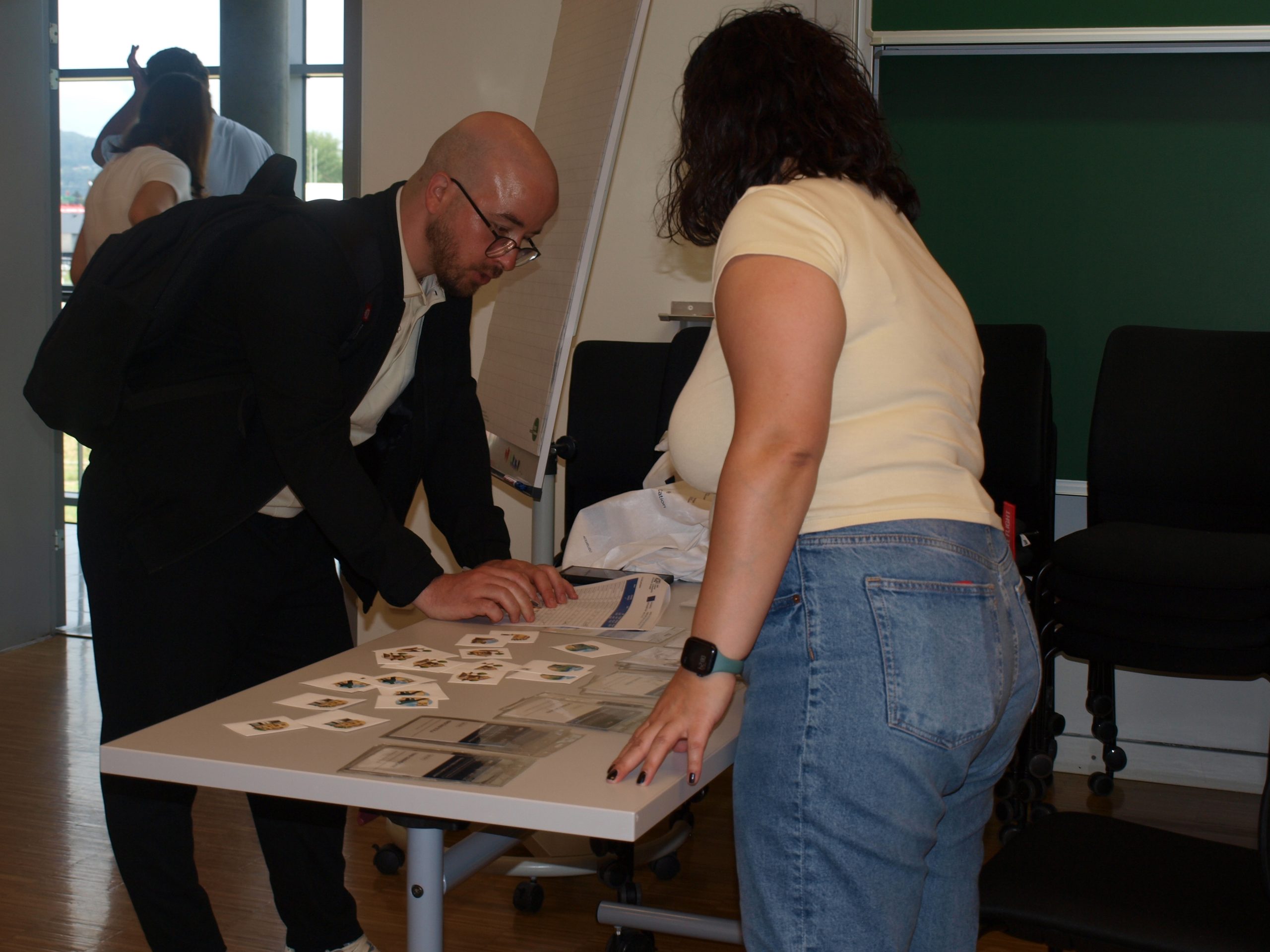
After a networking lunch, participants toured the IADL Primoschgasse Lab, where they explored Ethiccards—a tool designed to prompt ethical reflections in research. The lab tour wasn’t just theoretical: facilitators shared real-world examples of CUAS projects where participatory methods had been successfully applied, such as co-creating assistive technologies with end-users and developing community-based health interventions with local stakeholders. These case studies illustrated how ethical considerations, regulatory compliance, and stakeholder engagement aren’t hurdles but foundations for trustworthy, impactful research. The discussions sparked vibrant exchanges on how to integrate ethics into every stage of a study, from design to dissemination, while adhering to institutional and legal frameworks.
The day concluded with the formation of group work teams and the introduction of research topics focused on real-world challenges. Participants left buzzing with ideas, ready to apply their newfound knowledge.
Day 3: Ethics and Study Structure Take Center Stage
Day 3 opened with an in-depth theoretical exploration of ethical principles and their role in participatory research and innovation processes. Led by Daniela Krainer, the session challenged participants to think critically about power dynamics, informed consent, data protection regulations, and the responsibilities of researchers in co-creative processes. The discussion extended beyond theory to practical compliance: How do researchers balance GDPR requirements, institutional ethics boards, and participatory principles without compromising on inclusivity? The morning’s group work session saw teams delving into good practice research methods, study structures, and ethical considerations for their projects, using CUAS’s own participatory frameworks as templates.
“Ethics isn’t a checkbox—it’s the foundation of trust and credibility in research. And in participatory work, that foundation has to be co-built with your stakeholders. Today, we’re not just talking about ethics; we’re practicing them, just like CUAS has done in projects across healthcare and digital inclusion.” – Daniela Krainer
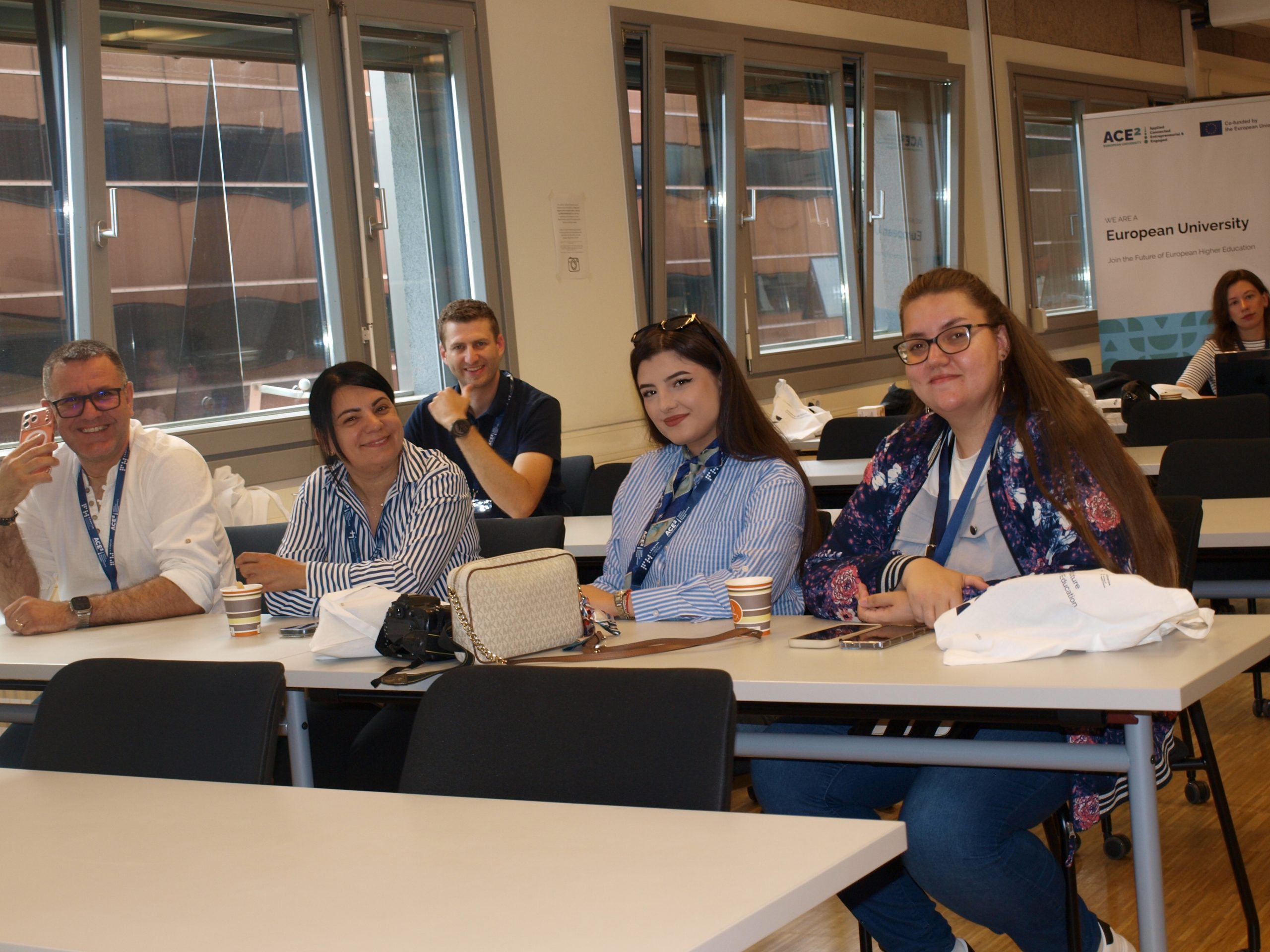
The afternoon was dedicated to refining research aims, outcomes, and target groups, with teams presenting their progress and receiving peer feedback. The collaborative spirit was palpable as young research students from ACE2-EU partners shared diverse perspectives and expertise.
Looking Ahead to the Final Day
The final day of the workshop will feature pitch presentations, peer discussions, and a closing reflection session. Participants will showcase their co-created research proposals, demonstrating how participatory methods, ethical frameworks, and interdisciplinary collaboration can drive innovation and impact.
Stay tuned for the final highlights and outcomes—this is ACE-SCHOLAR in action!