The first edition of the programme brought academic staff from the Alliance’s partner universities together for four days in Madrid to master active-learning methods they will go on to apply in their own courses — to the benefit of students across Europe.
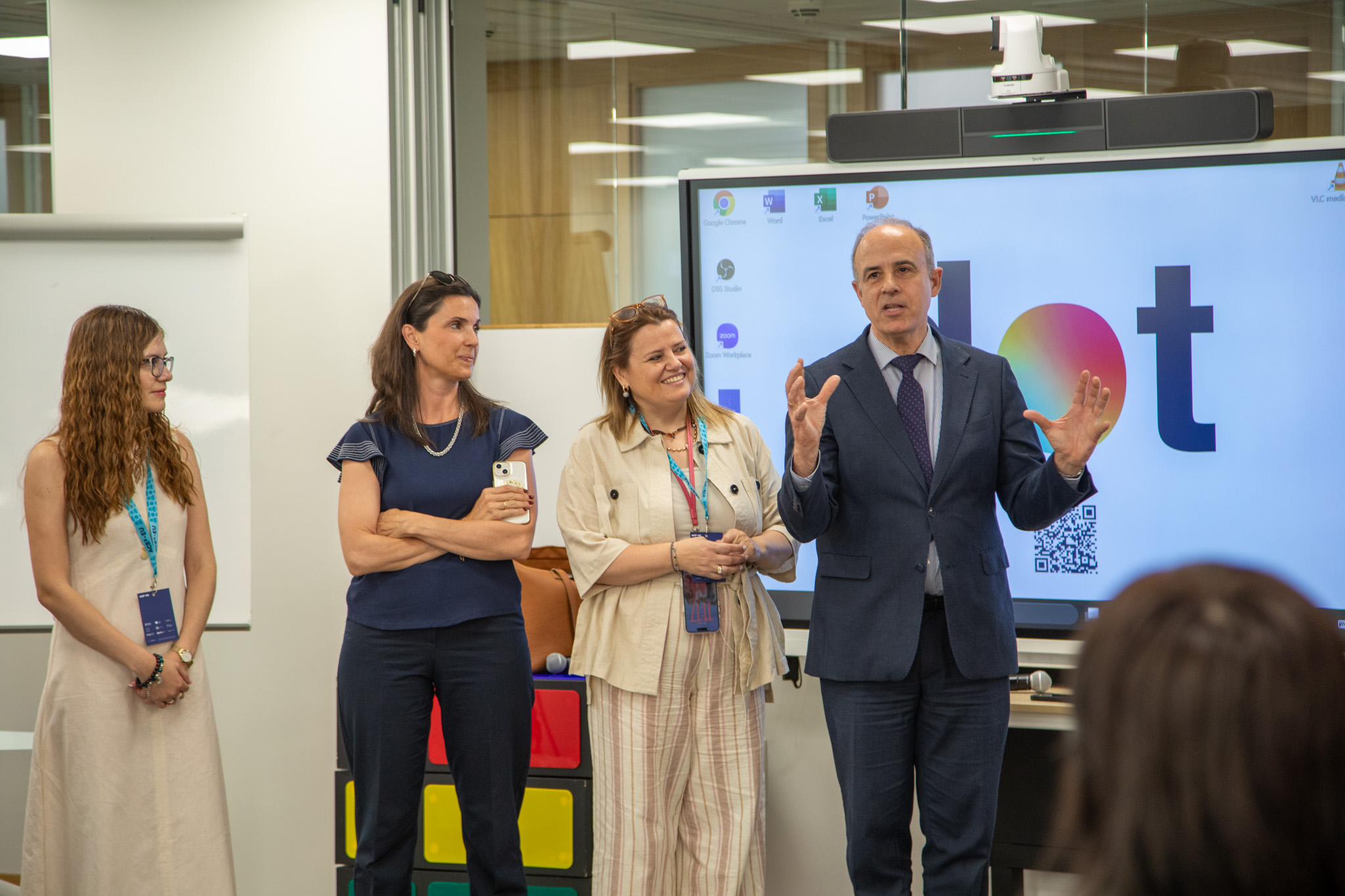
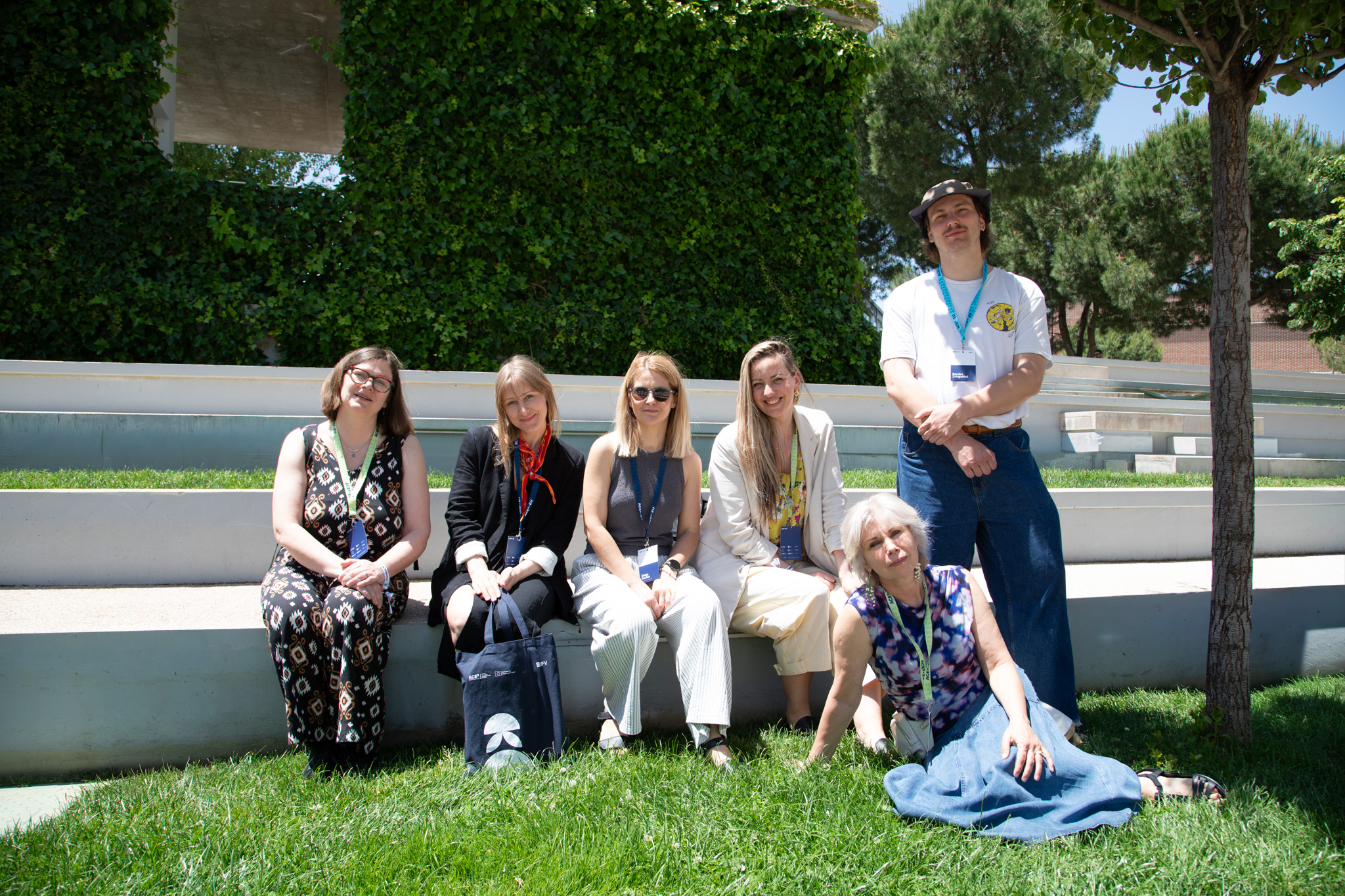
Madrid — From 26 to 29 May 2026, the Universidad Francisco de Vitoria (UFV) hosted the first edition of ALPS, the Active Learning Pedagogy School of the ACE²-EU European University Alliance, made up of nine partner universities from across Europe. Conceived as a kick-off for what will become a recurring school, the four-day programme brought together 40 teachers from every academic field — from the experimental sciences to the arts, by way of entrepreneurship.
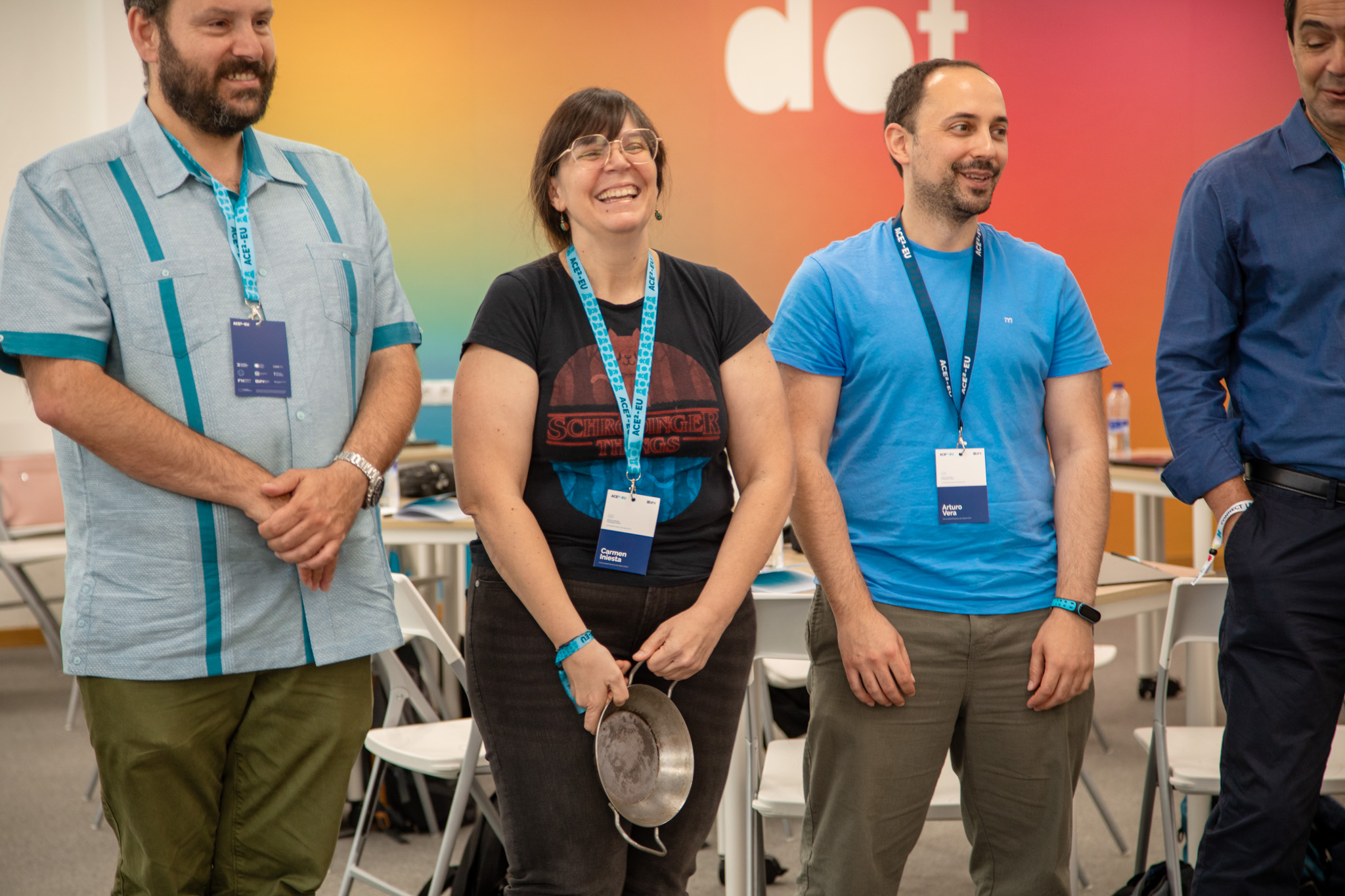
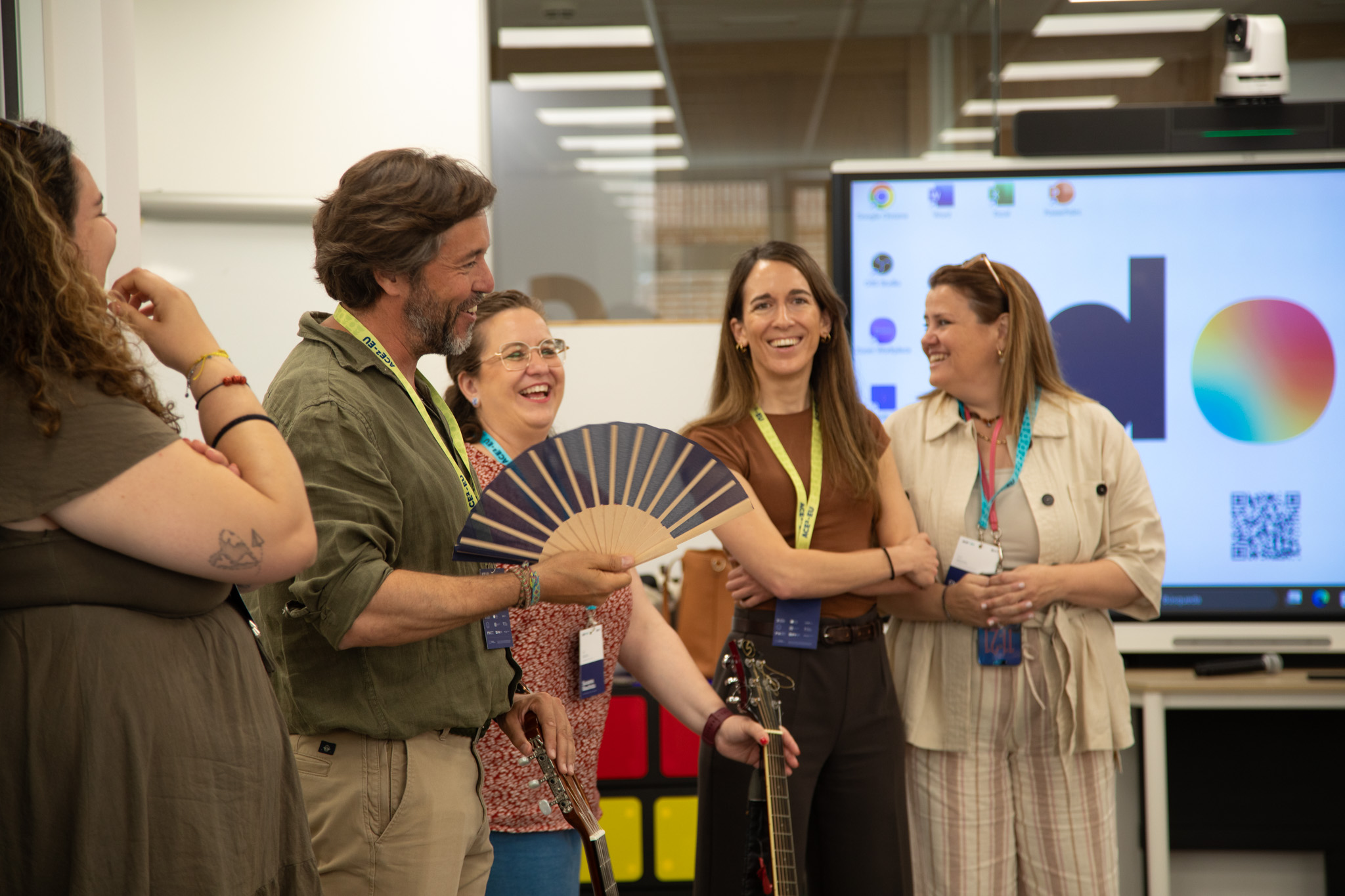
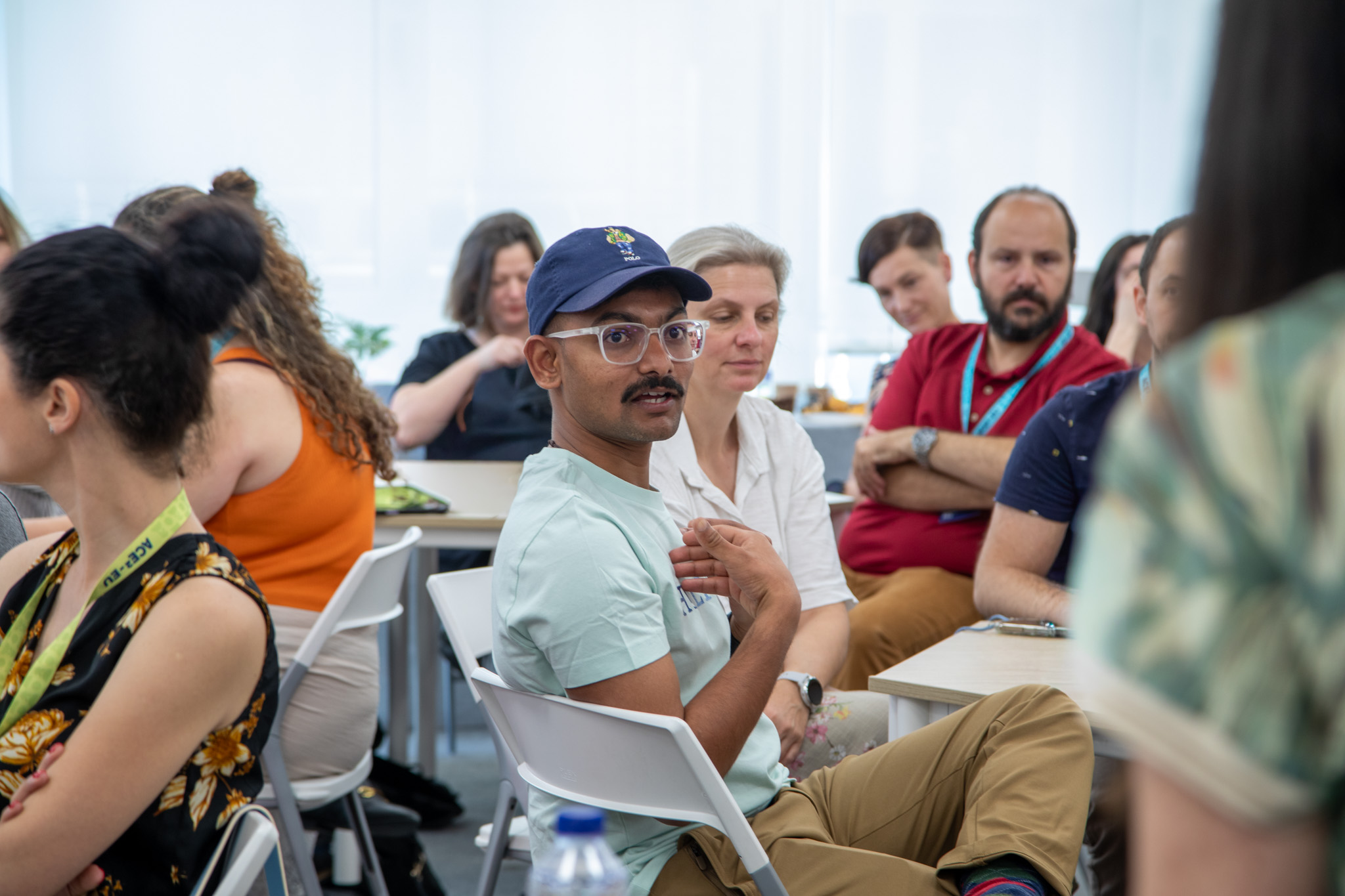
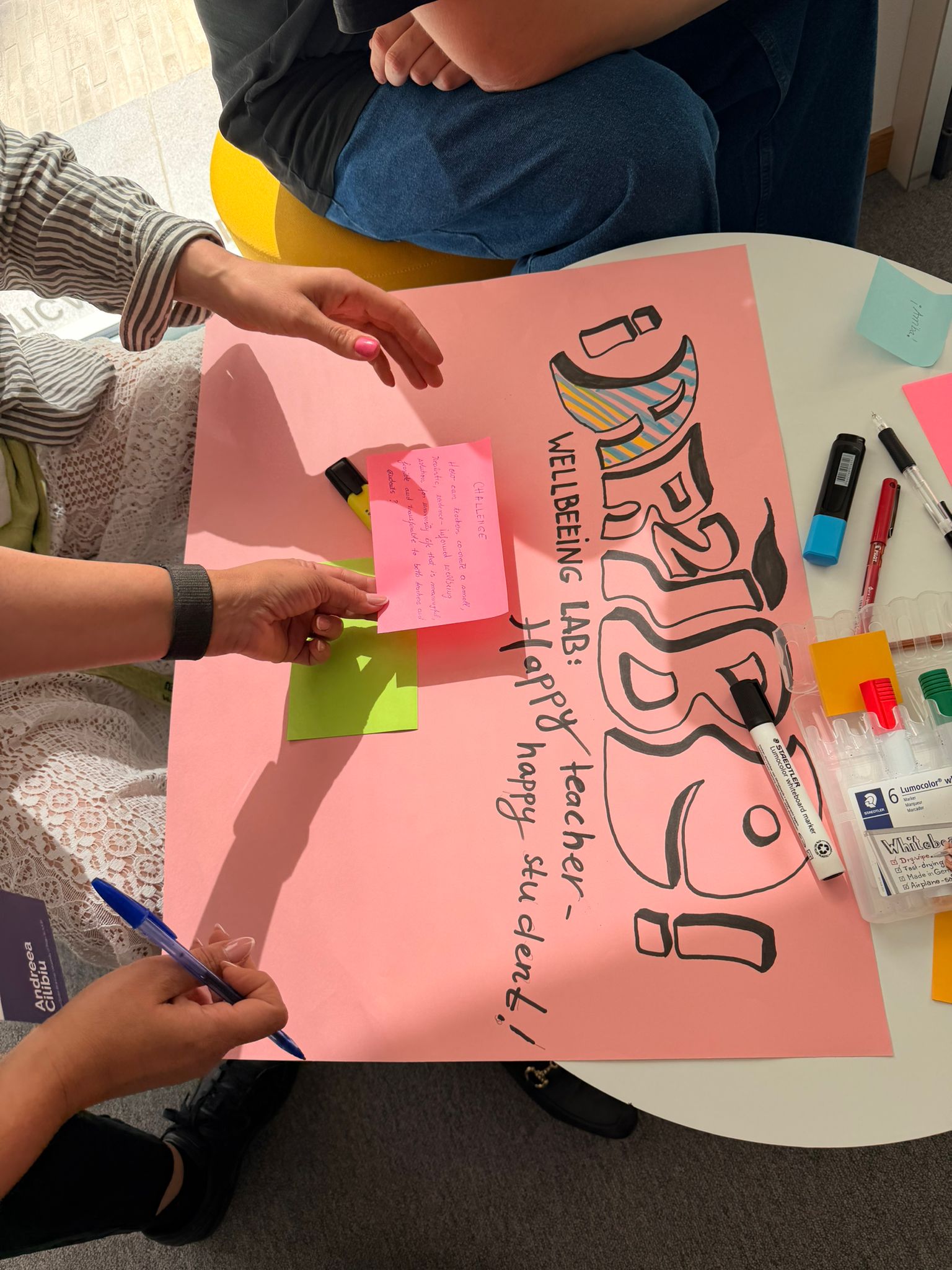
Over four intensive days, participants worked side by side to learn and practise the methodology behind Micro Learning Opportunities (MLOs) — short, focused, experiential courses. The aim was for participants to experience and master a general set of active-learning approaches that each of them could later take home and apply to their own courses. Following a consistent theory-into-practice pattern, every input on diversity and interculturality, experiential learning, assessment or the ACE teacher persona was immediately followed by a hands-on space in which participants tried out the methodology together.
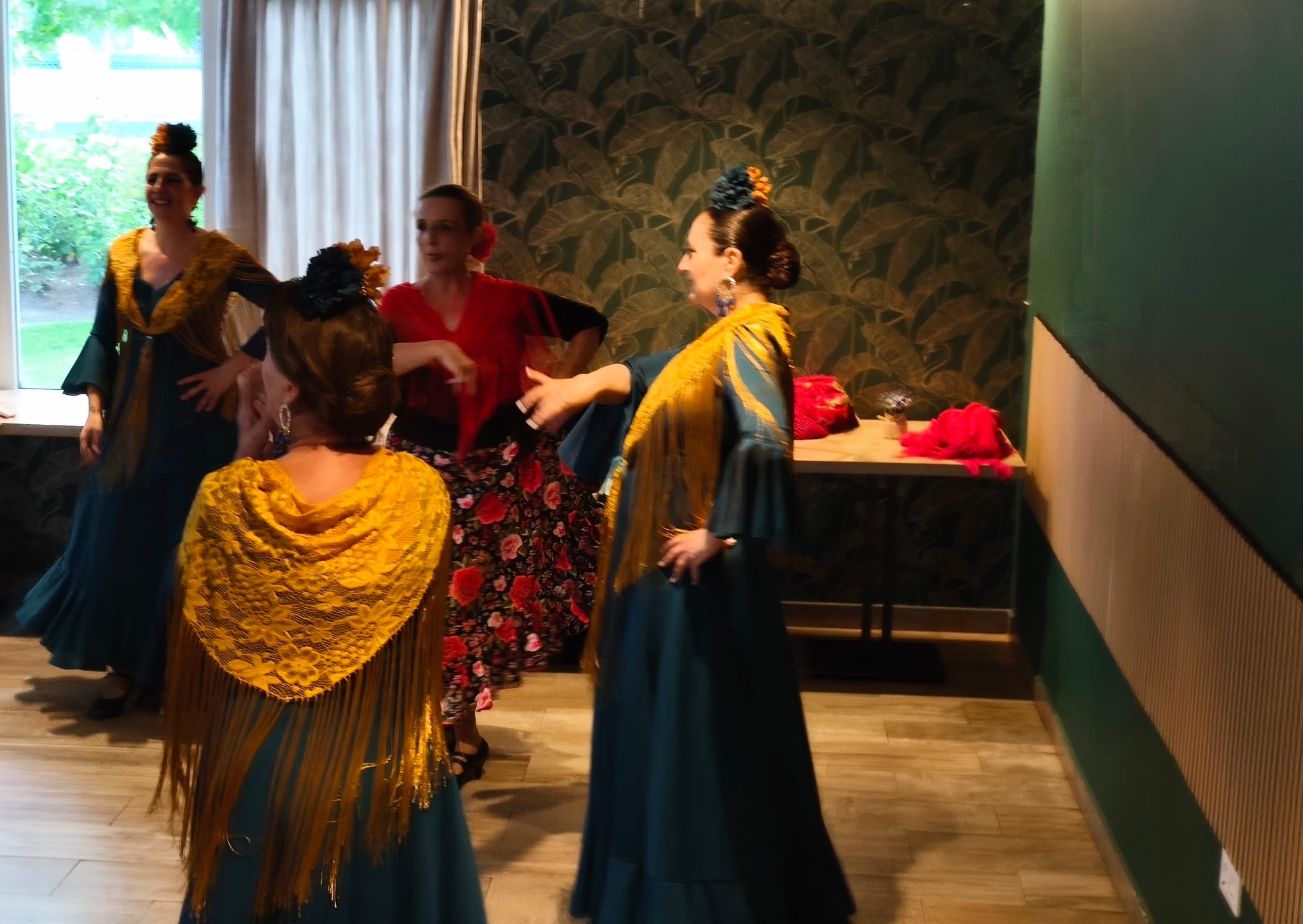
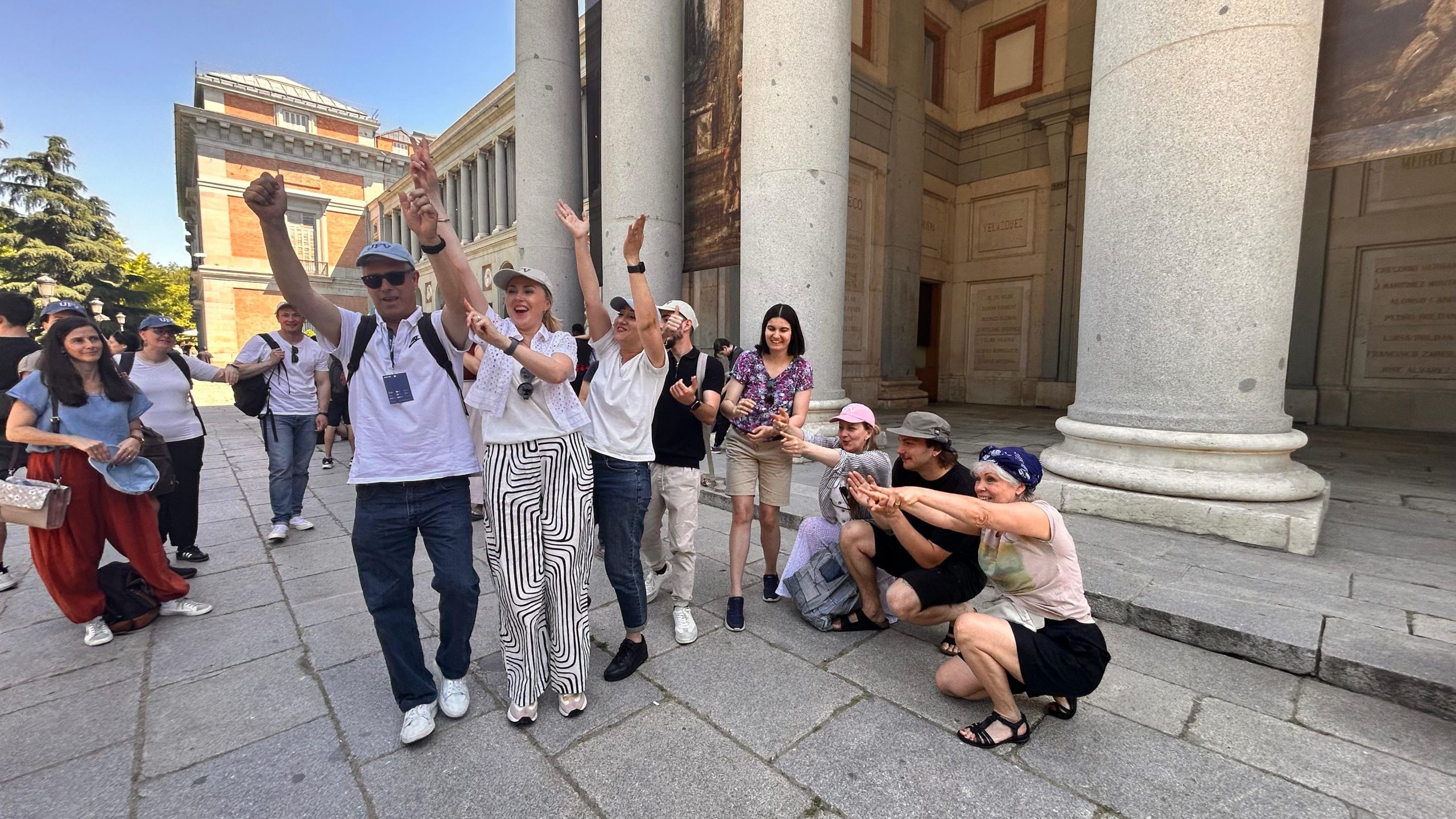
The city itself became part of the classroom. Beyond the working sessions at the UFV campus, participants explored central Madrid on a city gymkhana and spent an afternoon at the Prado Museum, approaching art through a pedagogical lens as a shared intercultural and reflective moment. An intercultural night brought the cohort together off campus to build the trust and the relationships that underpin genuine co-creation.
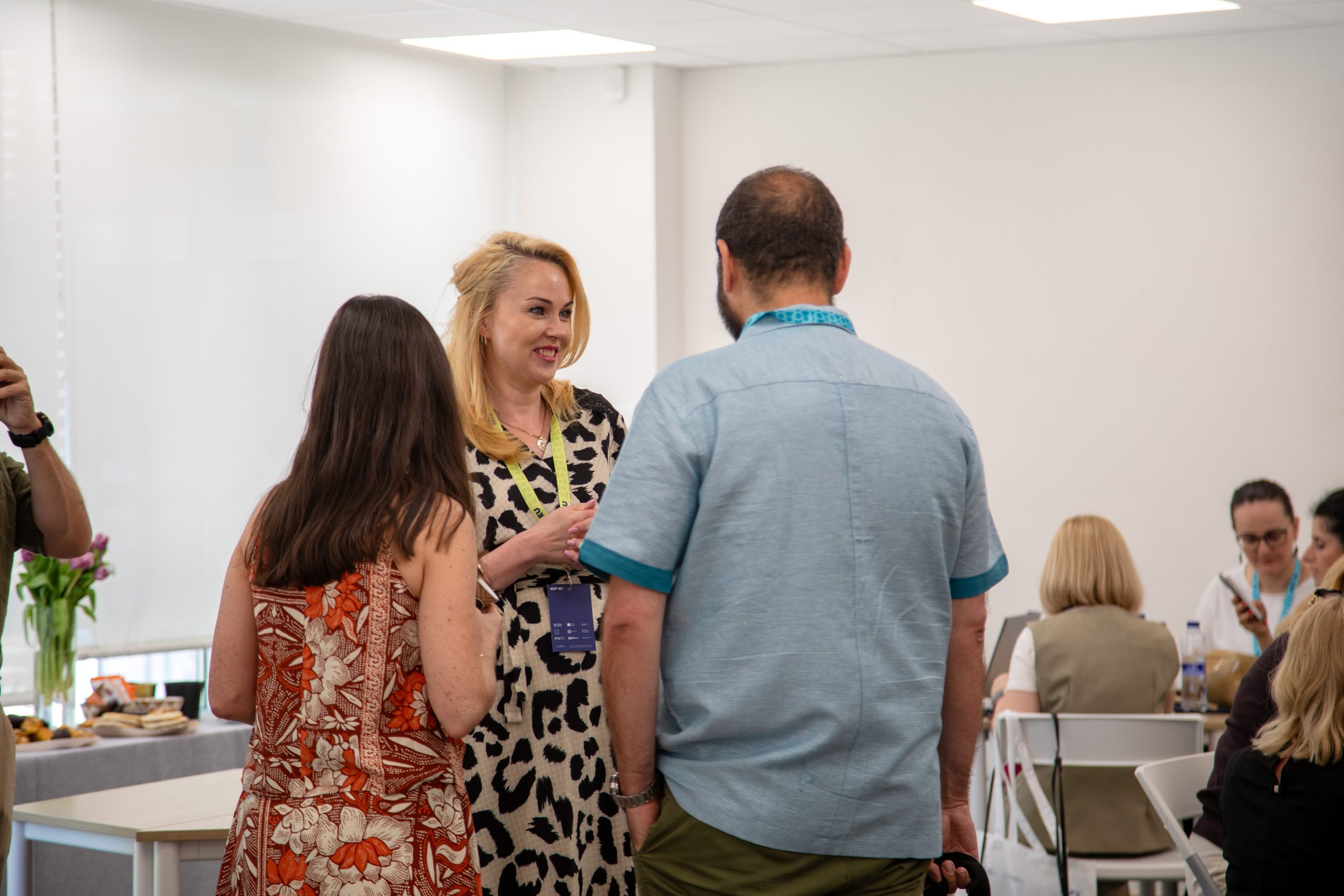
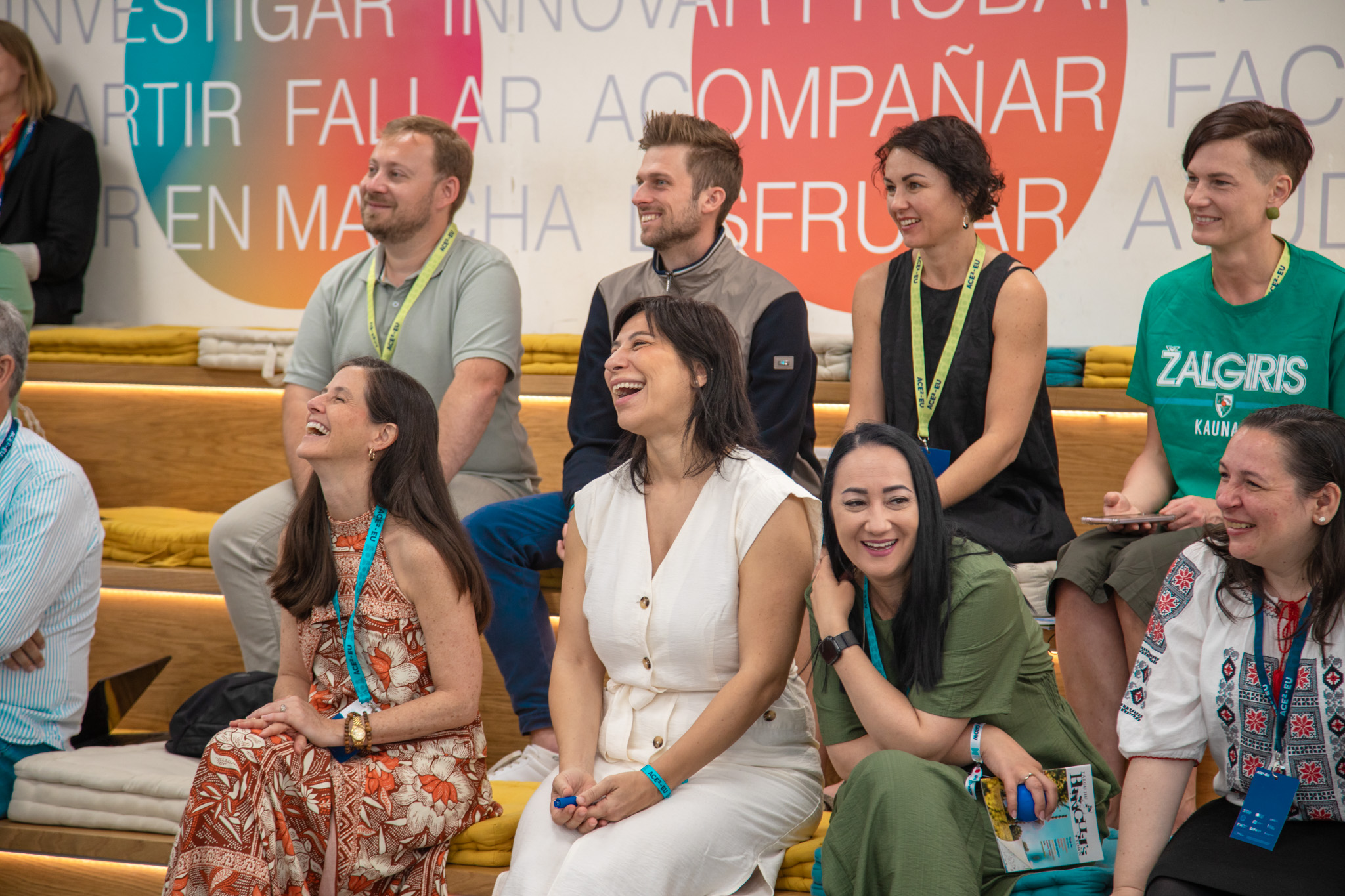
For many, the biggest surprise was the atmosphere. “I had a bit of prejudice before coming,” admitted Mykolė Lukošienė, of Lietuvos inžinerijos kolegija HEI (Lithuania). “I was very surprised because it was really inclusive: you could find a place as a person, with your personality, in the team. You have a full toolkit of methods you can use in your own discipline.”
That sense of immediate applicability was echoed across disciplines. “I think I can apply the roleplay dynamic we did at the UFV with my entrepreneurship classes, when simulating how to build a startup,” said Mark, of Technische Hochschule Ingolstadt (Germany). “We did it in a playful context, putting ourselves in the shoes of other people. Switching into different roles fits perfectly.”
ALPS forms part of ACE’s pedagogical area, led by Chelo Pérez (UFV). The school is designed not as a one-off but as the starting point of a long-term pedagogical model: over the next four years, the Alliance will offer different kinds of training to students across all of its partner universities. Every one of those students stands to benefit from the active-learning methods these teachers have now mastered and will apply when designing their own short, focused courses — and from the network of ACE ambassadors launched on the final day to sustain the approach at each home institution.
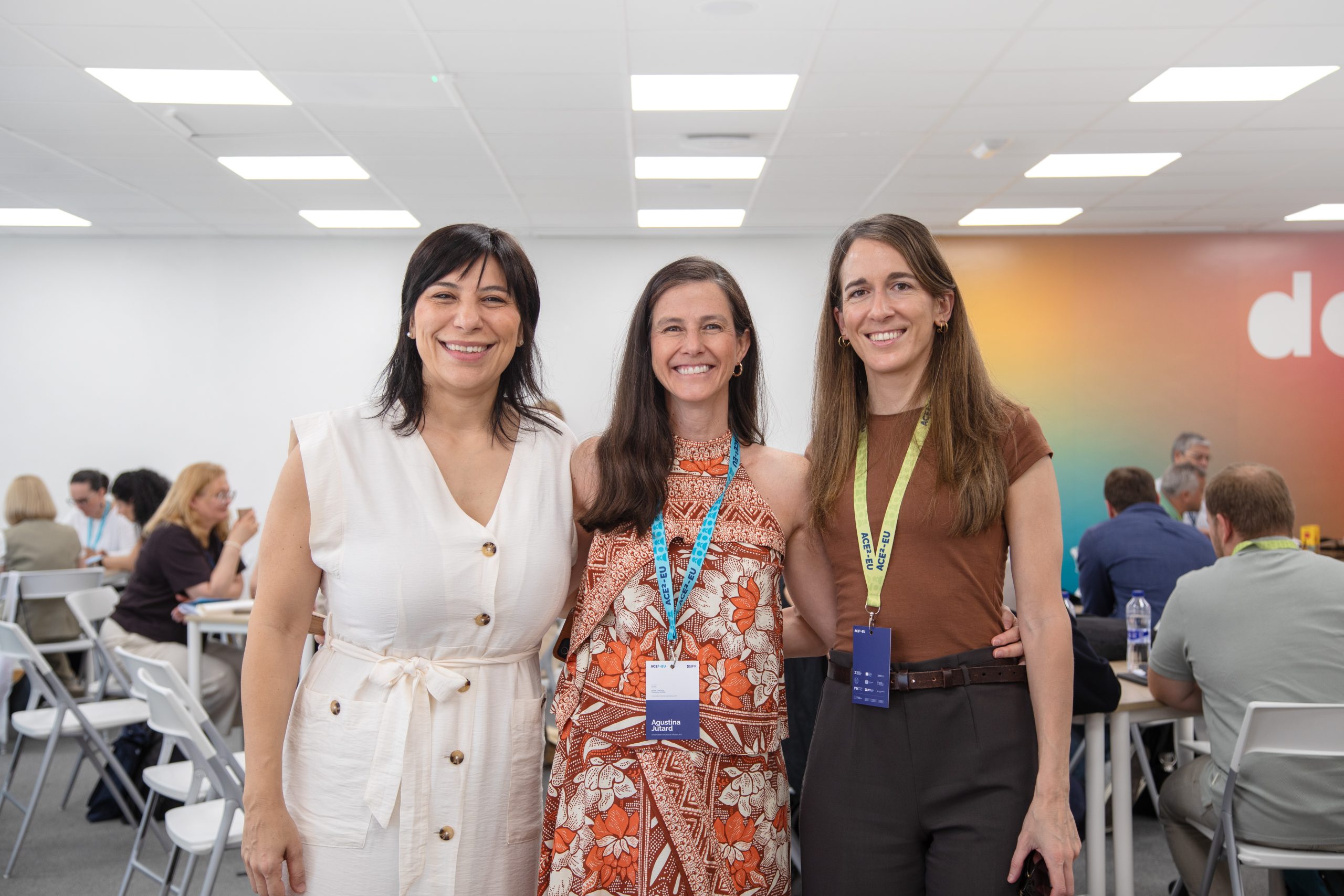
In her closing reflection, Agustina Jutard — one of the teachers who accompanied the programme throughout the four days — drew out the thread running through the week: intentionality. Presence, she reminded participants, does not simply happen — it is chosen; and interculturality is not something spontaneous but a competence developed through openness, curiosity and a readiness to listen. Her parting challenge looked ahead to the journey home: to choose one or two very concrete first steps, and not to take them alone.
The programme was delivered by a teaching team drawn from UFV and the Alliance’s partner universities, who guided the sessions on diversity and interculturality, team-building and co-creation, active methodologies, assessment and the ACE teacher persona.
UFV and the ACE²-EU Alliance thanked all of the partner universities for their presence and their active participation throughout the week. With its first edition behind it, ALPS is only just beginning.