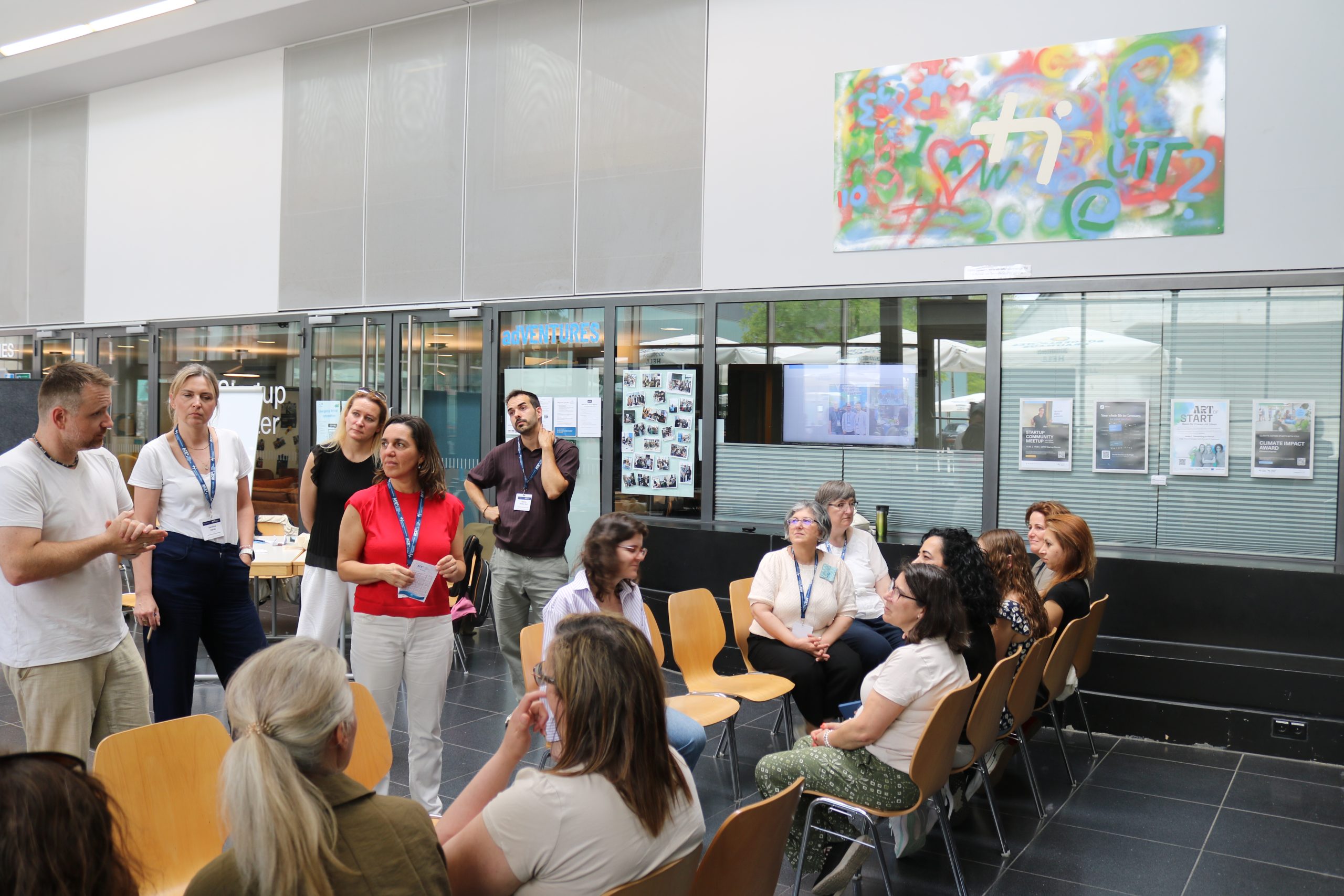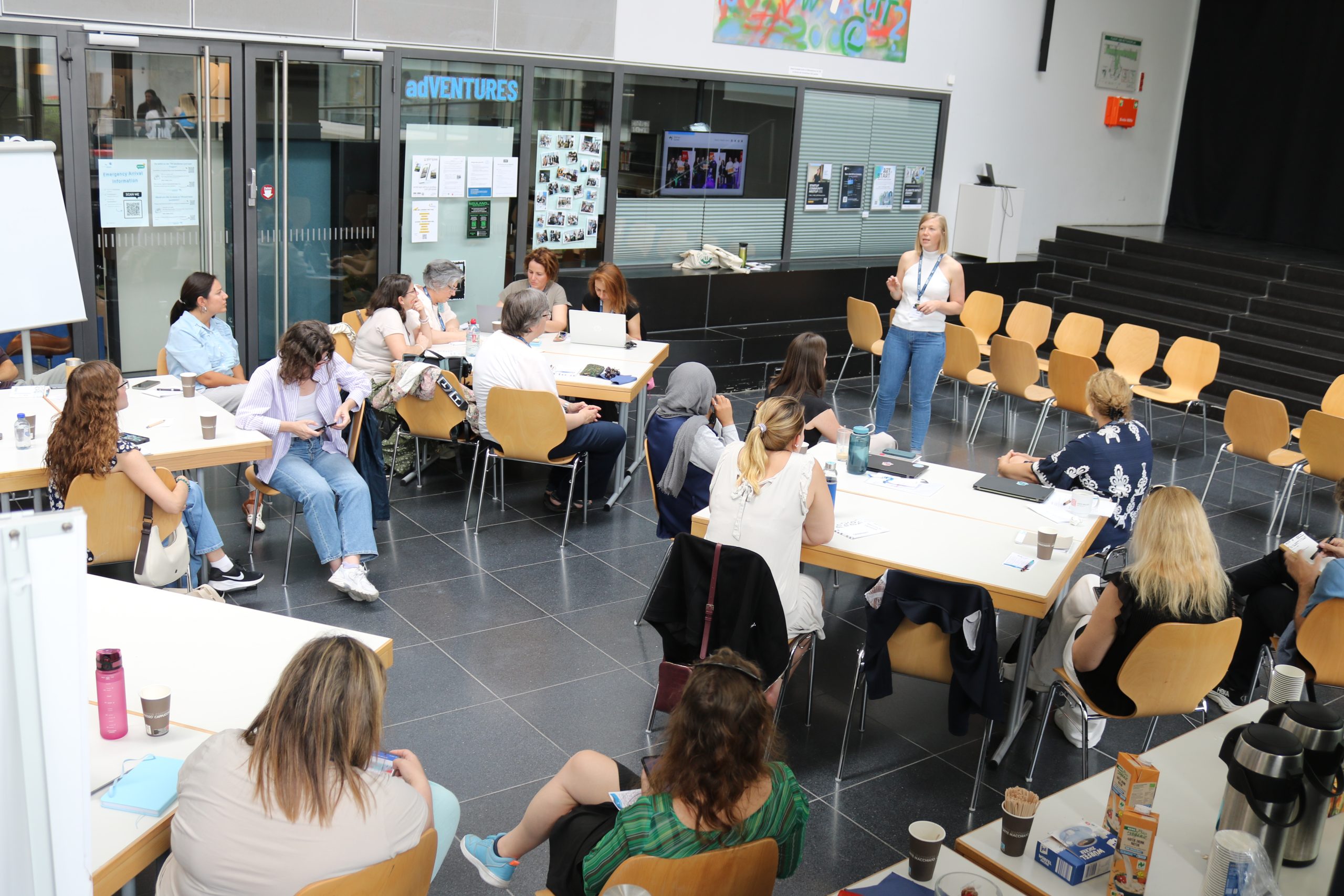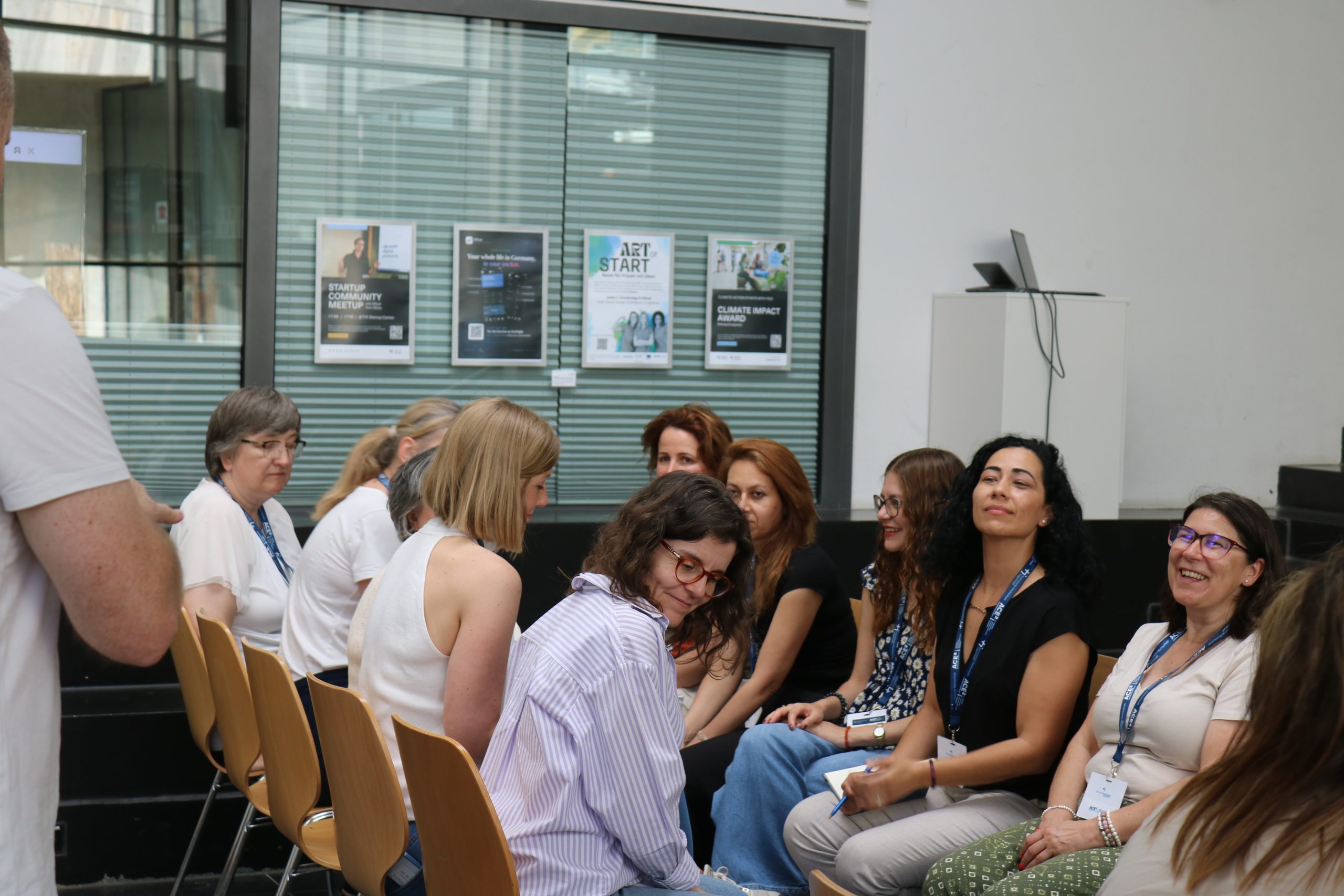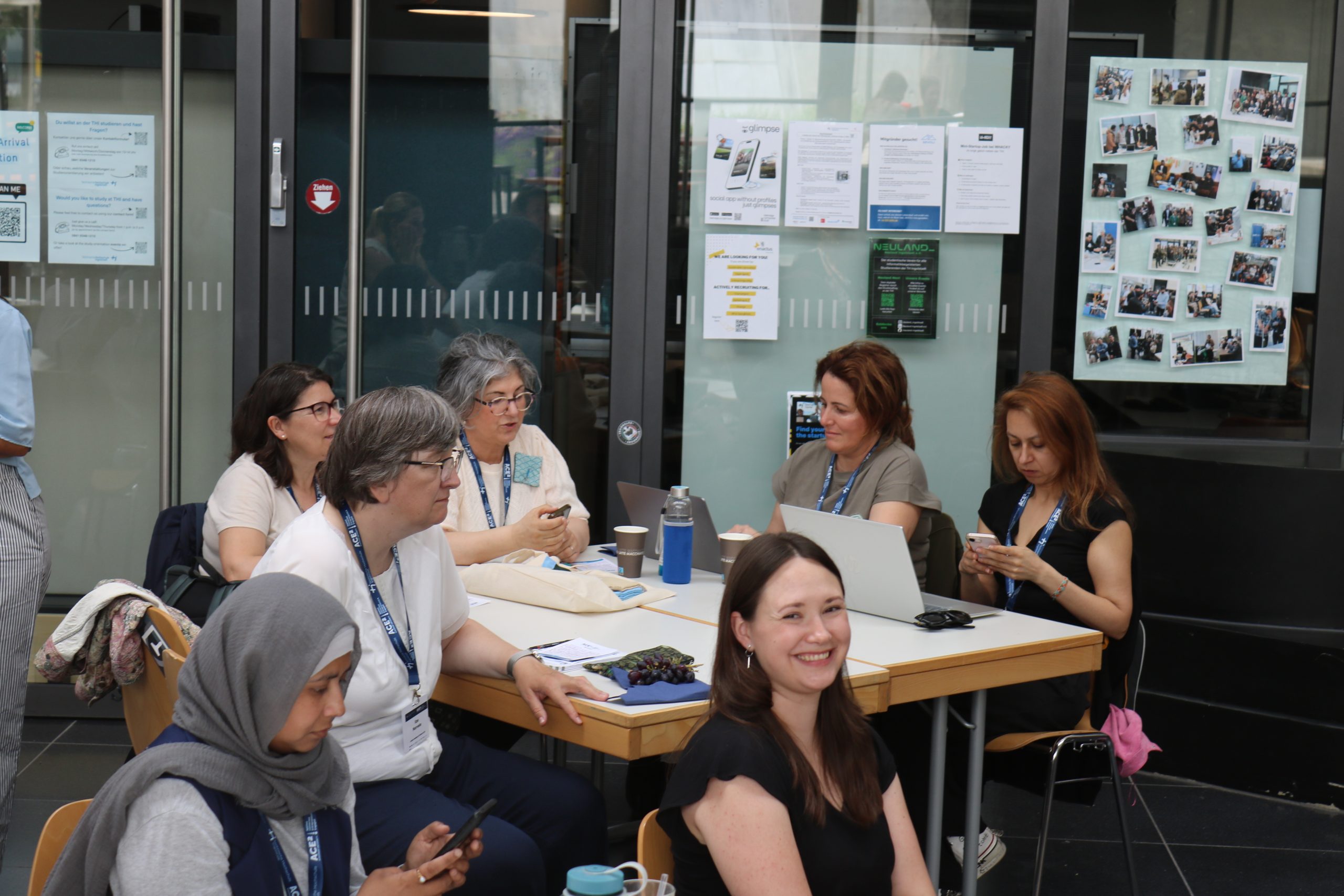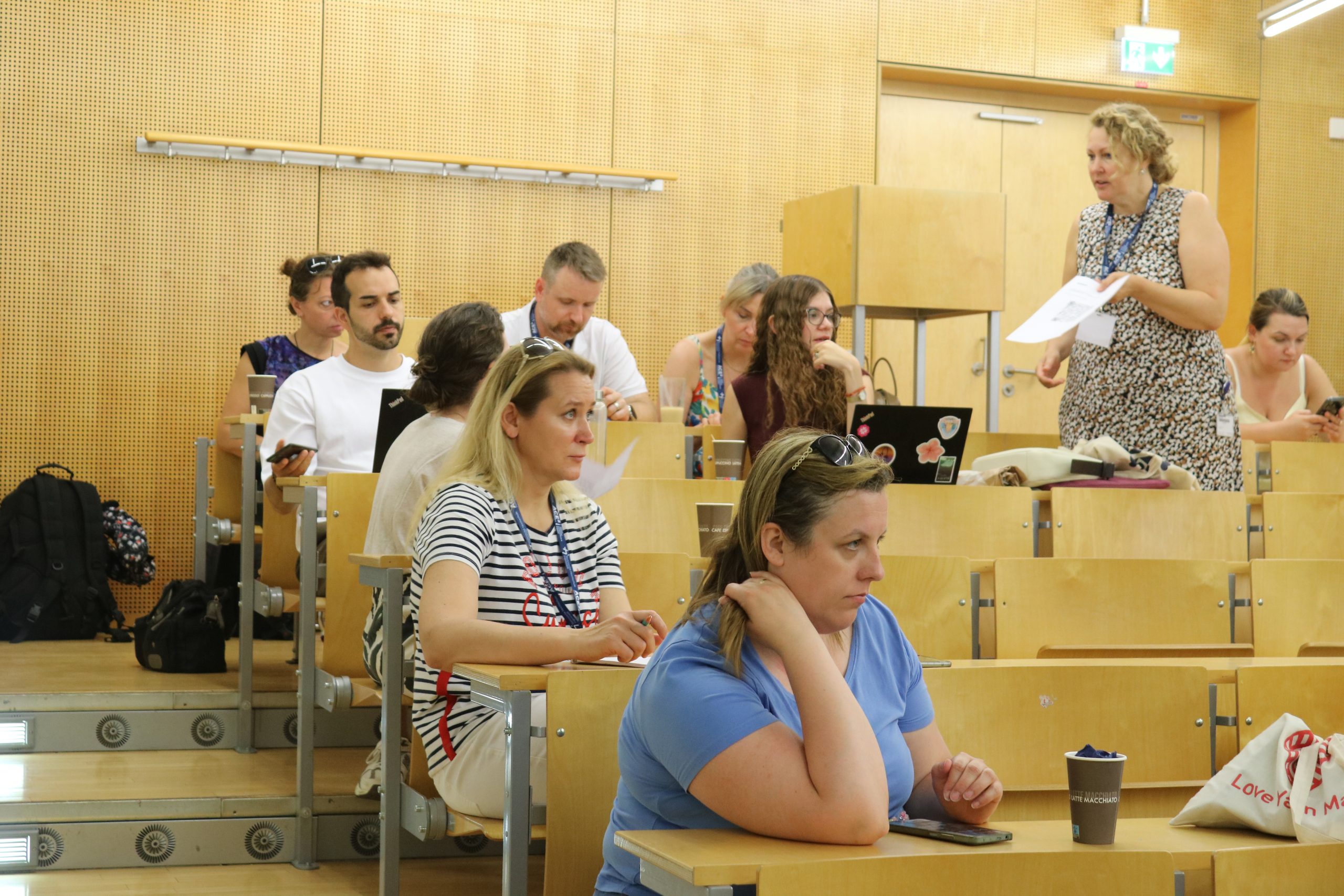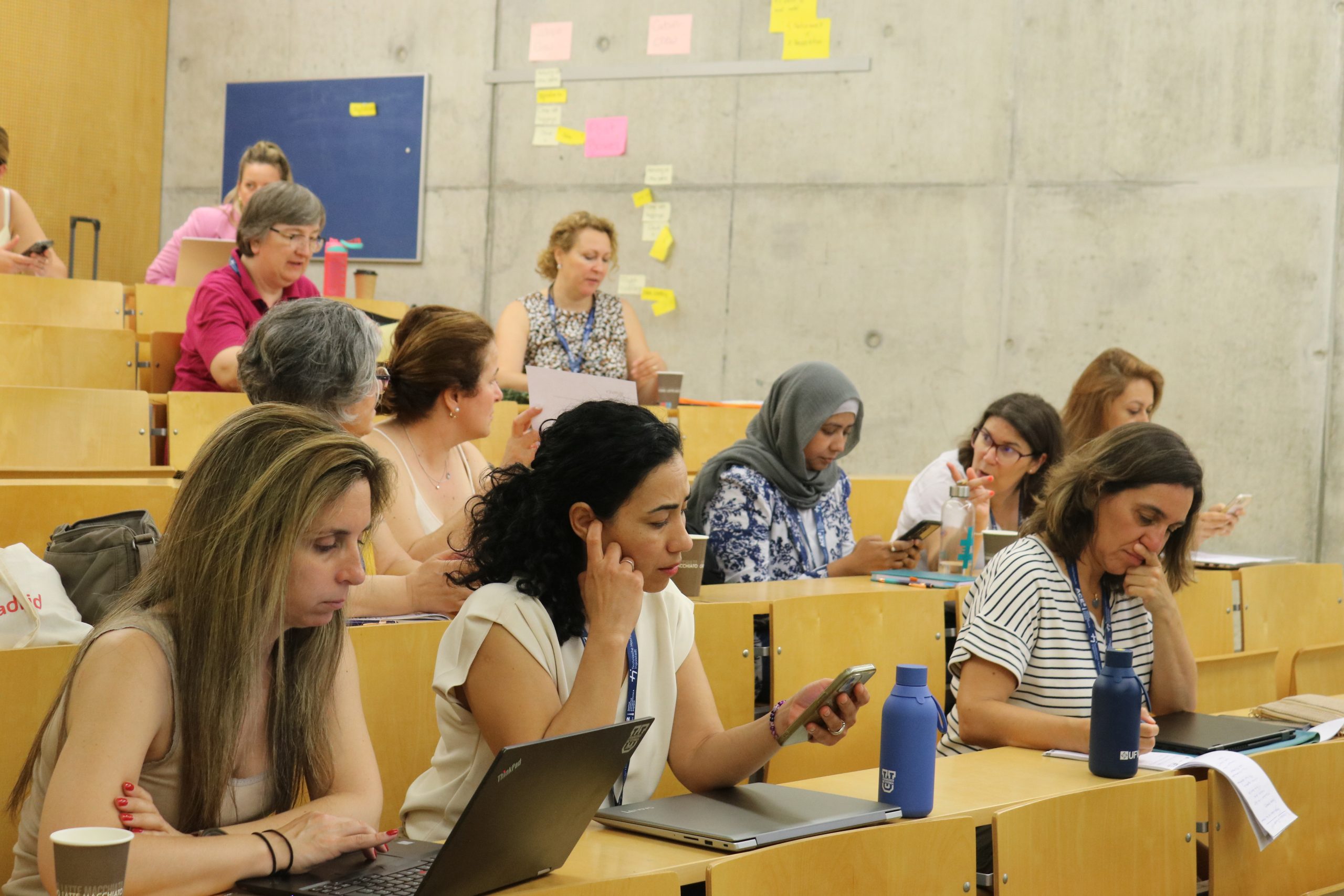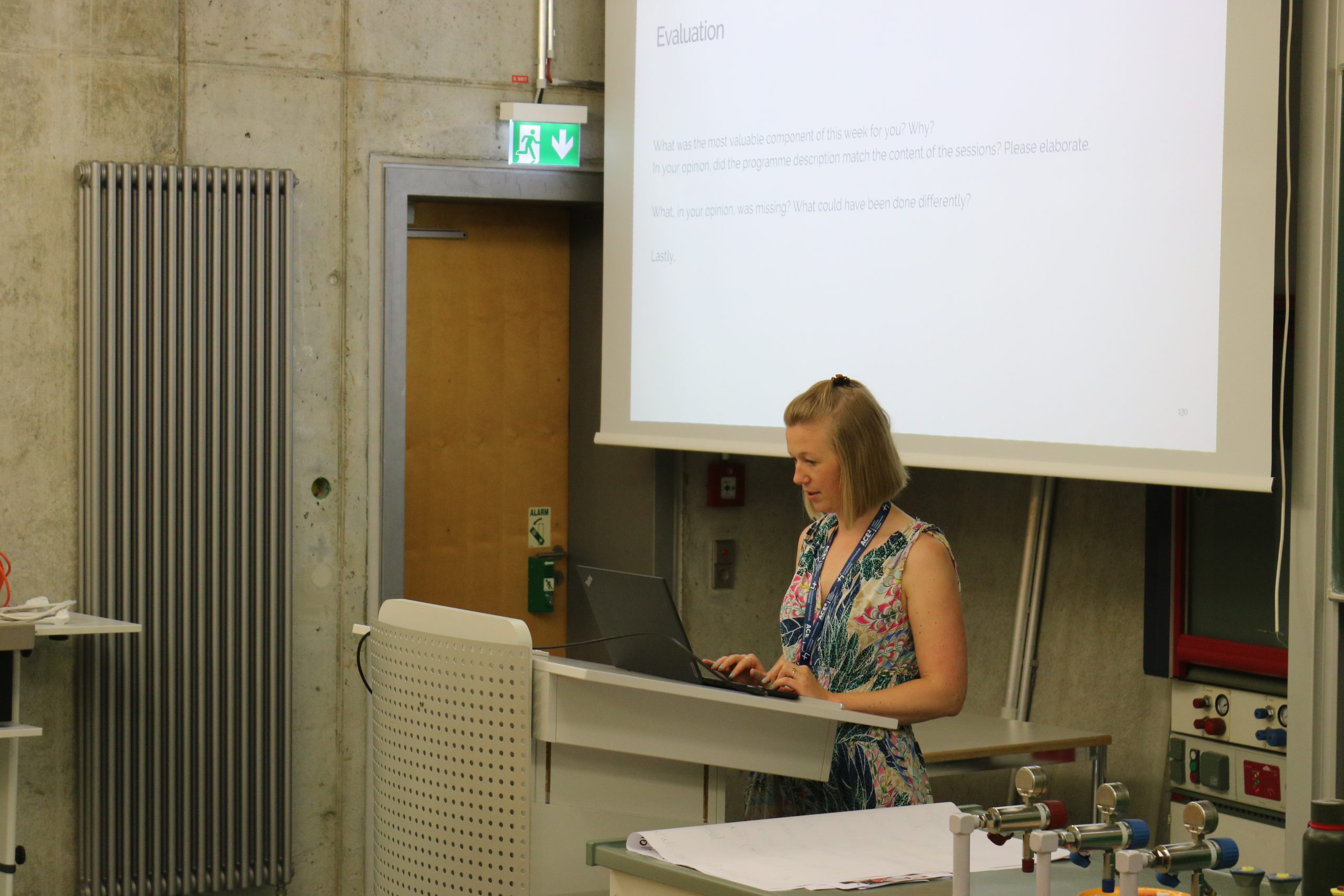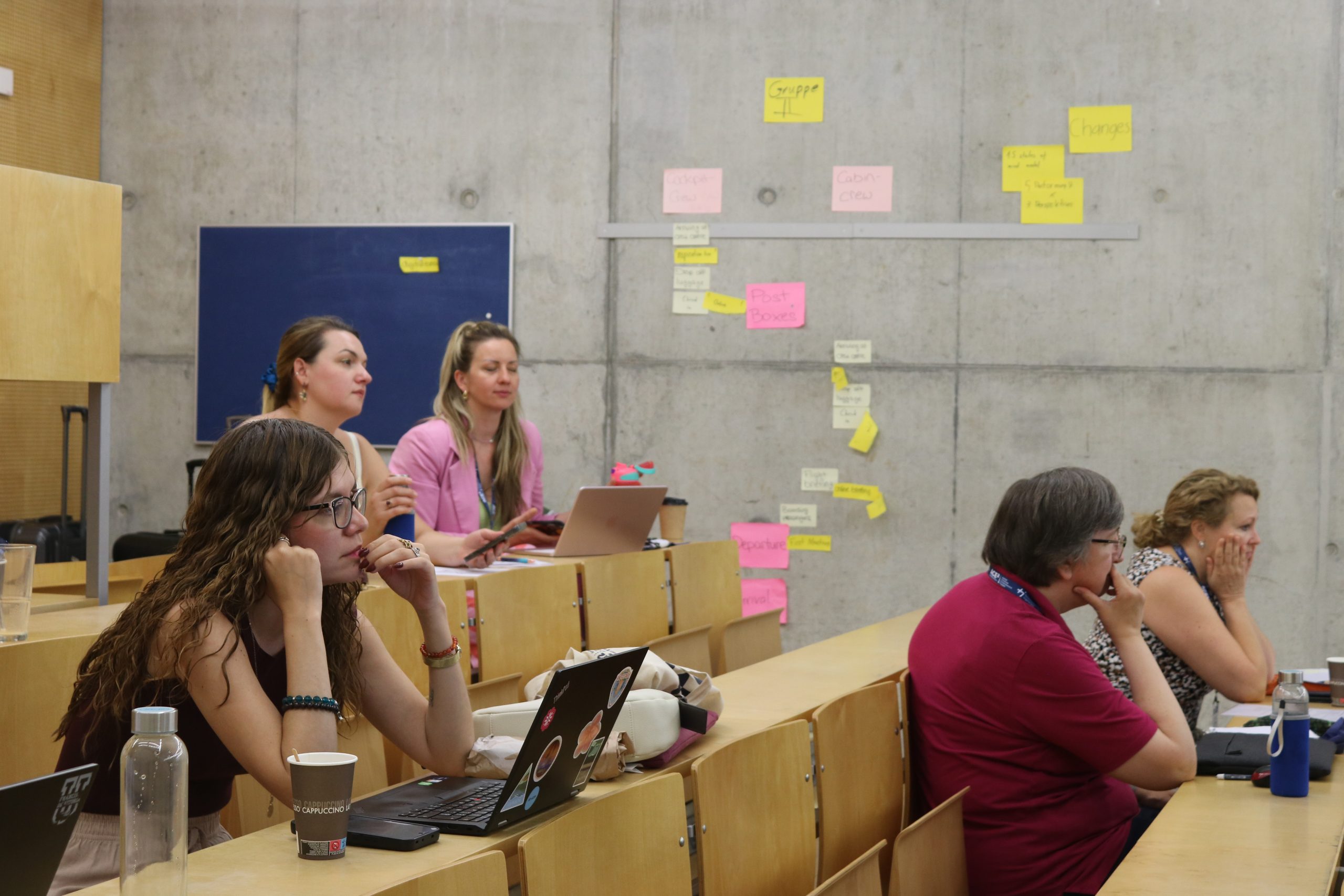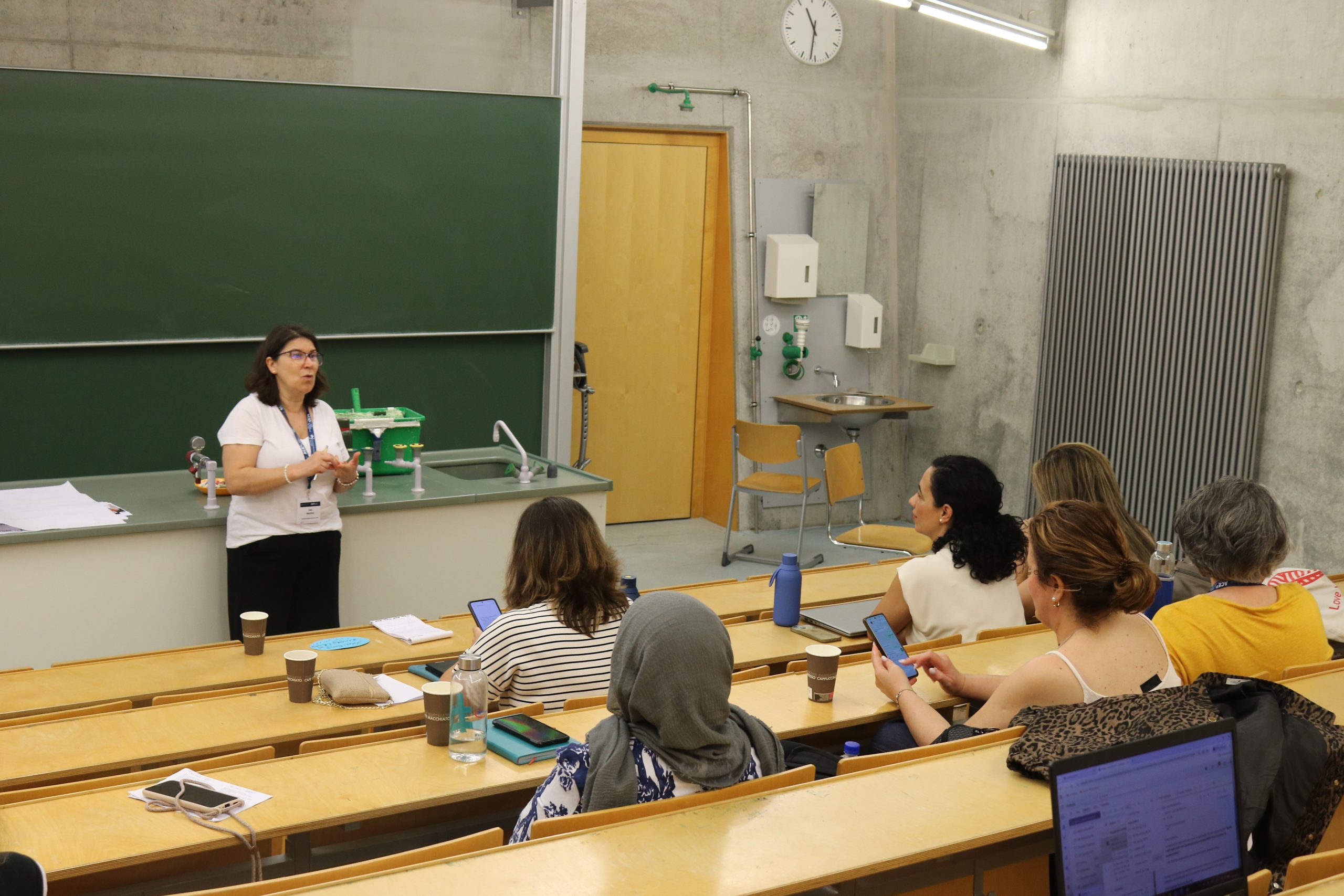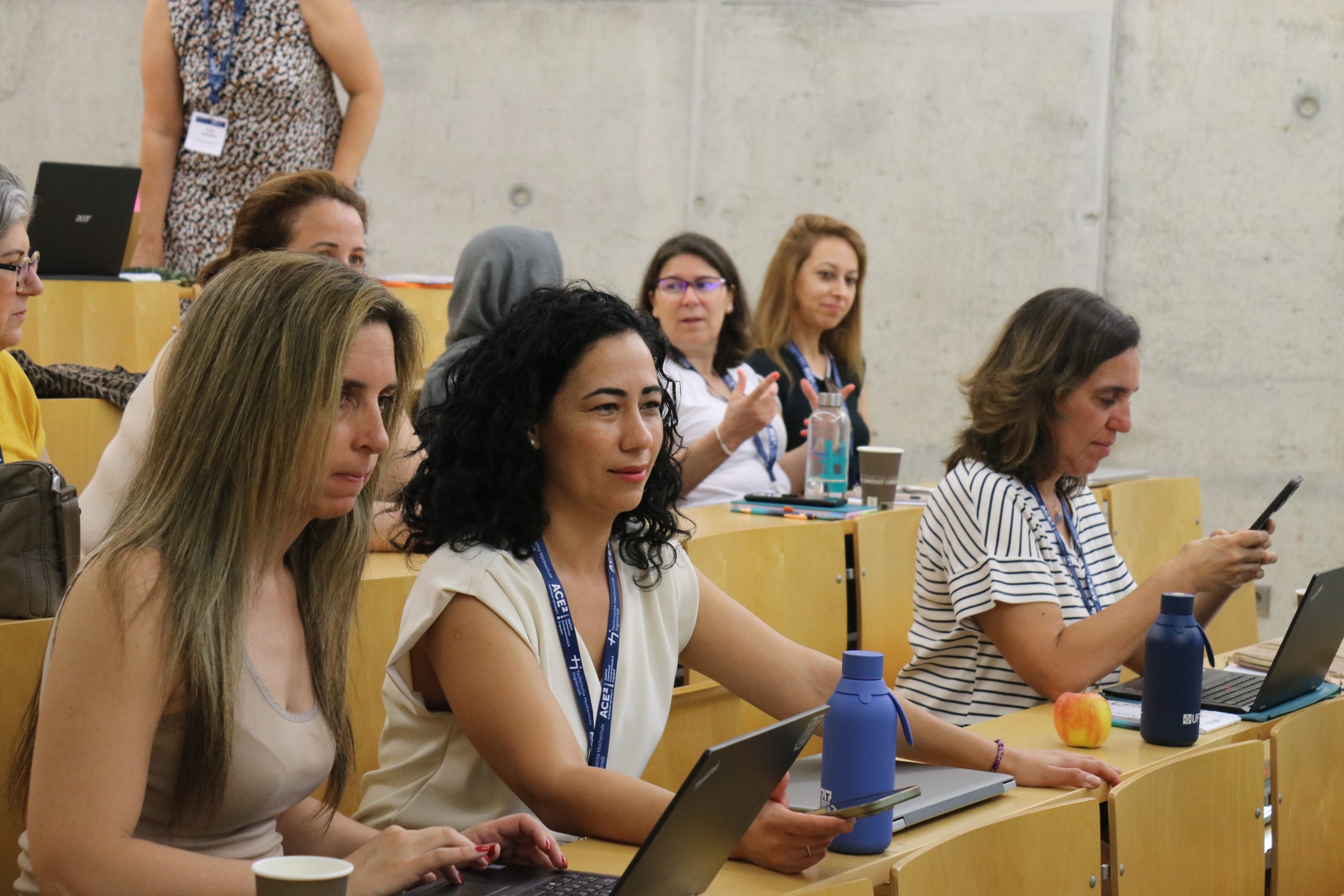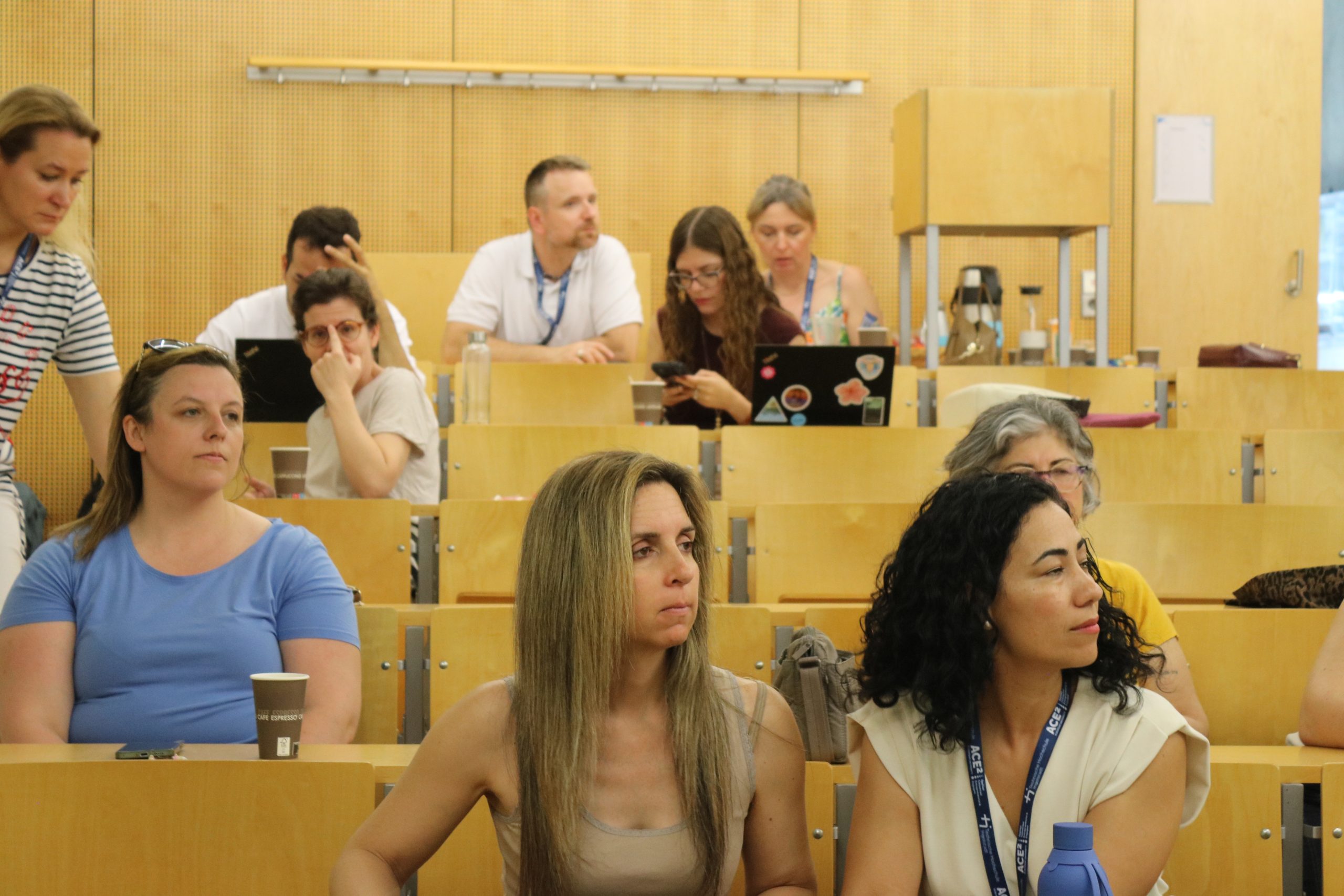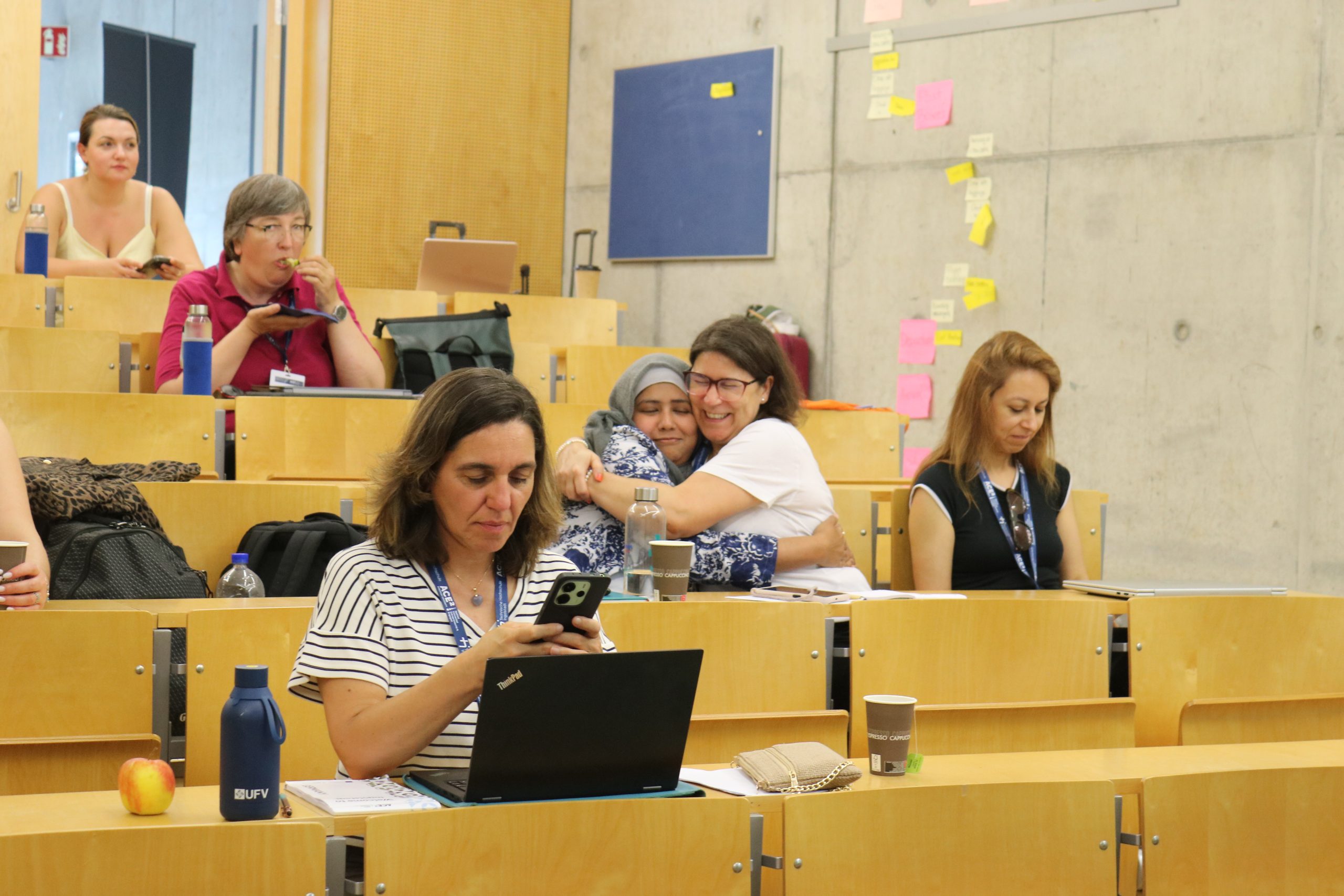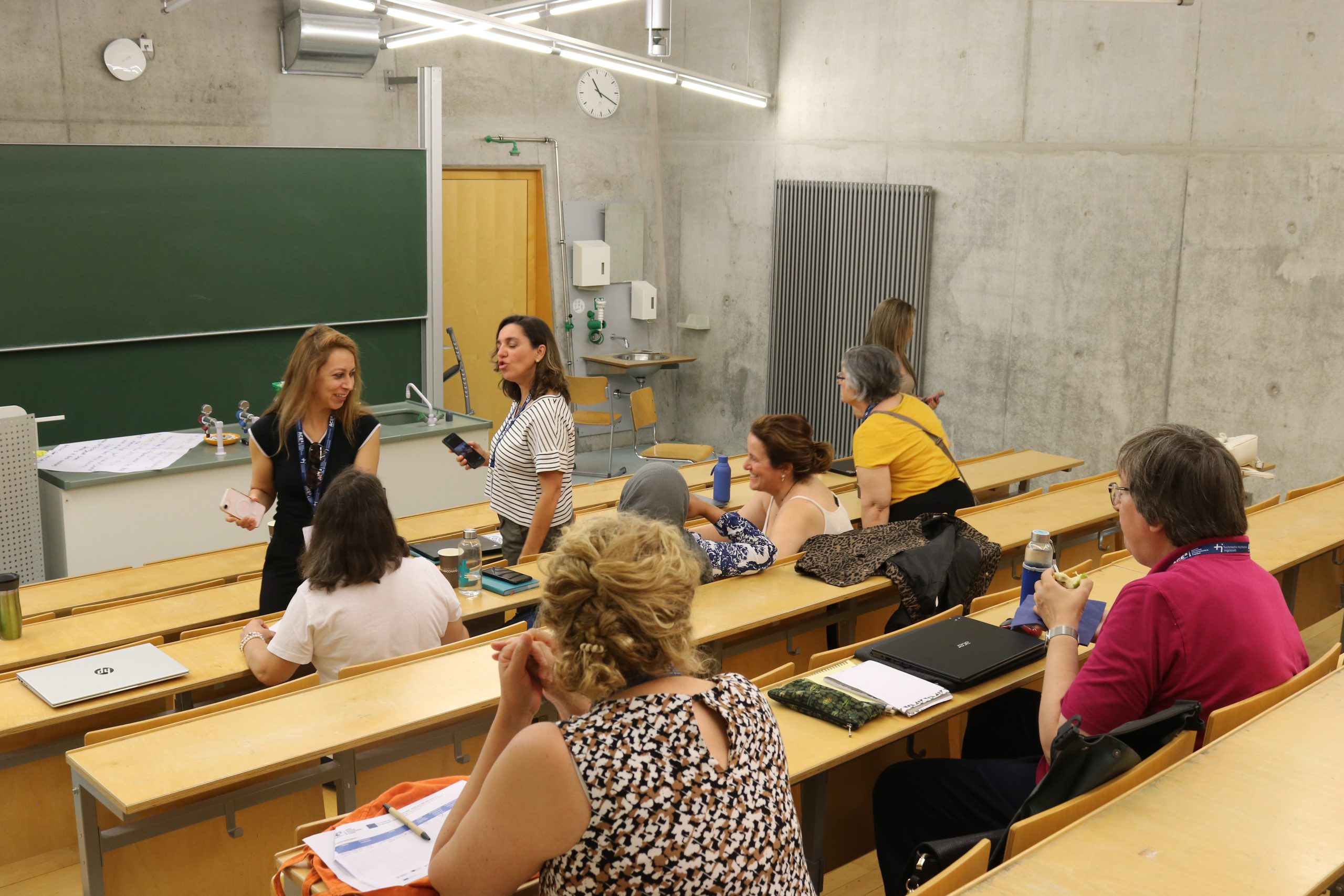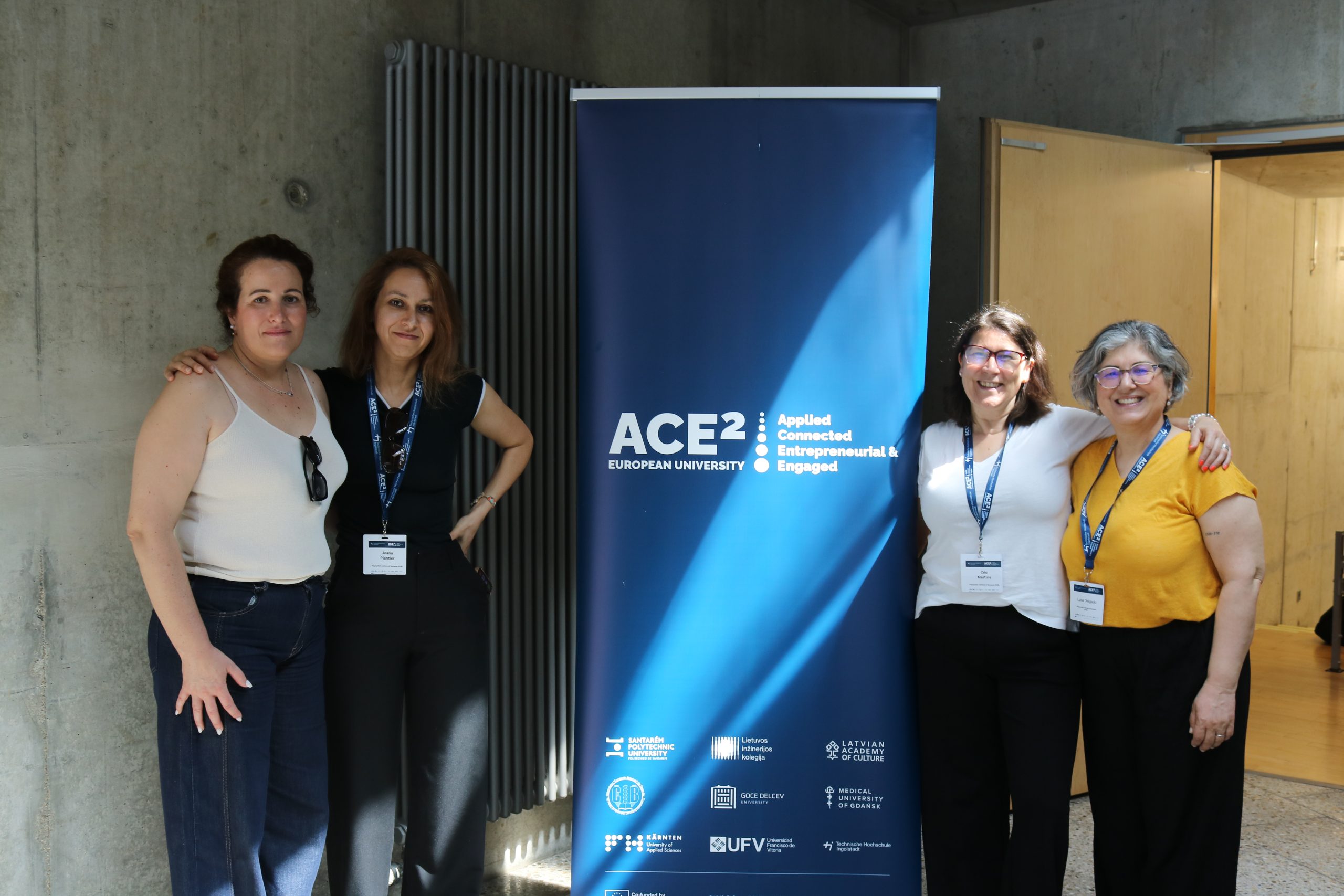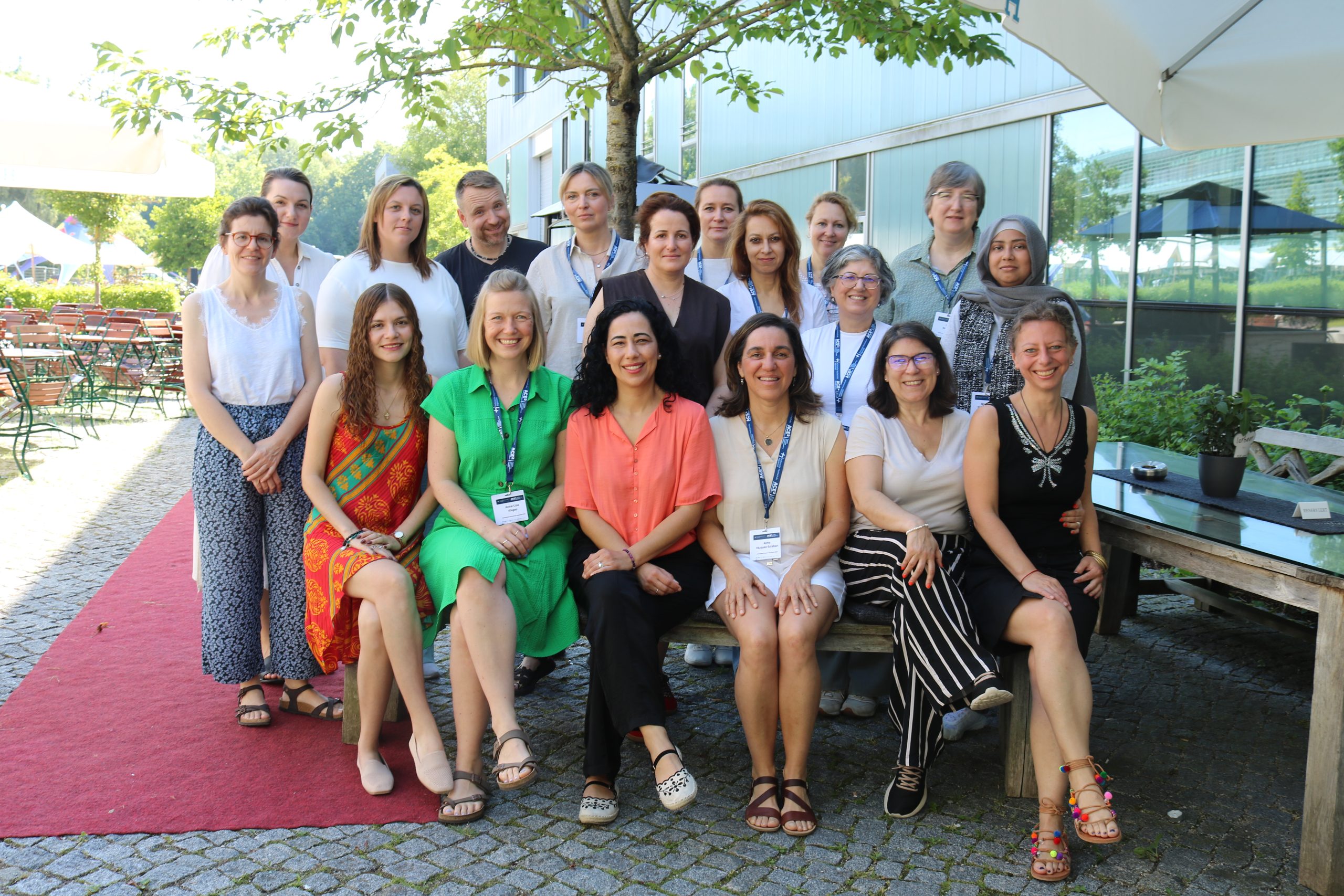
The final days (17 – 19 June) of the ACE²-EU Staff BIP “Build your BIP with ACE²-EU: Developing Successful BIPs from Concept to Implementation” focused on turning ideas into concrete concepts while strengthening collaboration across the Alliance.
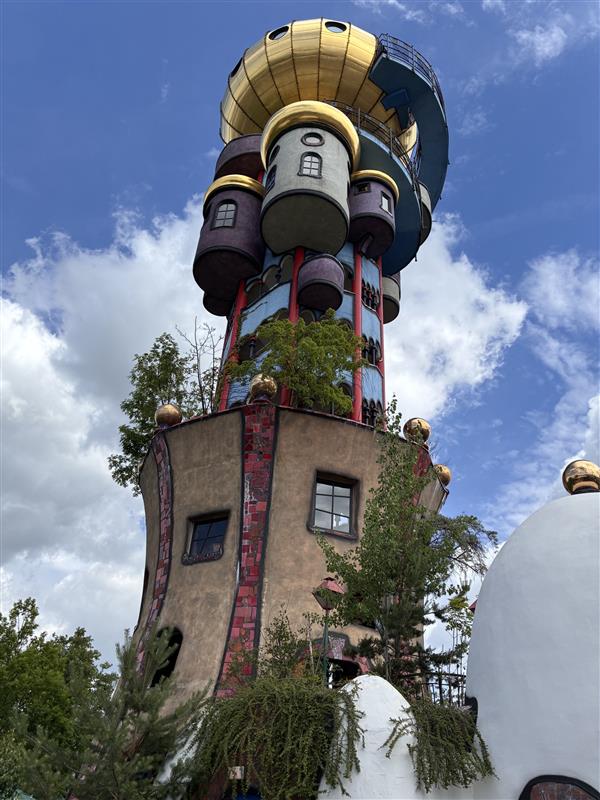
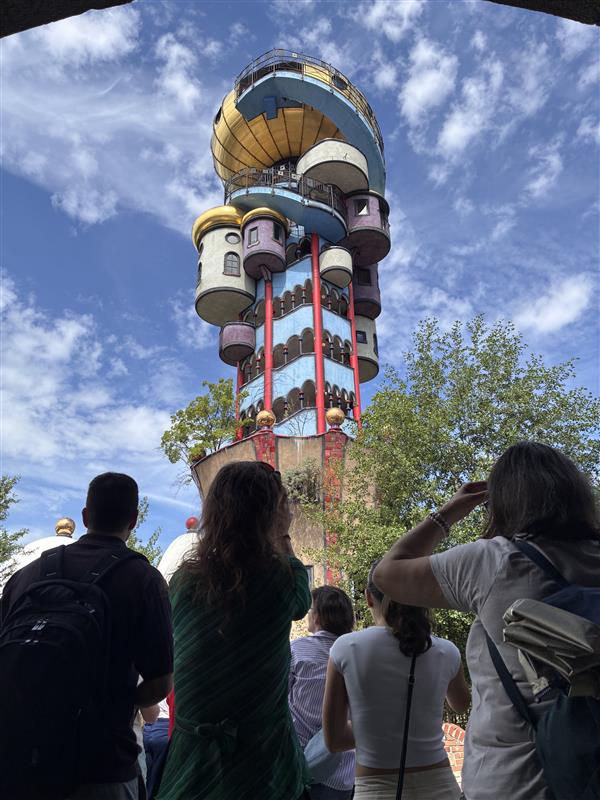
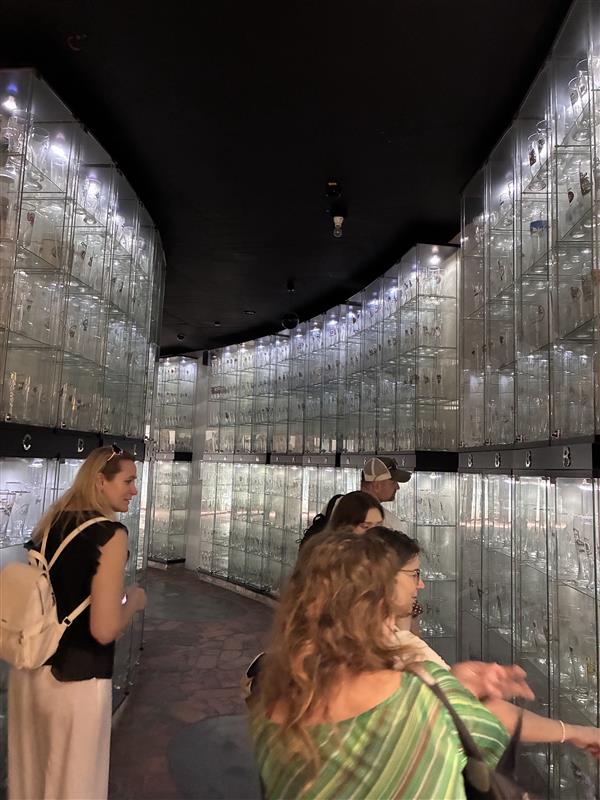
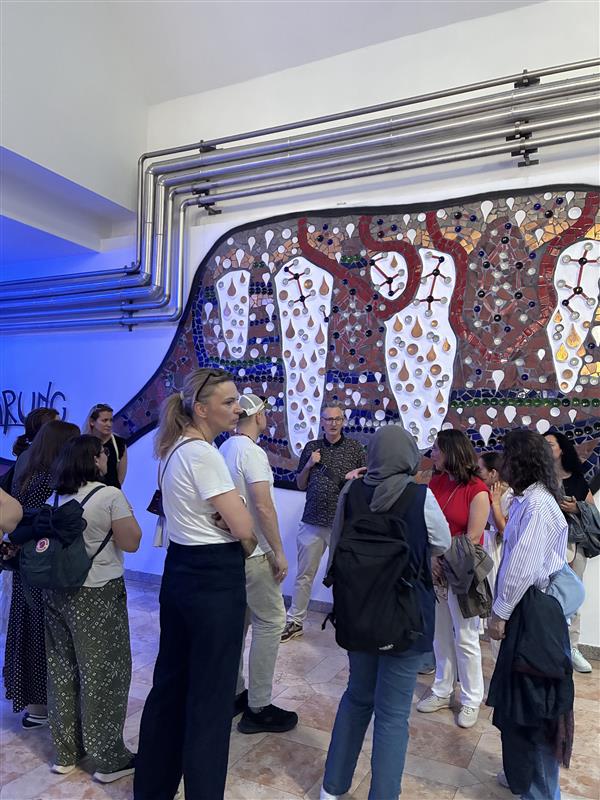
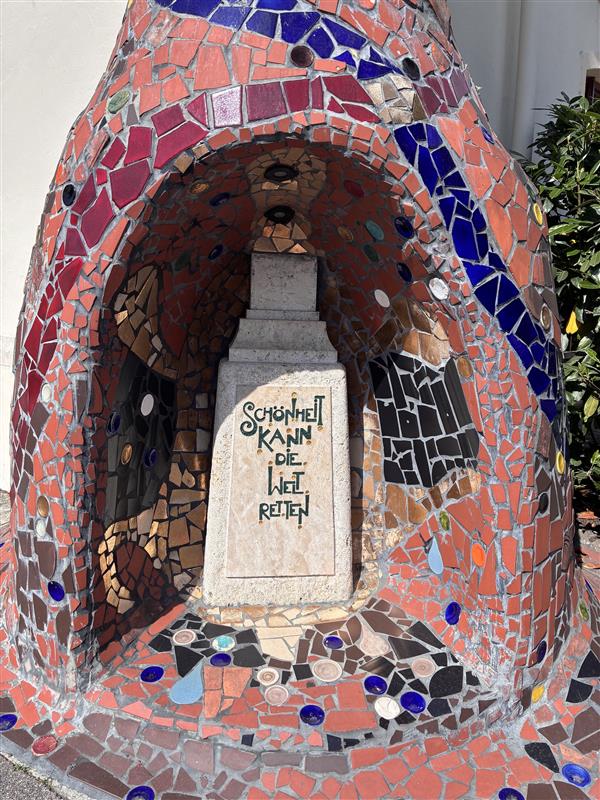
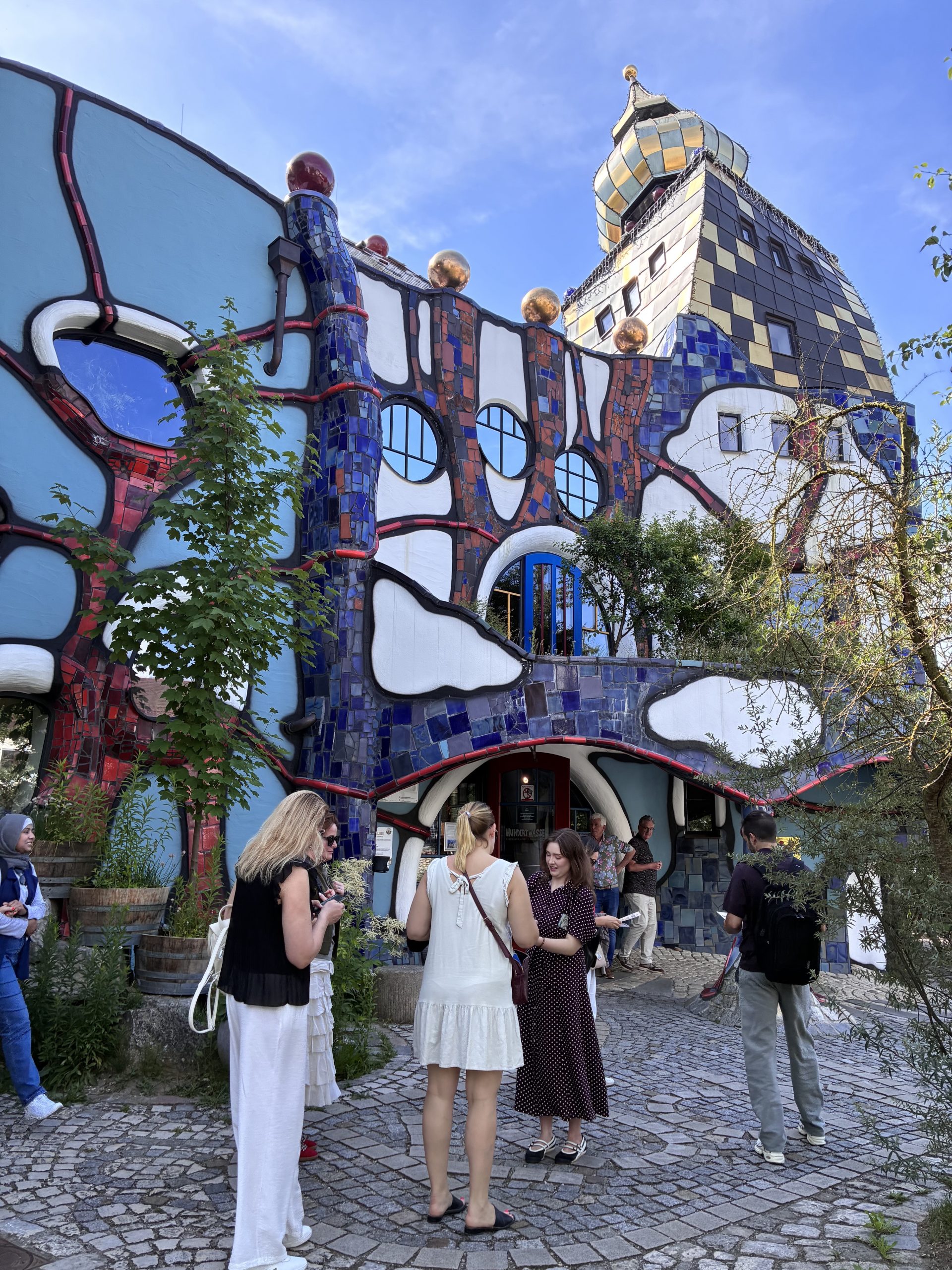
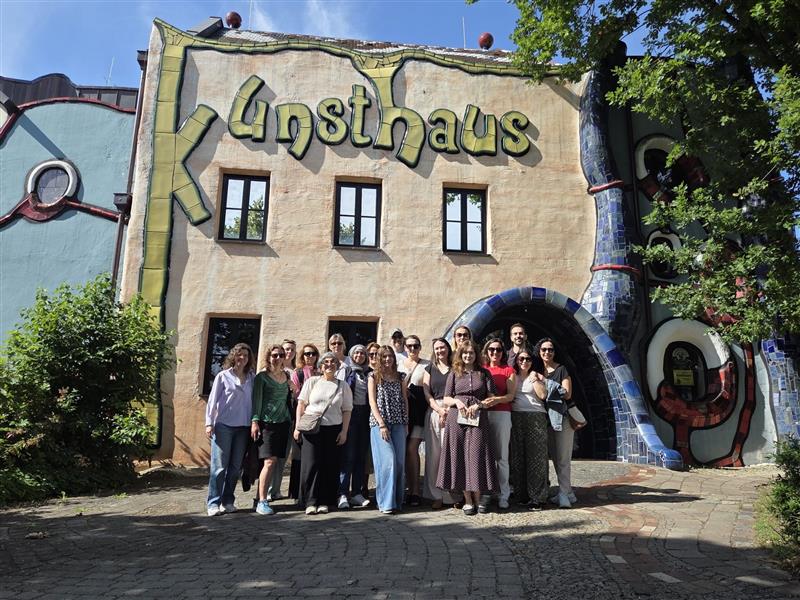
The third day began with an excursion, offering participants an opportunity to experience the local environment and continue informal exchanges. Following the excursion, the second phase of the BIP officially started with welcoming remarks from Vice President Professor Feifel.
Several new participants joined the programme, including professors from Portugal, Spain, and Technische Hochschule Ingolstadt. This broadened the interdisciplinary and international perspectives within the group and brought additional expertise to the discussions.
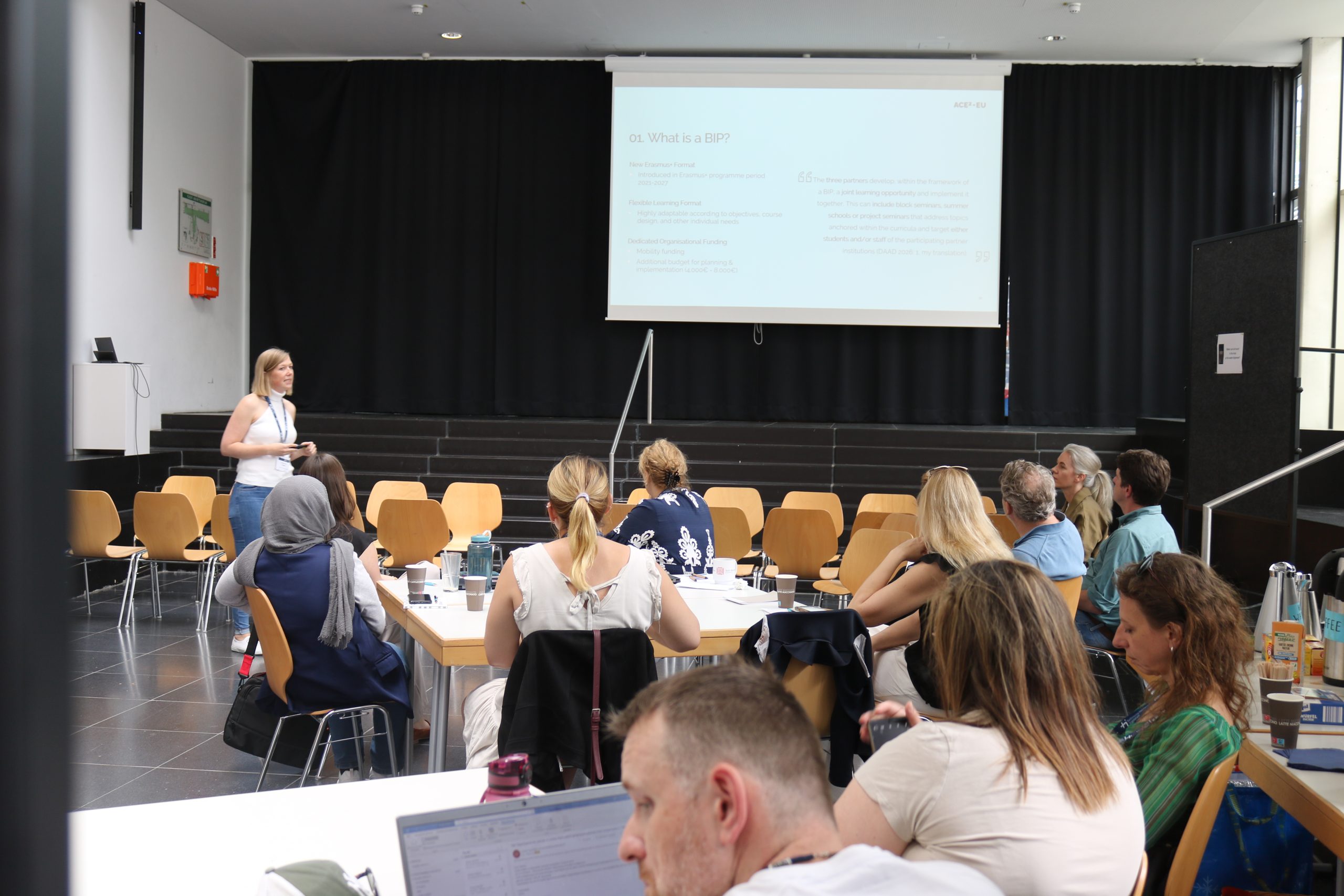
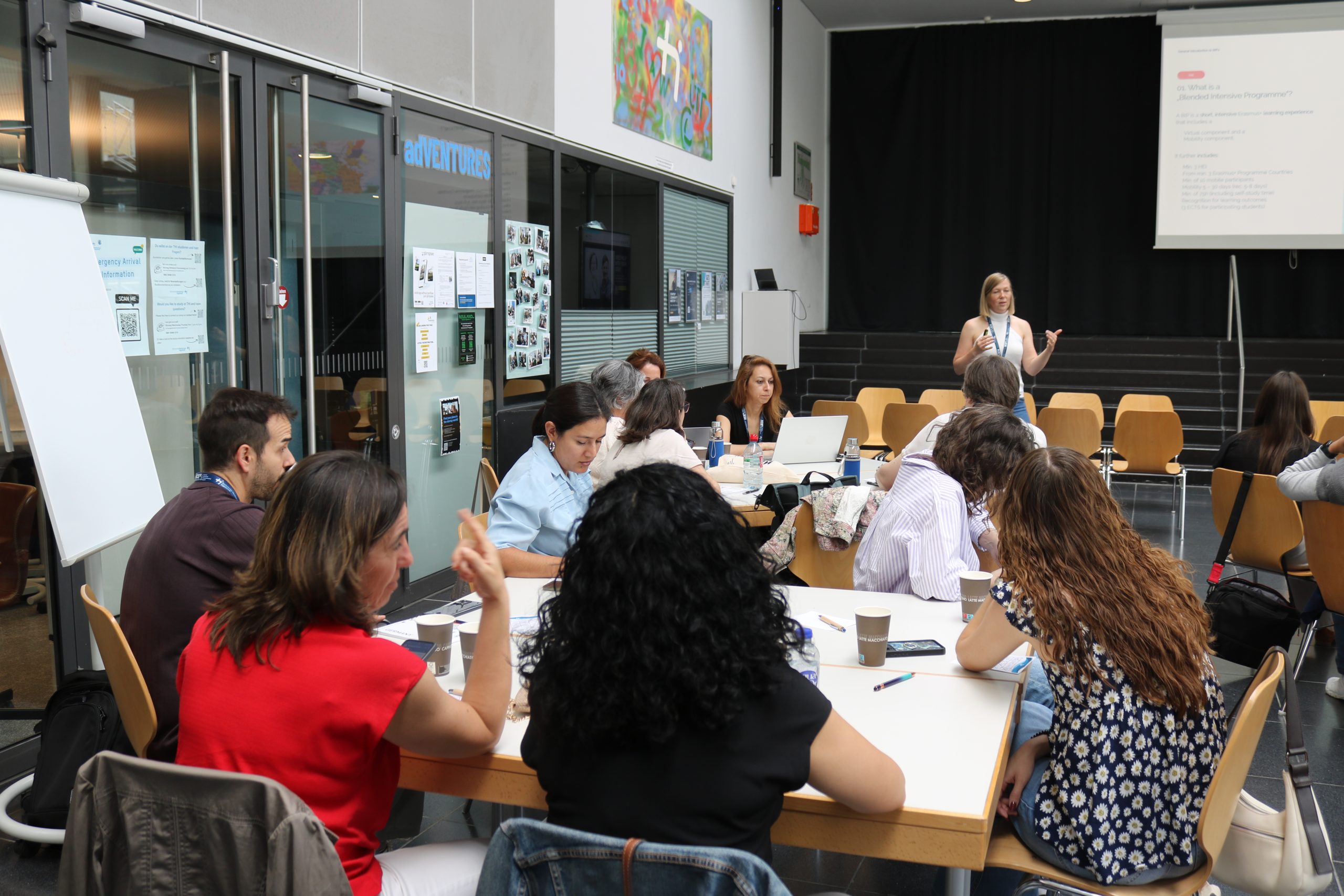
Anna-Lisa Klages provided an introduction to the BIP concept from the perspective of Technische Hochschule Ingolstadt and explained the application process for BIPs at THI. The session highlighted the institutional support available for future initiatives and encouraged participants to consider implementing BIPs within their own teaching and administrative contexts.
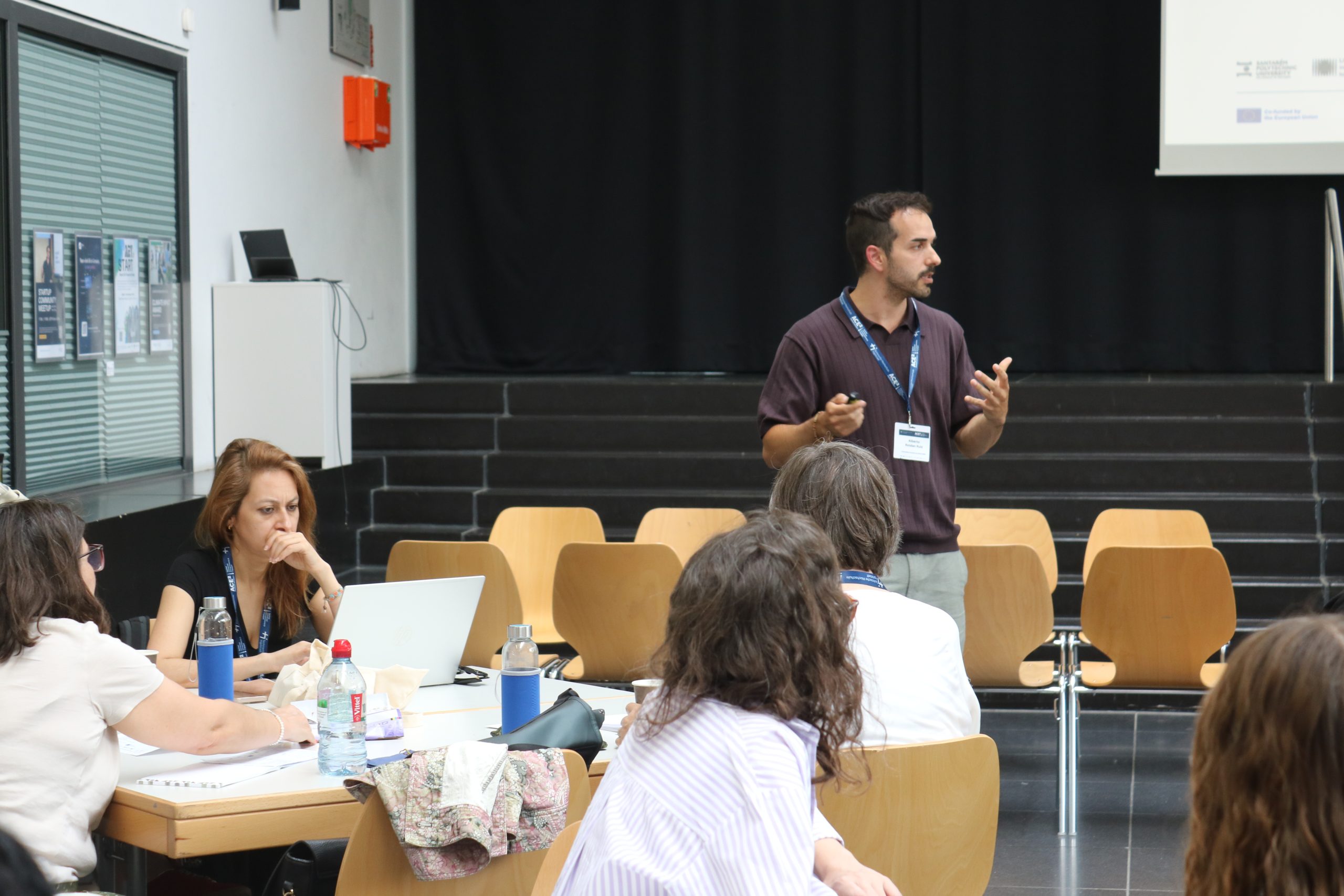
A keynote by Alberto Roldán Ruiz offered valuable insights into BIPs from a lecturer’s perspective. He emphasised that while developing and organising BIPs requires considerable effort, they also create unique opportunities to address topics that often cannot be covered within regular teaching schedules. Additional funding possibilities allow educators to invite external experts and establish collaborations that might otherwise not be possible.
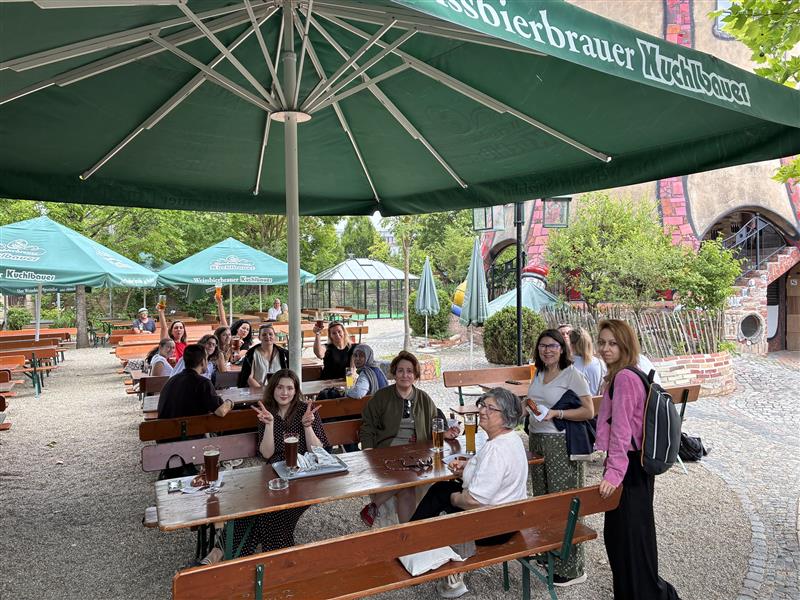
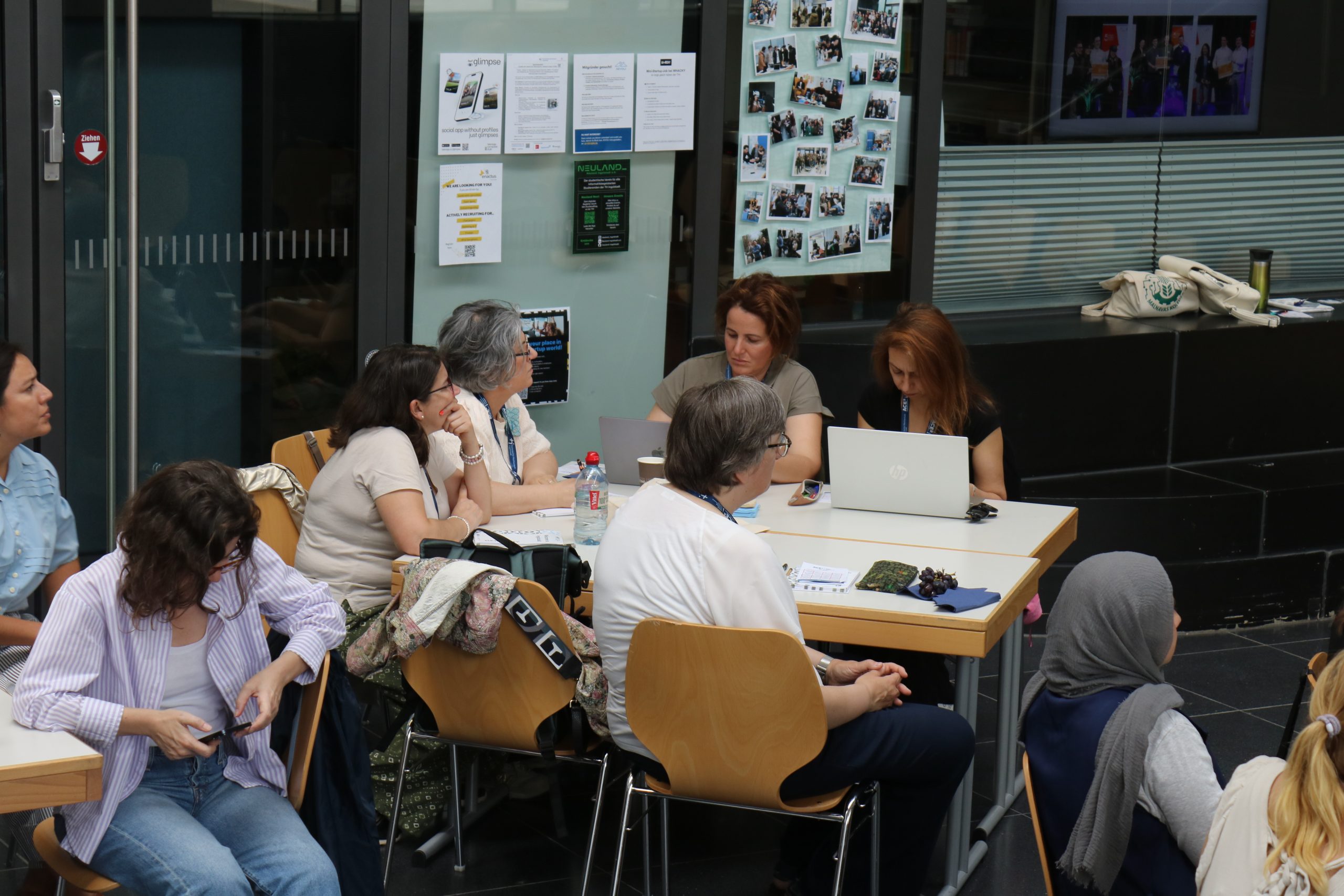
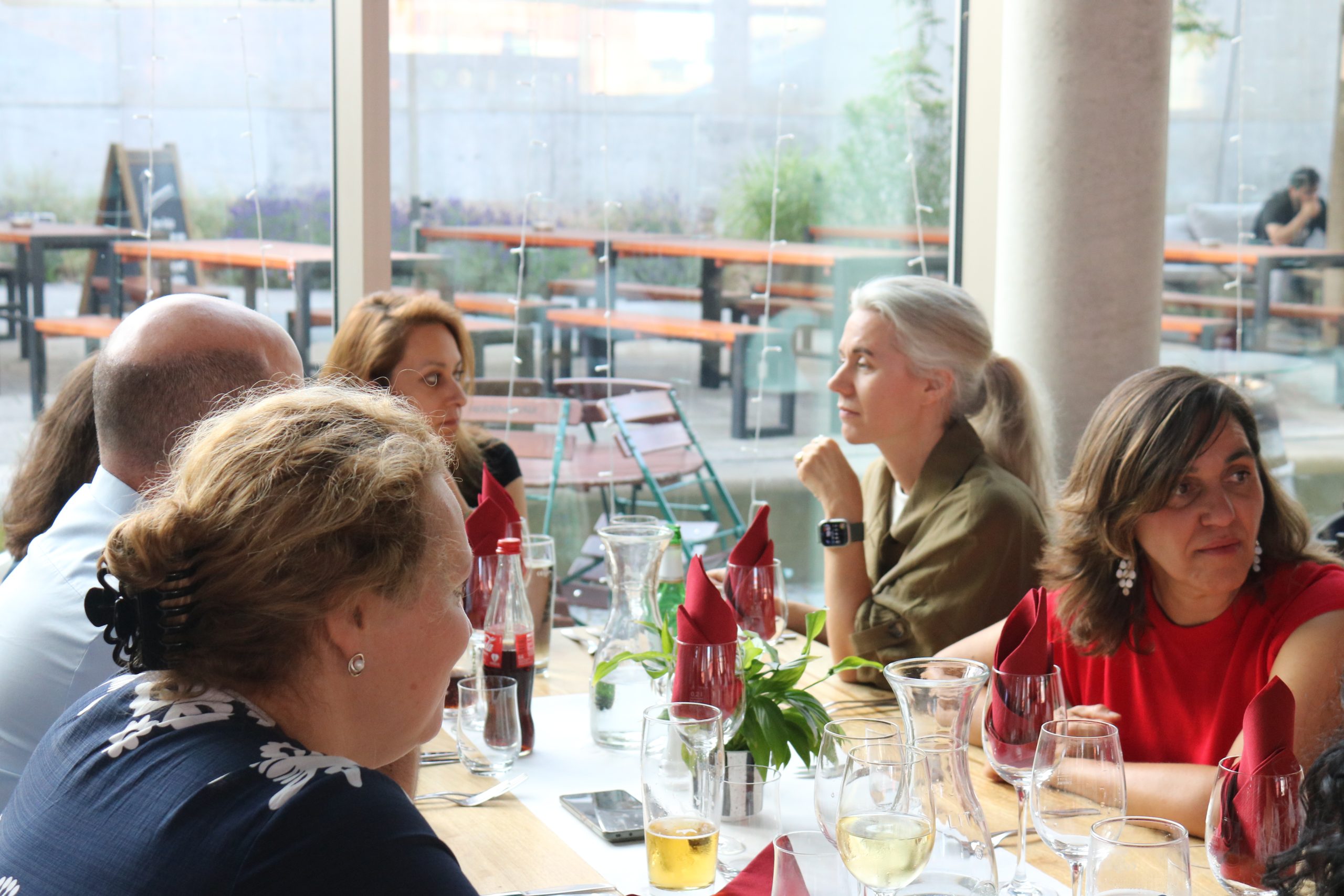
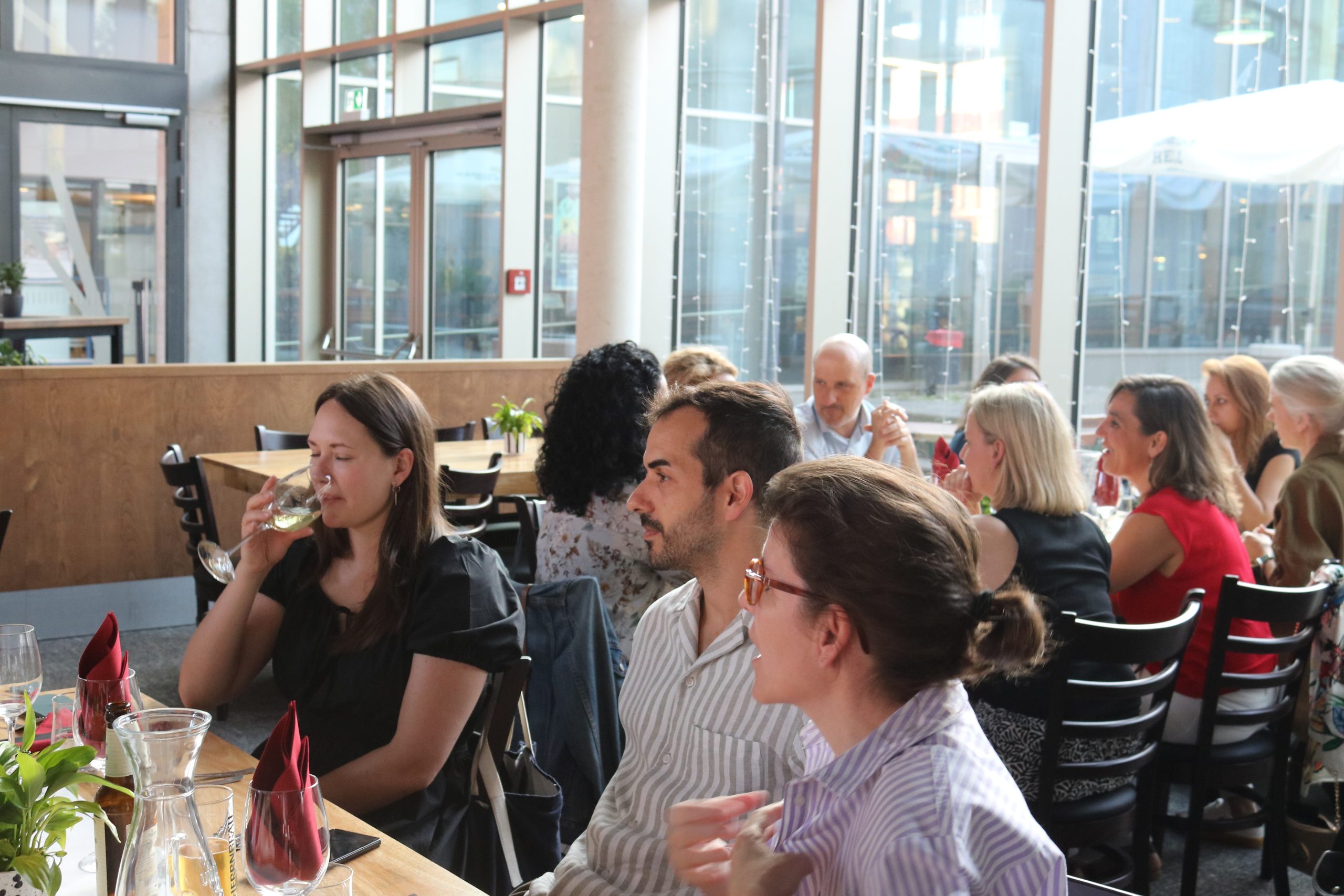
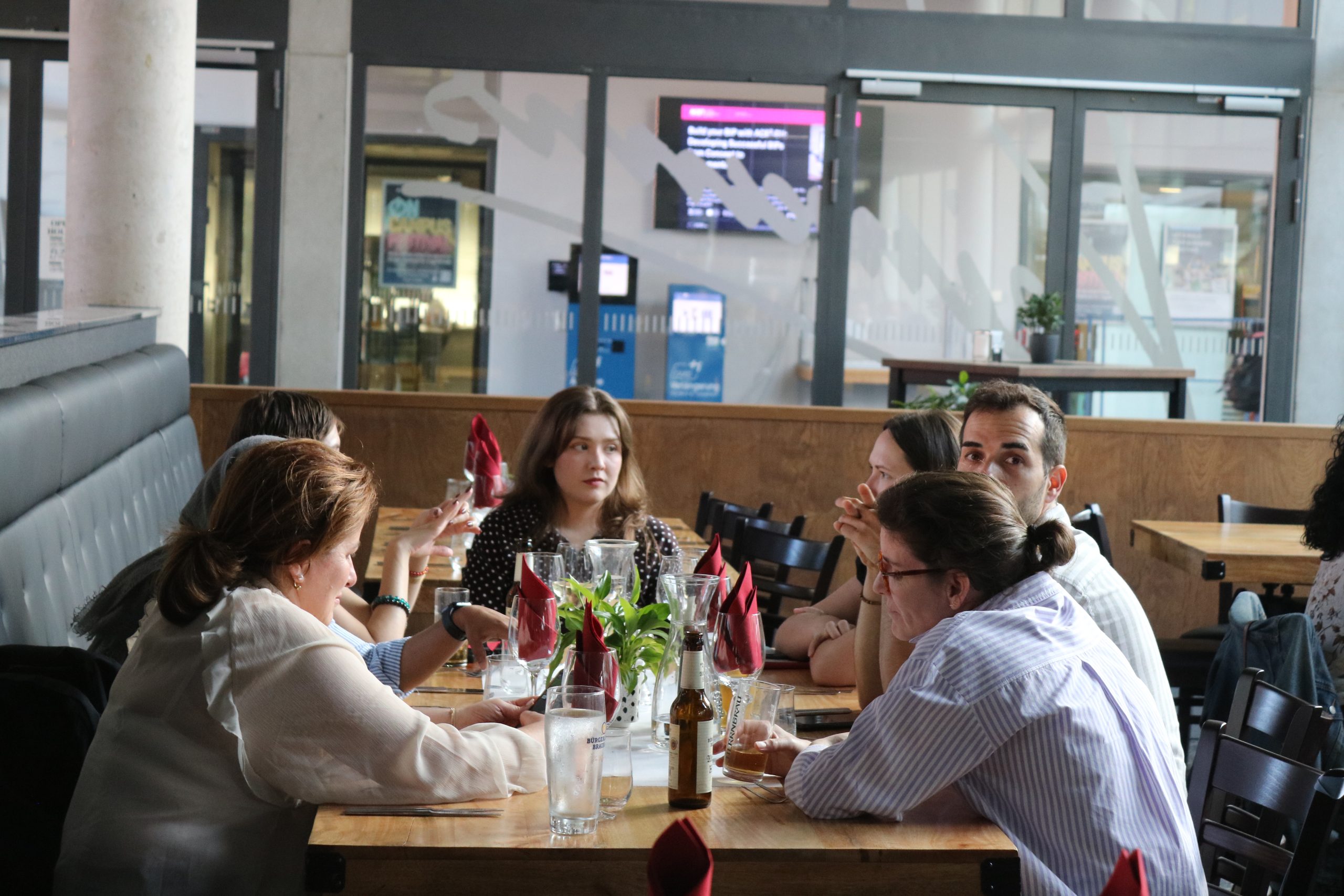
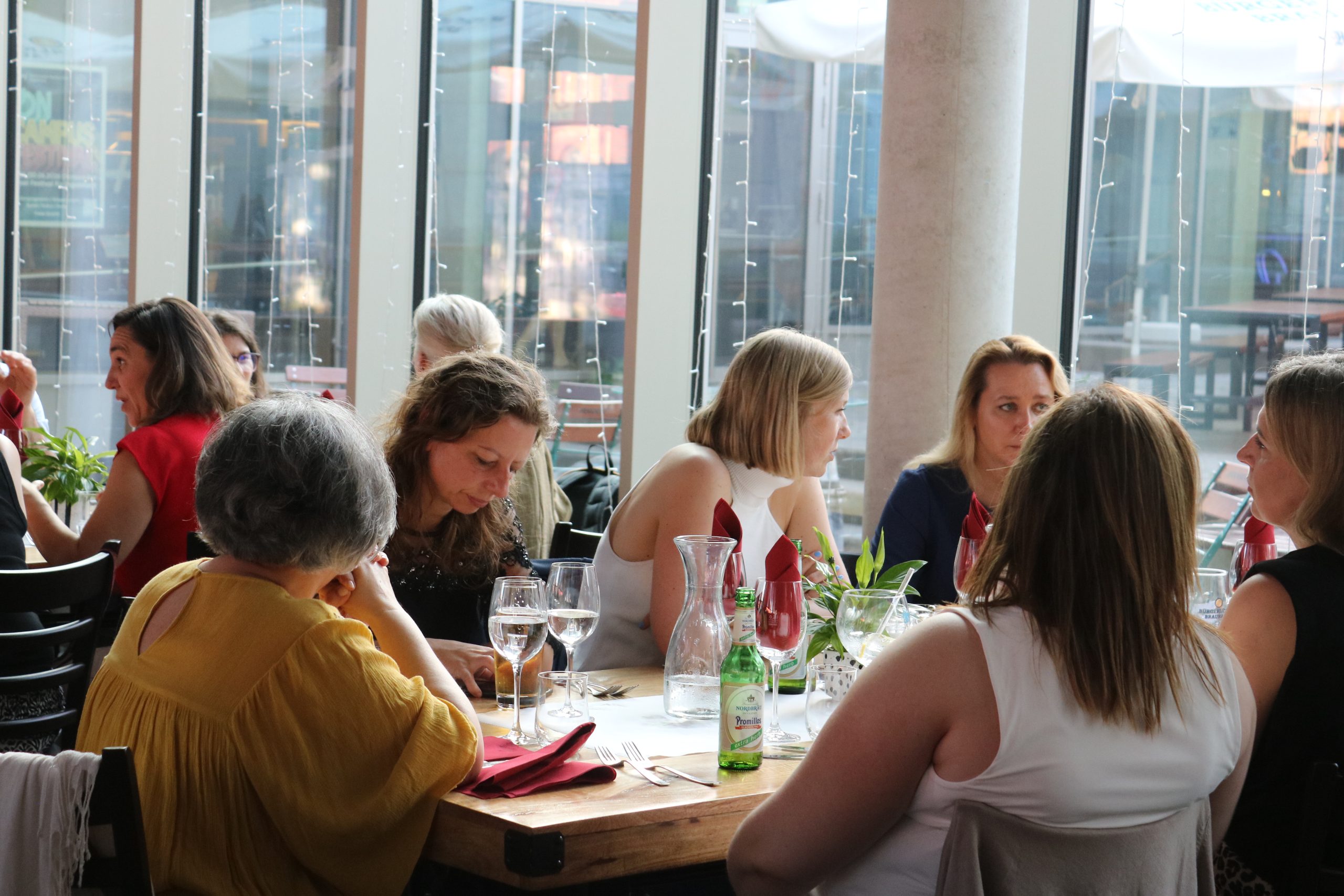
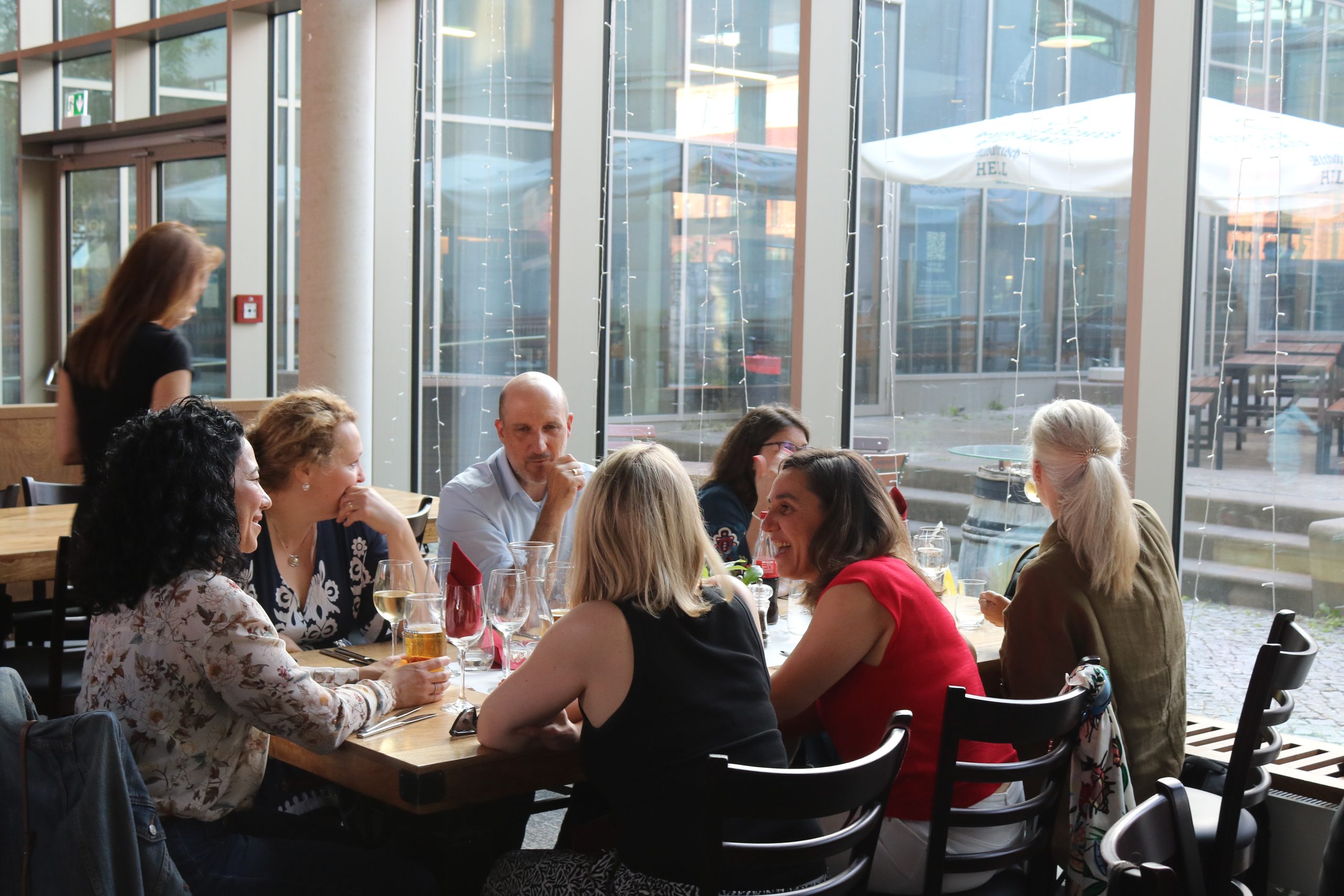
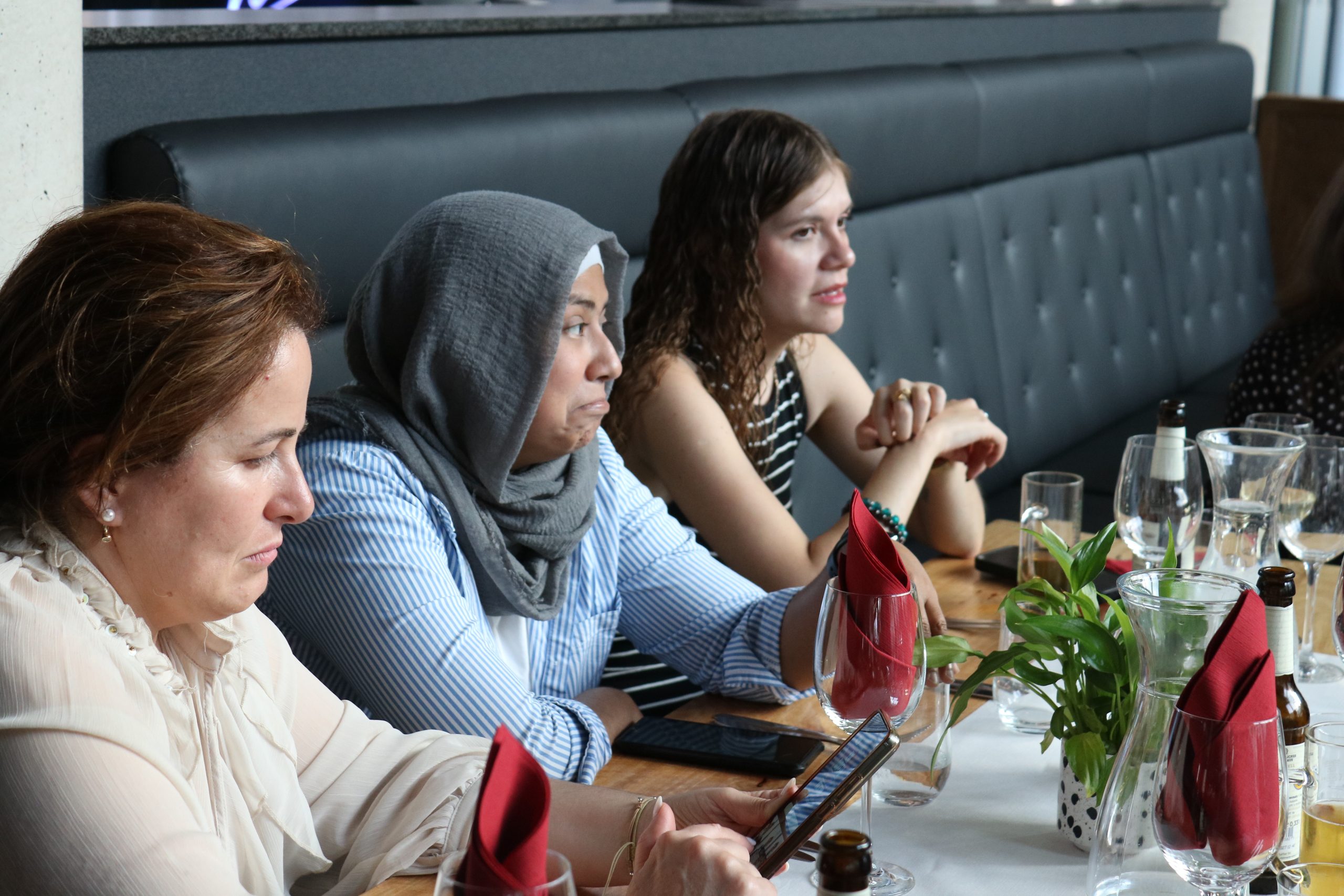
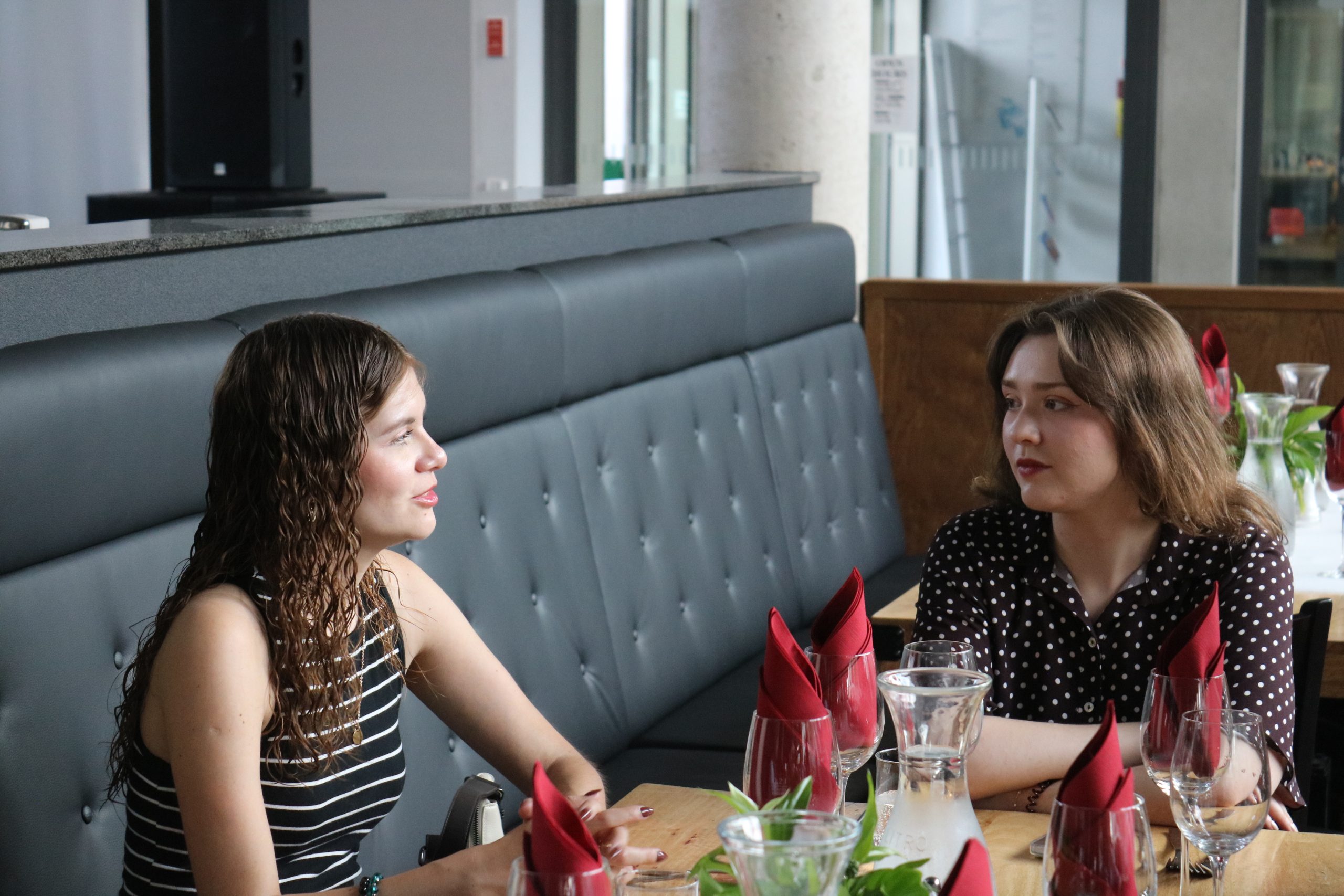
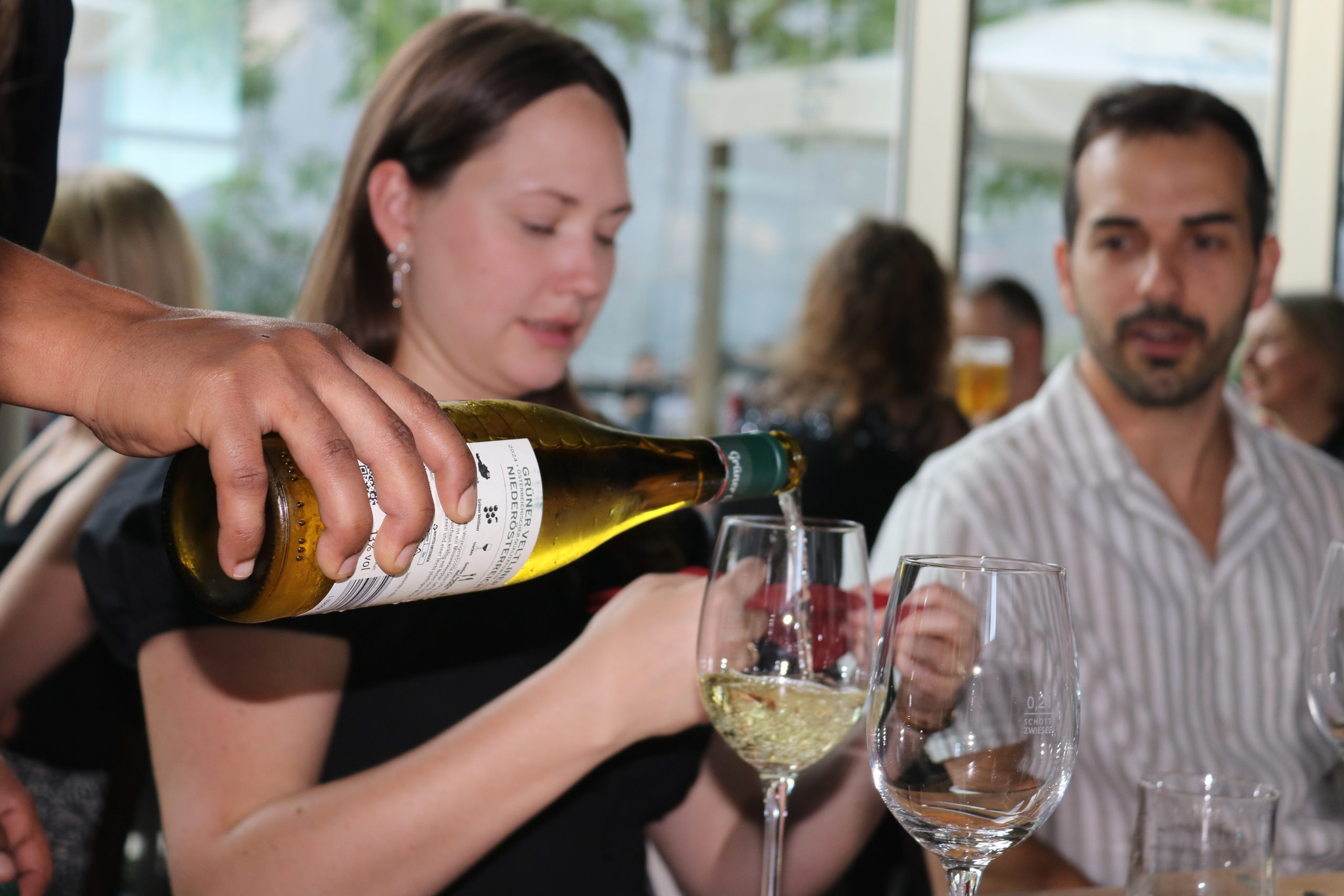
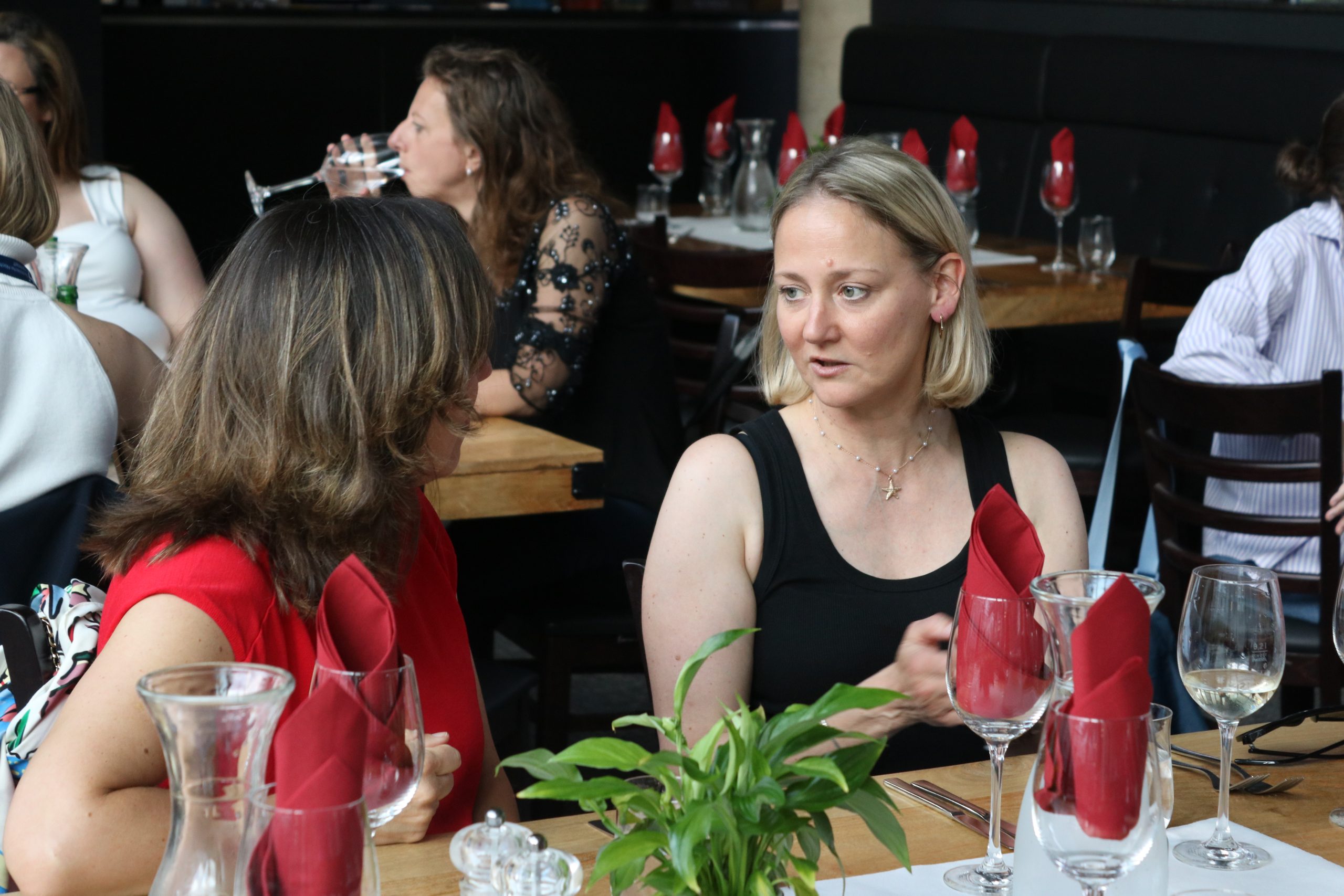
The day concluded with a speed-matching session, enabling participants to identify common interests and potential project partners, followed by a joint dinner that further strengthened the network within the Alliance.
On the fourth day, Alma Vázquez presented the organisational dimension of BIPs within ACE²-EU. Her step-by-step overview demonstrated how BIPs develop from initial ideas to implementation, covering realistic timelines, communication processes, student engagement, and institutional responsibilities.
The following workshop on inclusion, cultural sensitivity, and intersectionality was led by Astrid Moser, Aditya Tuknait, José Gutierrez Diaz, and Anna-Lisa Klages. The strong student perspective proved particularly valuable, providing important insights into how BIPs and other Micro Learning Opportunities can become more inclusive and accessible for diverse student populations.
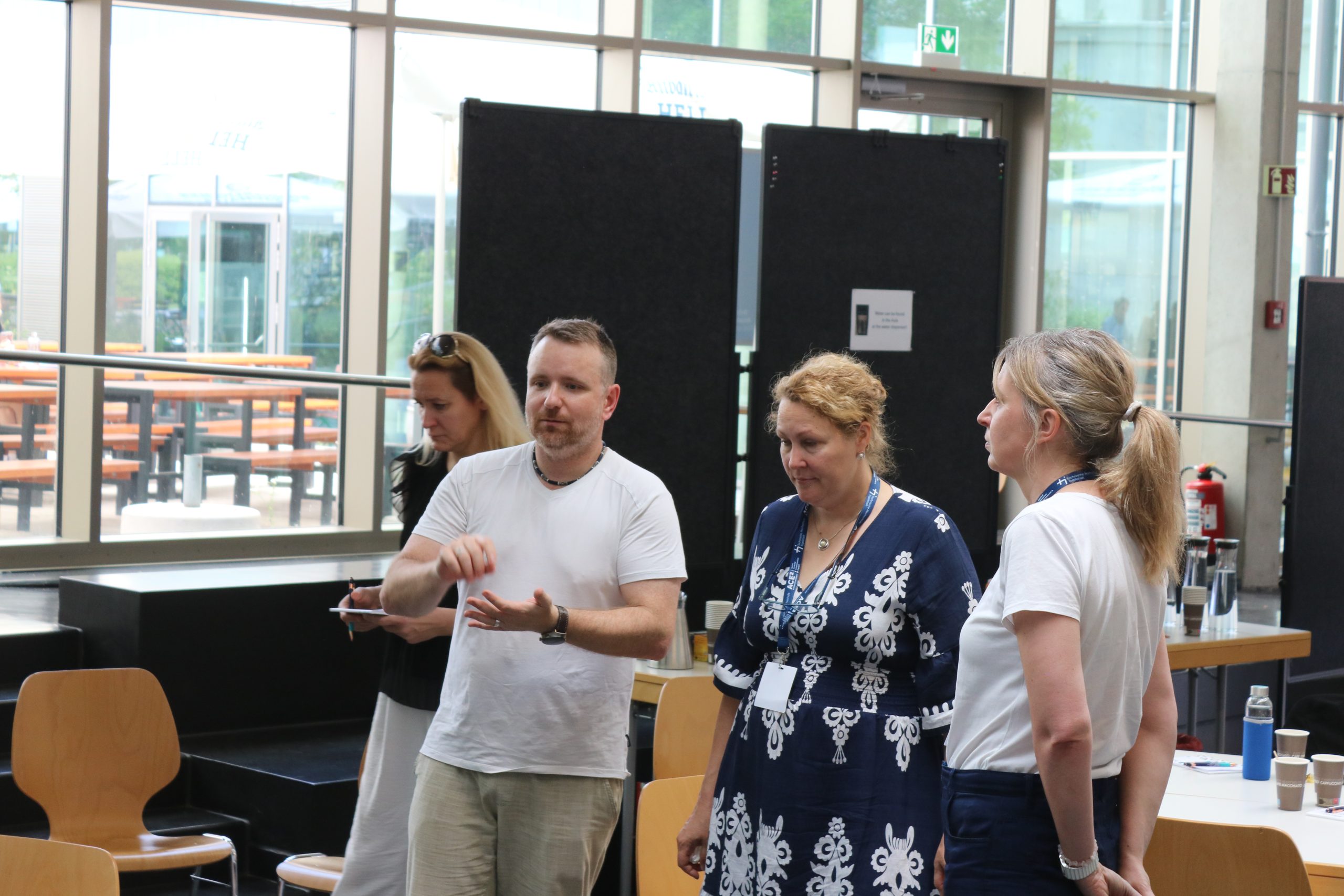
Participants later explored the THI campus and the CARISSMA research centre before continuing intensive work on their own BIP concepts.
The final day featured a keynote by Professor Marta Molina Díez from Universidad Francisco de Vitoria, who travelled to Ingolstadt to speak about target-group-oriented communication. Her presentation focused particularly on how to reach students effectively in an increasingly complex and information-rich communication environment. Since every BIP ultimately depends on student participation, successful communication plays a crucial role in ensuring the sustainability and impact of these programmes.
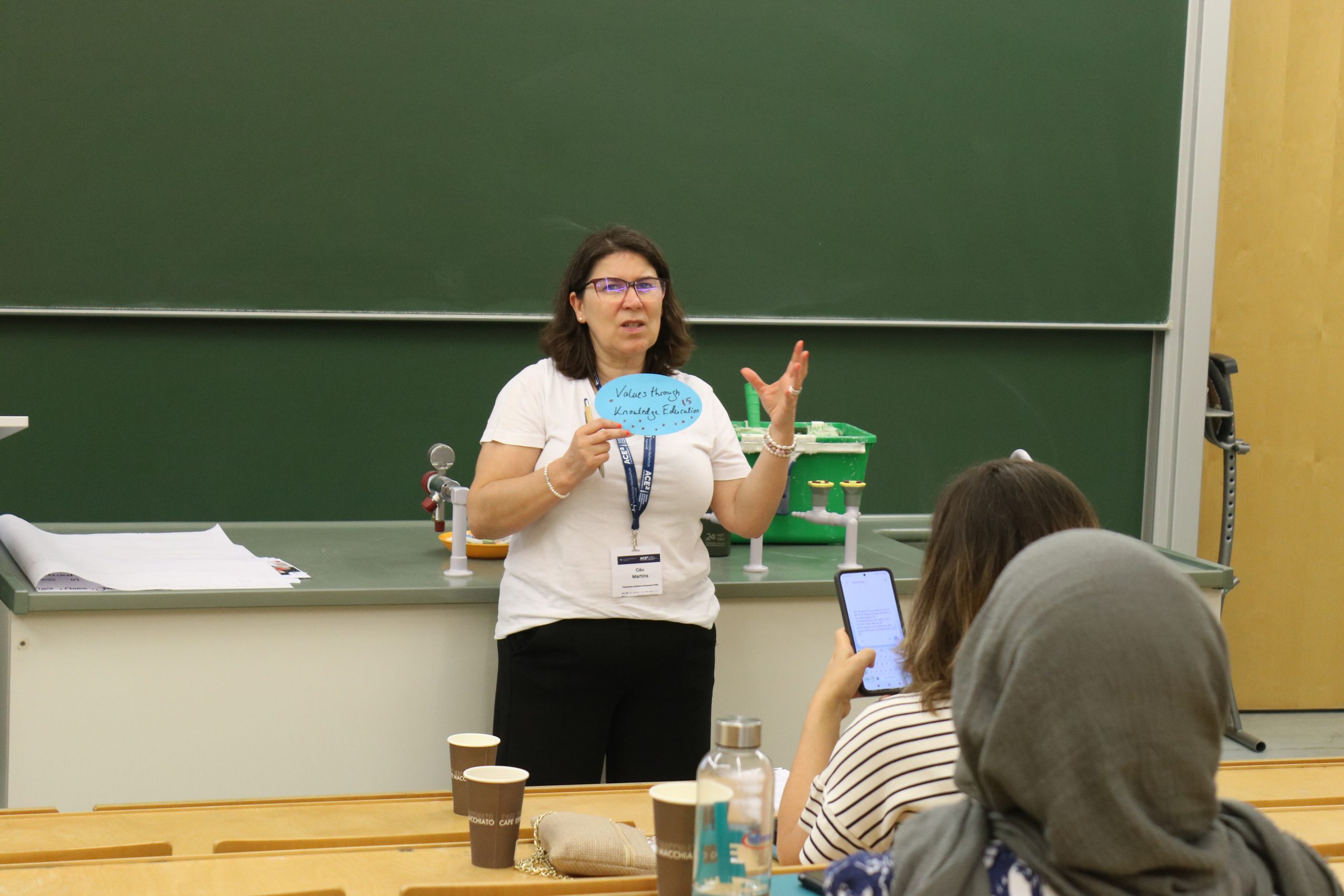
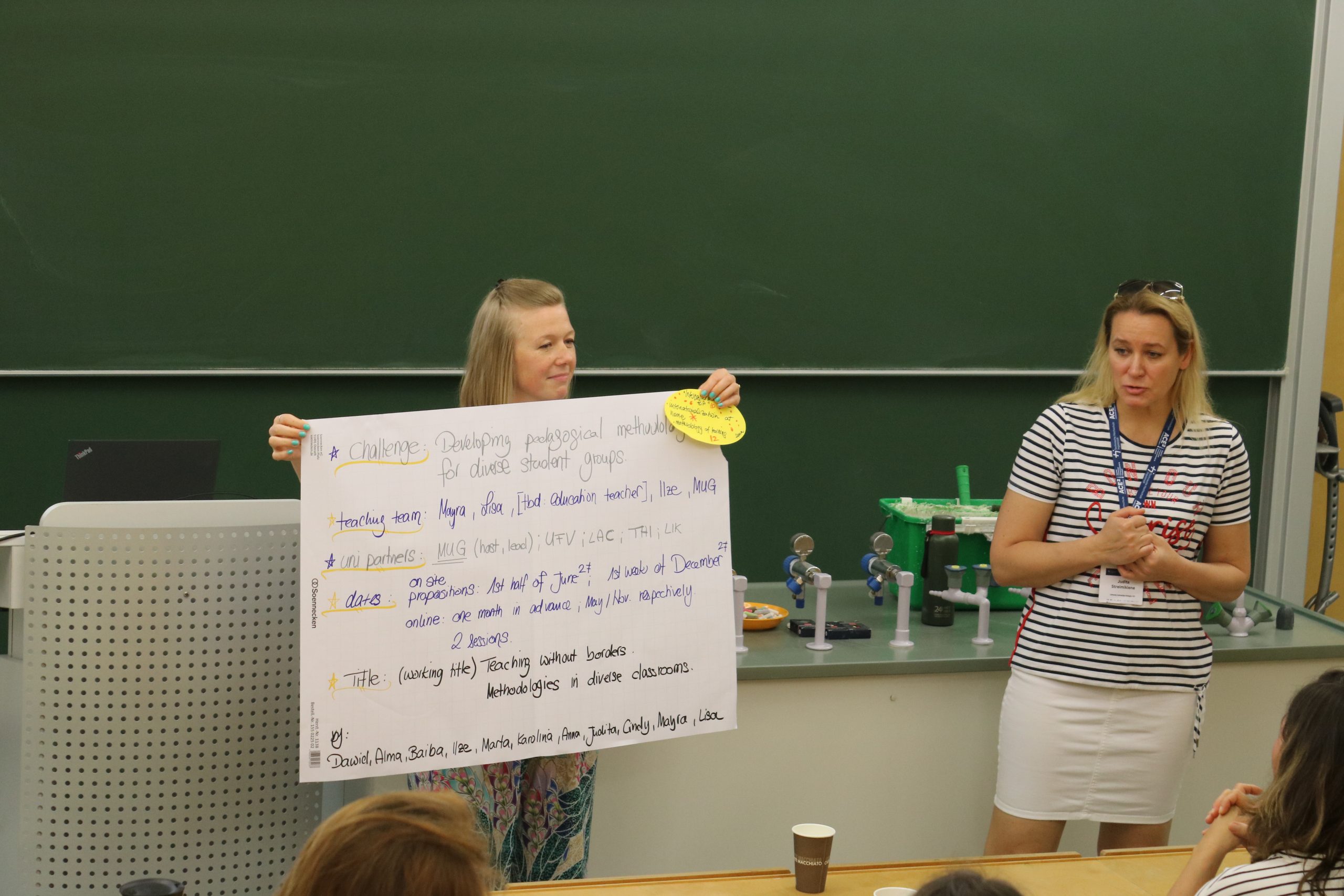
The final presentations demonstrated how far the participants had progressed during the week. One particularly advanced concept, provisionally titled Teaching without Borders, aims to create a Staff BIP dedicated to teaching and learning methods. Recognising that educational cultures differ significantly across countries, the programme would enable lecturers to expand their pedagogical toolkits and exchange teaching practices across Europe.
Another emerging BIP concept focused on European values and explored the fundamental question: What makes a human?
The official programme concluded at midday, followed by participation in the On Campus Festival, providing an informal and celebratory ending to an intensive and productive week.
However, the work does not end in Ingolstadt. Two additional online sessions are already planned to continue discussions on both procedural developments and the newly created BIP concepts. The Staff BIP has therefore not only generated new ideas but also laid the foundations for future collaboration, innovation, and international teaching activities within the ACE²-EU Alliance.