
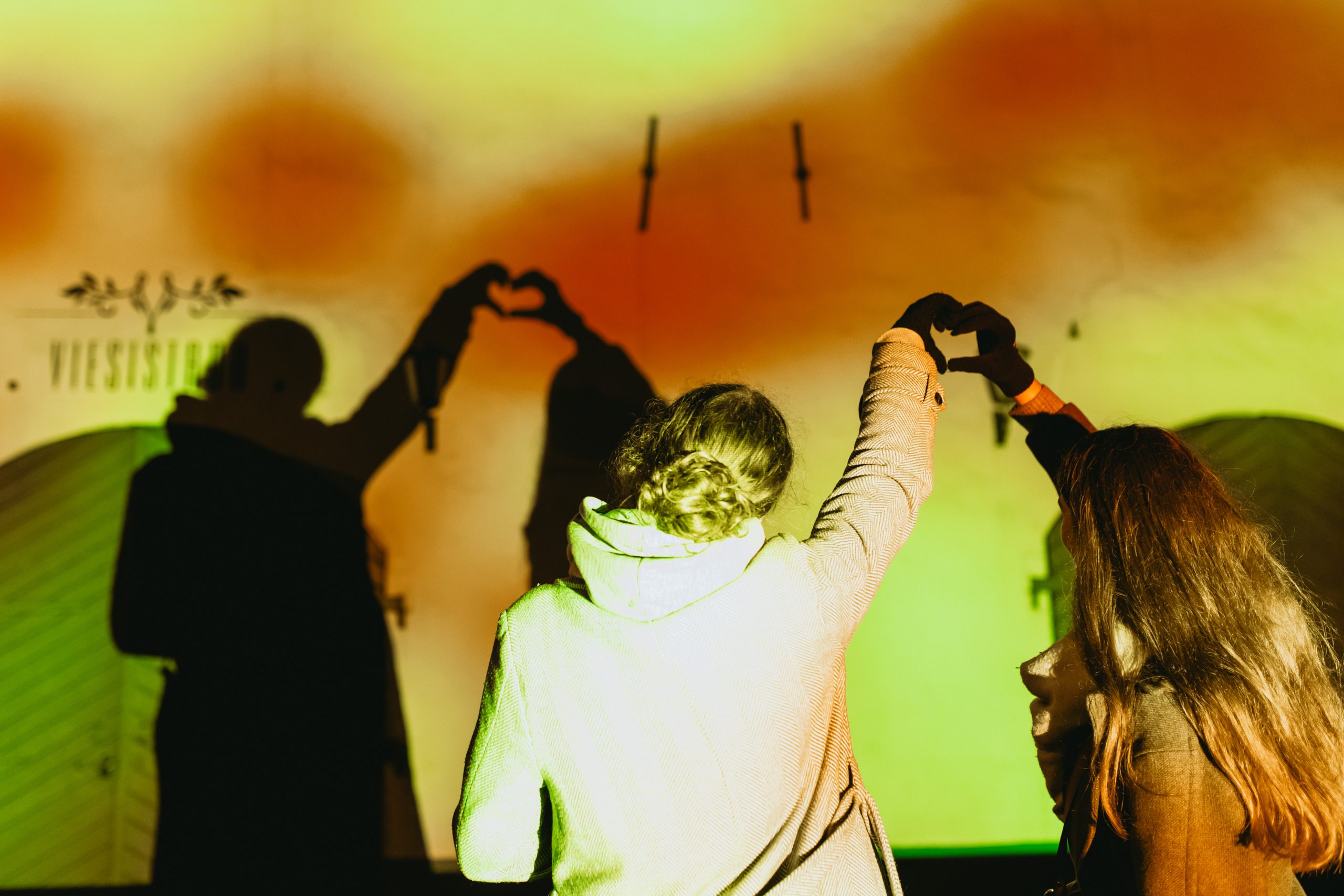
Four light installations developed from international student collaboration during the ACE²-EU Flavour School in Riga were brought to life at the Staro Rīga Light Festival, held from 15 to 18 November 2026. What began as creative ideas during a five-day international learning experience in September became part of one of Latvia’s most prominent public art events, transforming Riga’s urban spaces into places of light, interaction and shared experiences.
The installations originated from the ACE²-EU Flavour School “Urban Future Public Space LAB: Art, Design and Technology for People”, hosted by the Latvian Academy of Culture (LAC) from 31 August to 4 September 2026. The programme brought together 47 students from nine ACE²-EU partner universities, representing Austria, Germany, Romania, Poland, Lithuania, Spain, Portugal, North Macedonia and Latvia.
International Collaboration and Creative Learning
The five-day Flavour School was led by Elizabete Palasiosa from the Latvian Academy of Culture (LAC), bringing together an international team of lecturers, mentors and creative professionals from across the ACE²-EU Alliance. The teaching team included Andrea Stitzel and Georg Riesenhuber from Carinthia University of Applied Sciences (CUAS, Austria), Aniela Brzezińska from the Medical University of Gdańsk (MUG, Poland), Stefanie Wrobel from Technische Hochschule Ingolstadt (THI, Germany), and Javier Riera, Lidón Ramos and María Gutiérrez Pérez from Universidad Francisco de Vitoria (UFV, Spain).
The programme was further enriched by the expertise of internationally renowned light artist László Zsolt Bordos from Hungary, who also participated in the Staro Rīga 2026 festival, and Latvian lighting expert Reinis Smiltenis.
Through lectures, hands-on workshops and interdisciplinary teamwork, students explored how art, design and technology can transform public spaces, developing seven original light installation concepts, four of which were subsequently brought to life at the Staro Rīga Light Festival.
From International Collaboration to Public Art
The transformation of student concepts into physical installations was made possible through collaboration with first-year students from the Latvian College of Culture of the Latvian Academy of Culture, who undertook the creative and technical implementation of the projects. This collaboration connected international perspectives with local creative expertise, offering students an opportunity to see how ideas developed in an educational environment can evolve into artworks experienced by the wider public.
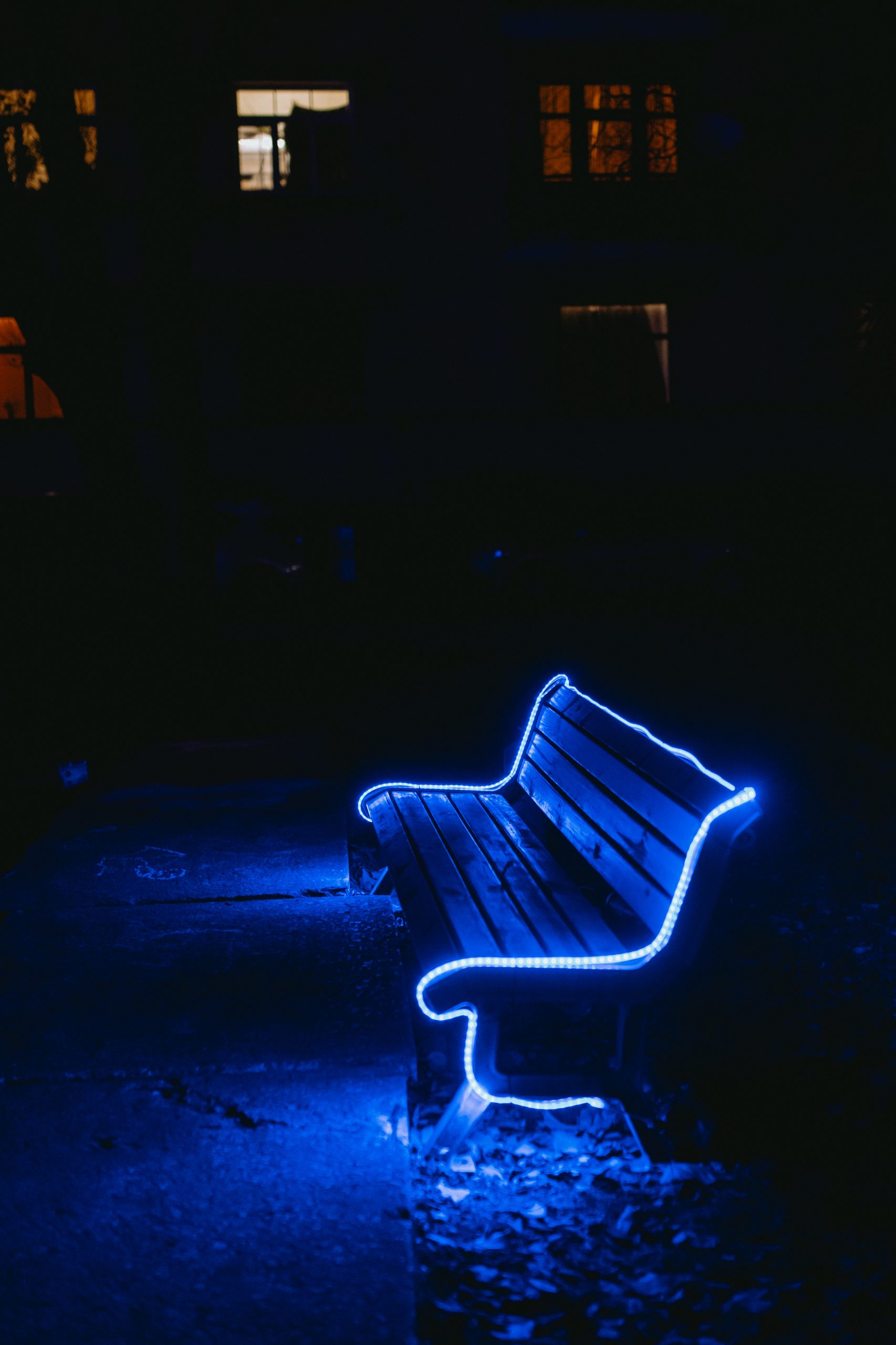
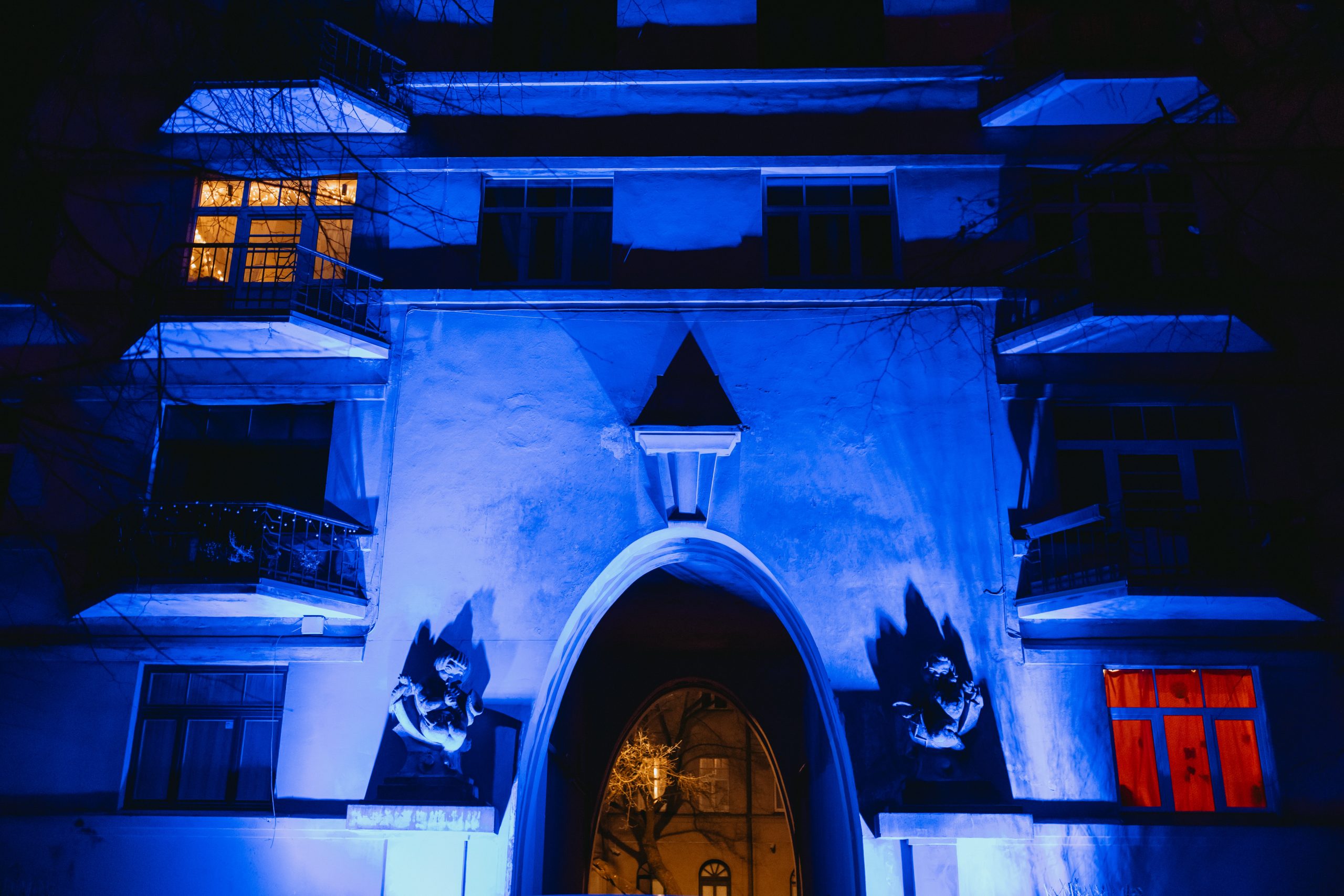
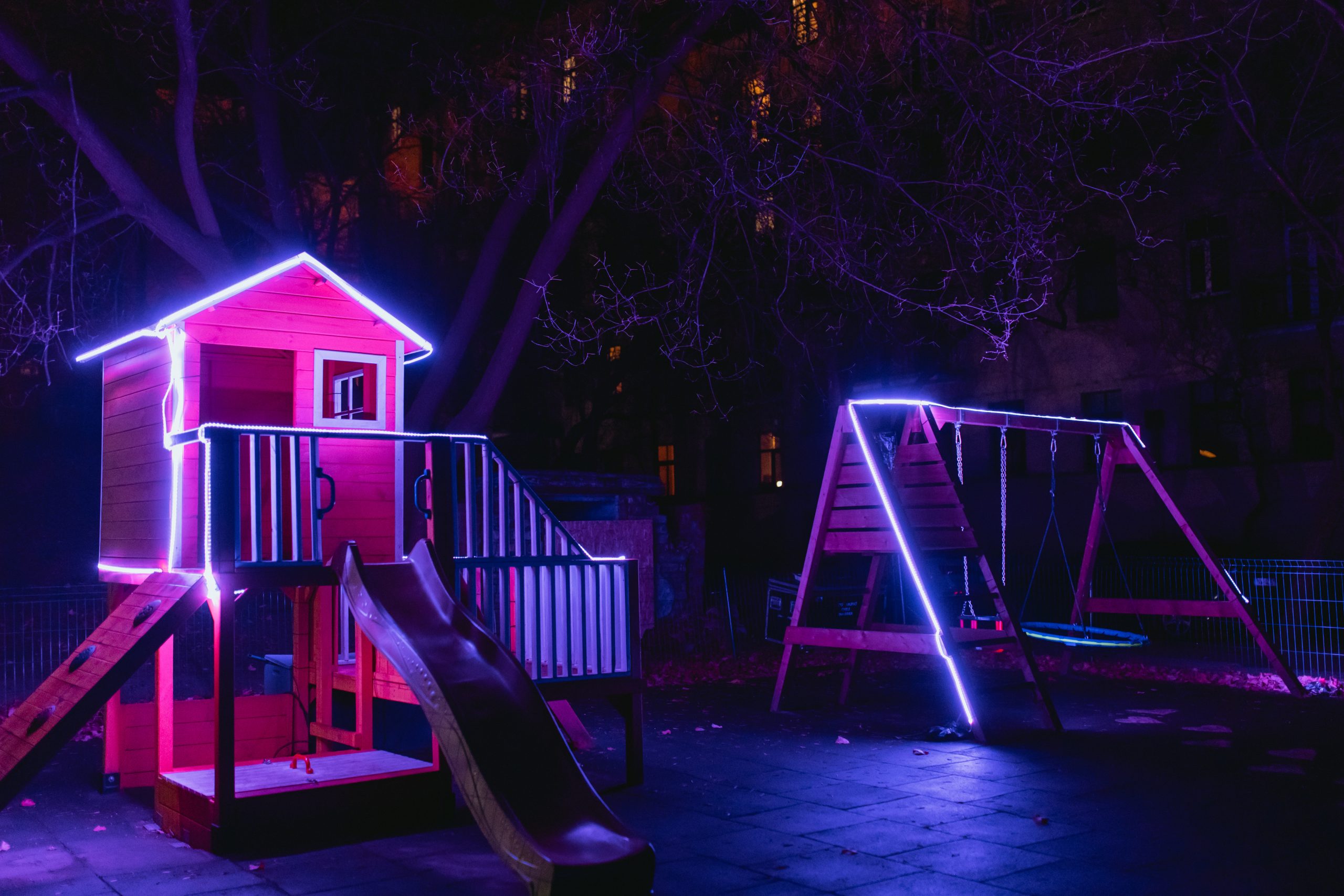
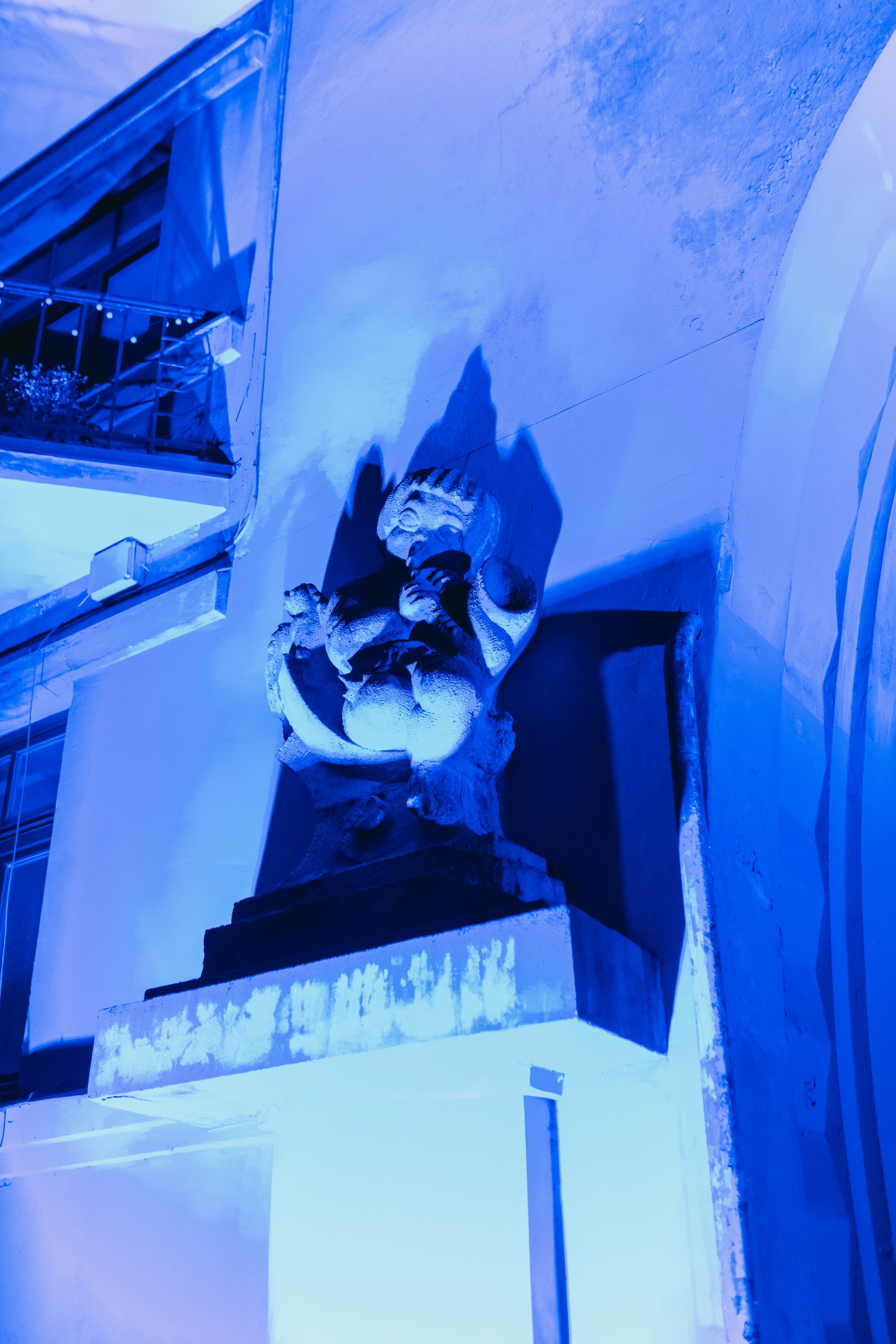
The four installations were presented as part of the festival’s Ave Sol Route of Light, reflecting the festival’s overarching theme, “Unum Momentum – That One Moment.”
Four Installations, Four Ways to Experience Light
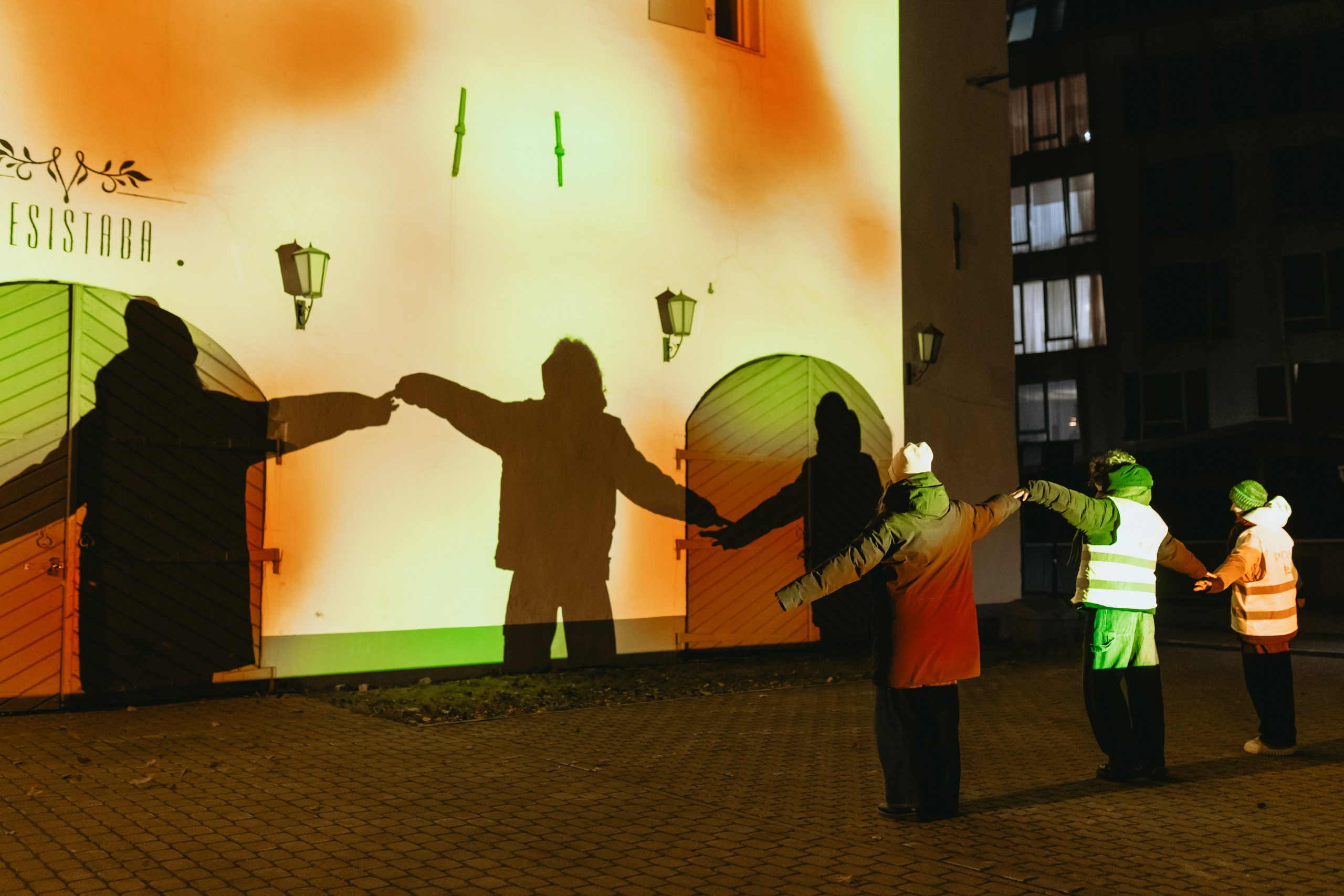
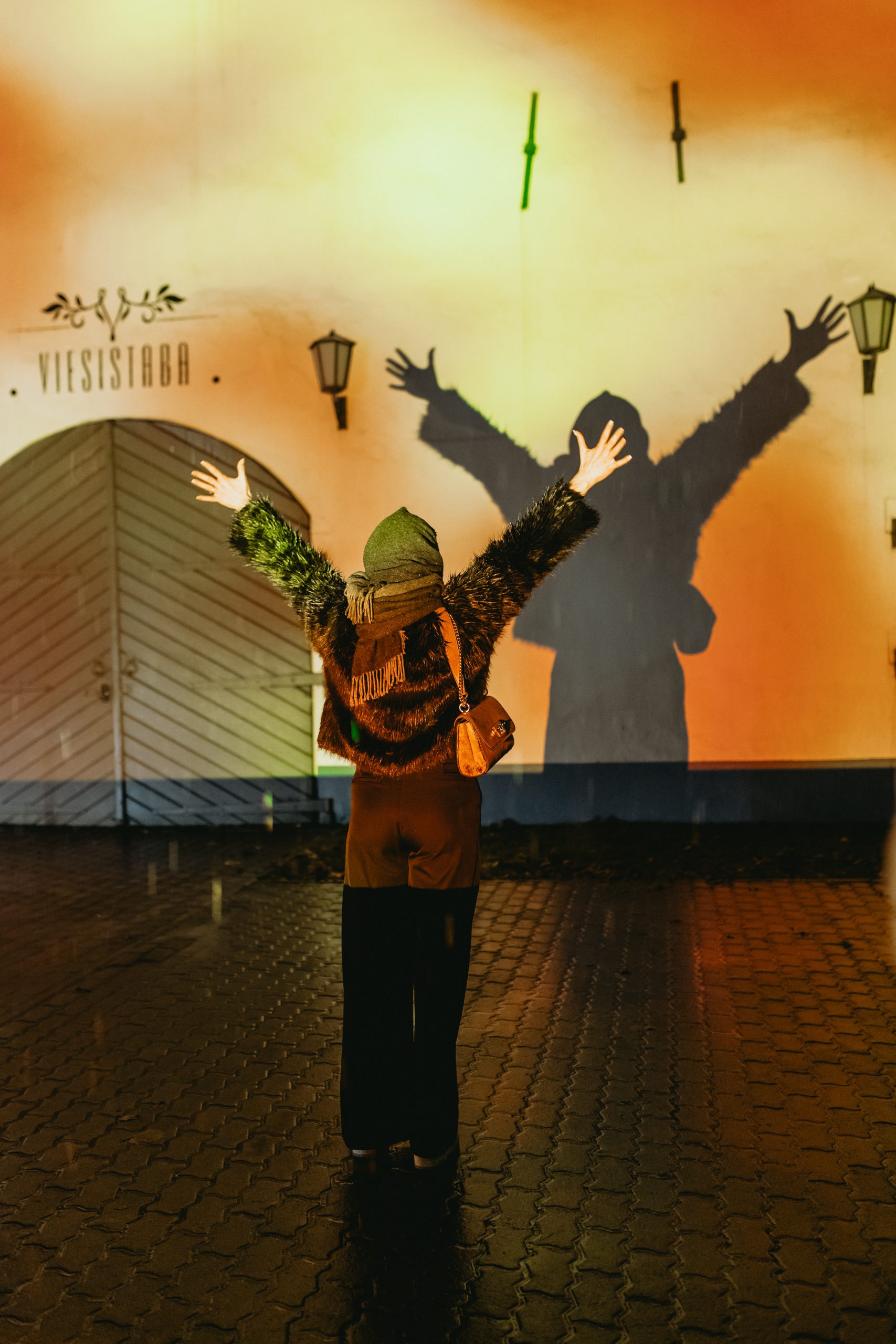
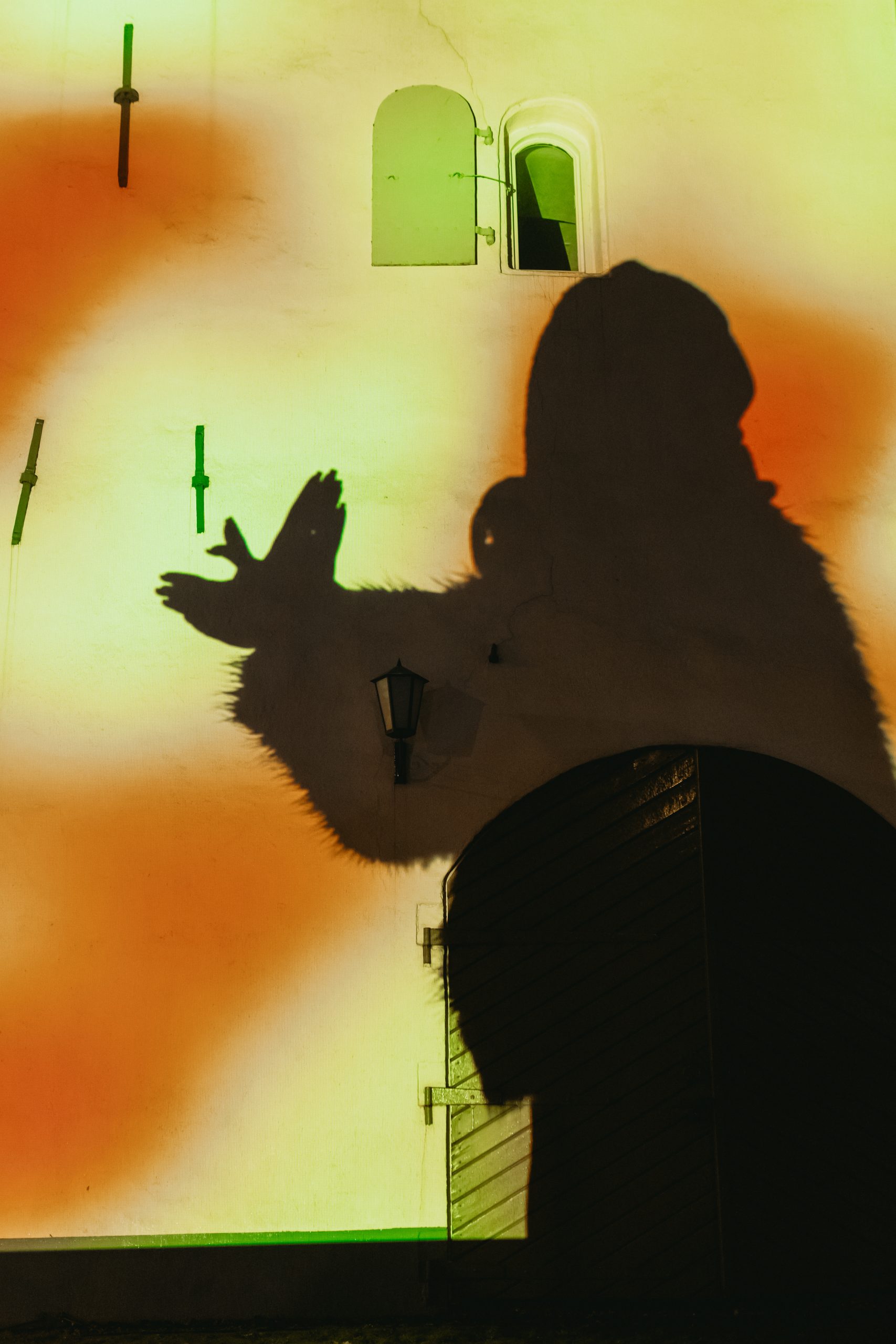
THE SUN explored unity, connection and belonging through an interactive play of light and shadows. Visitors became part of the artwork themselves, creating shared visual experiences through movement.
The concept was developed by ACE²-EU students Inés Peiro, Vilius Bikulčus, Raquel Martin, Anastassiya Kapayeva, Daniel Perez, Hassain Mohammad Efat and Jimena Carpio. The installation was brought to life by students of the Latvian College of Culture (LCC): Estere Bondarenko, Marija Ivanova, Rūta Grantiņa, Elīna Karzubova, Gerda Klepere, Marija Klišāne and Krista Romanova.
The concept was developed by ACE²-EU students Inés Peiro, Vilius Bikulčus, Raquel Martin, Anastassiya Kapayeva, Daniel Perez, Hassain Mohammad Efat and Jimena Carpio. The installation was brought to life by students of the Latvian College of Culture (LCC): Estere Bondarenko, Marija Ivanova, Rūta Grantiņa, Elīna Karzubova, Gerda Klepere, Marija Klišāne and Krista Romanova.
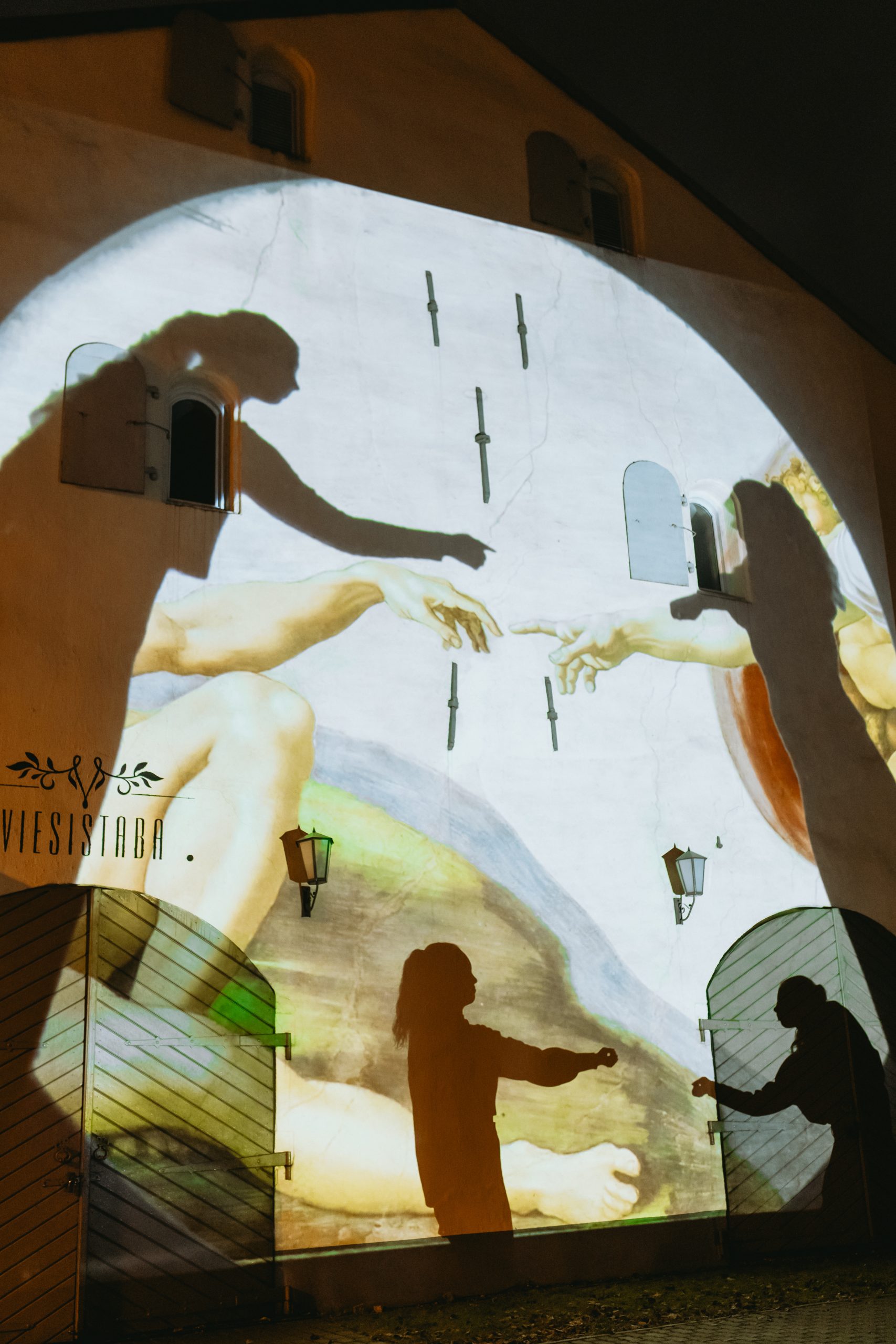
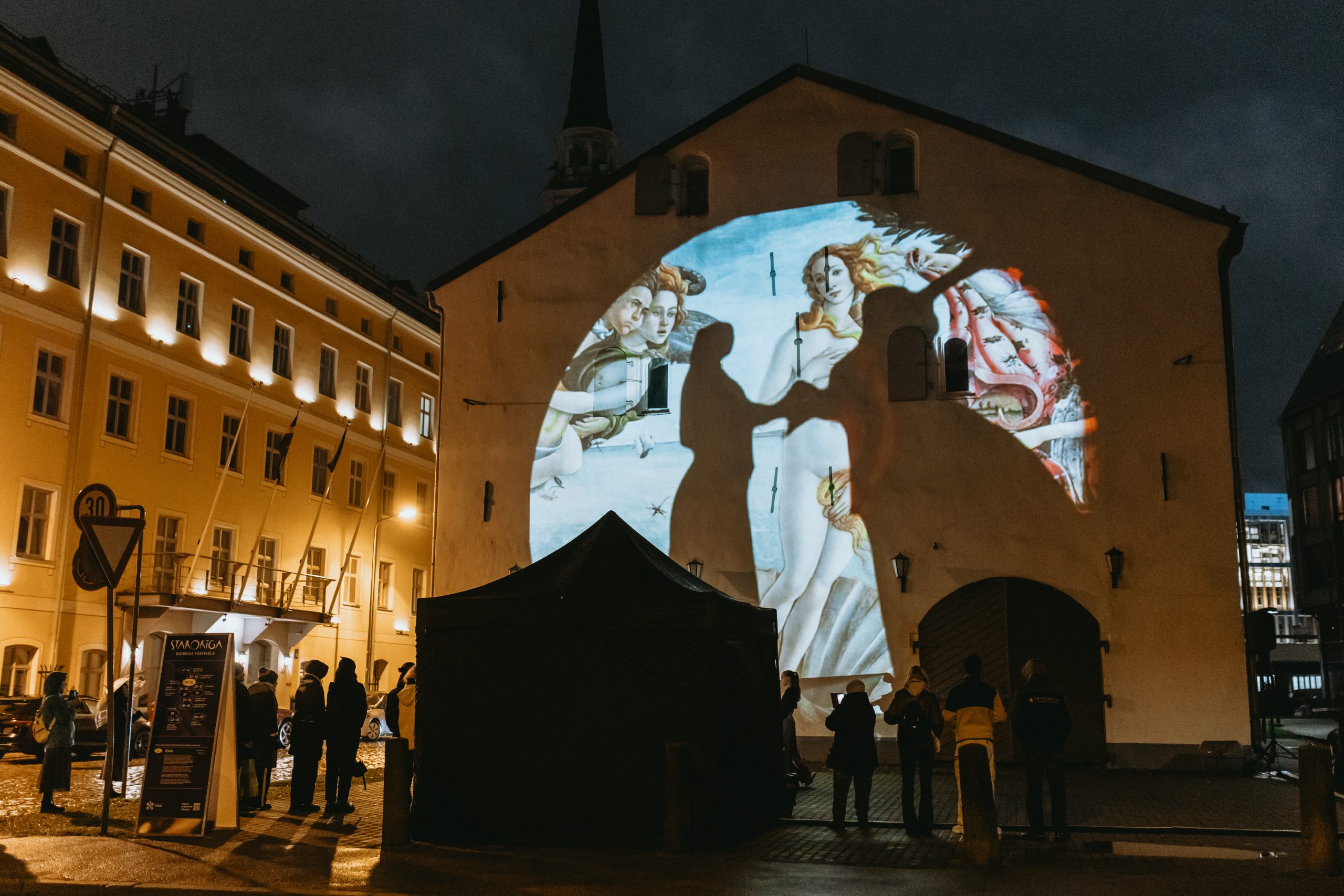
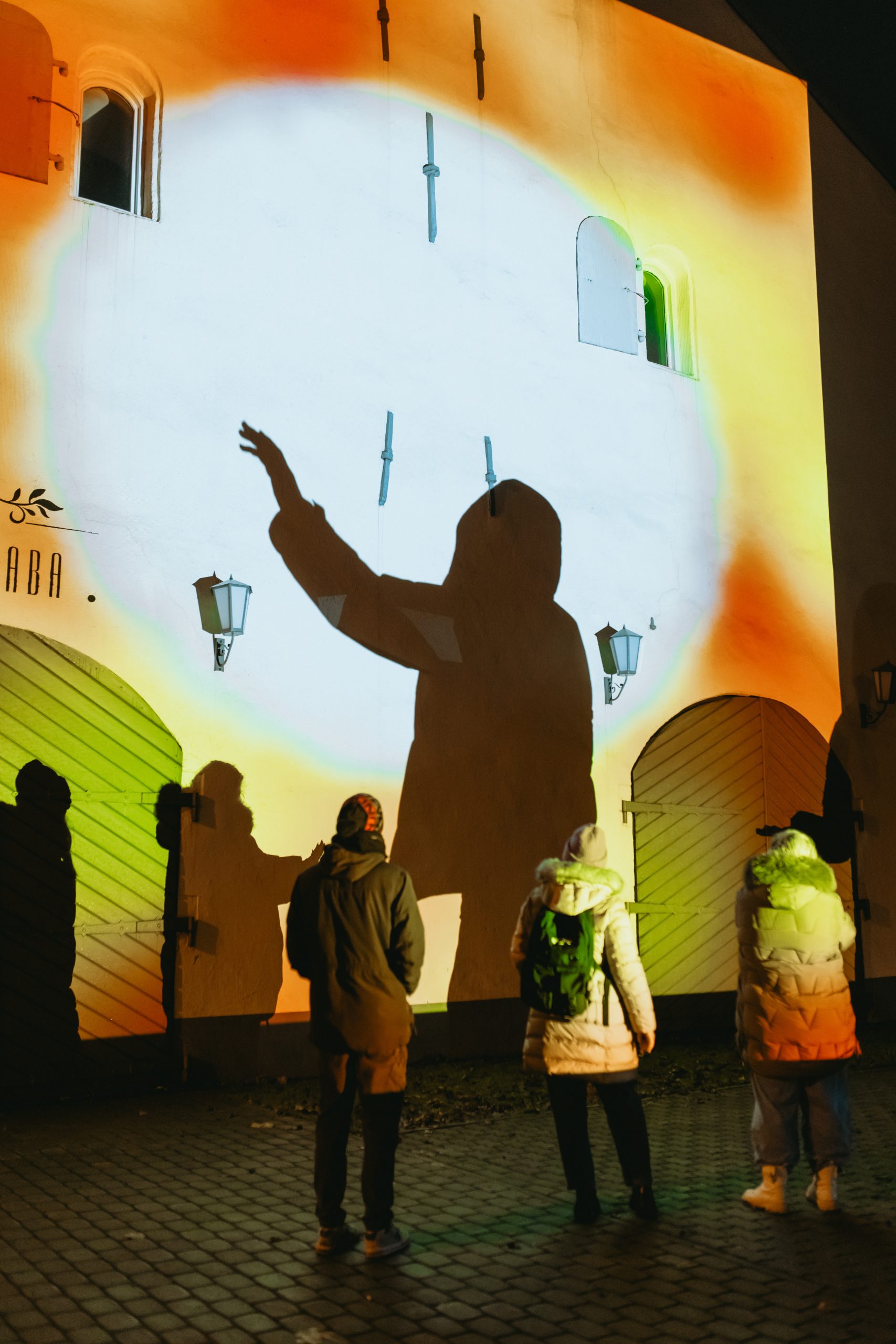
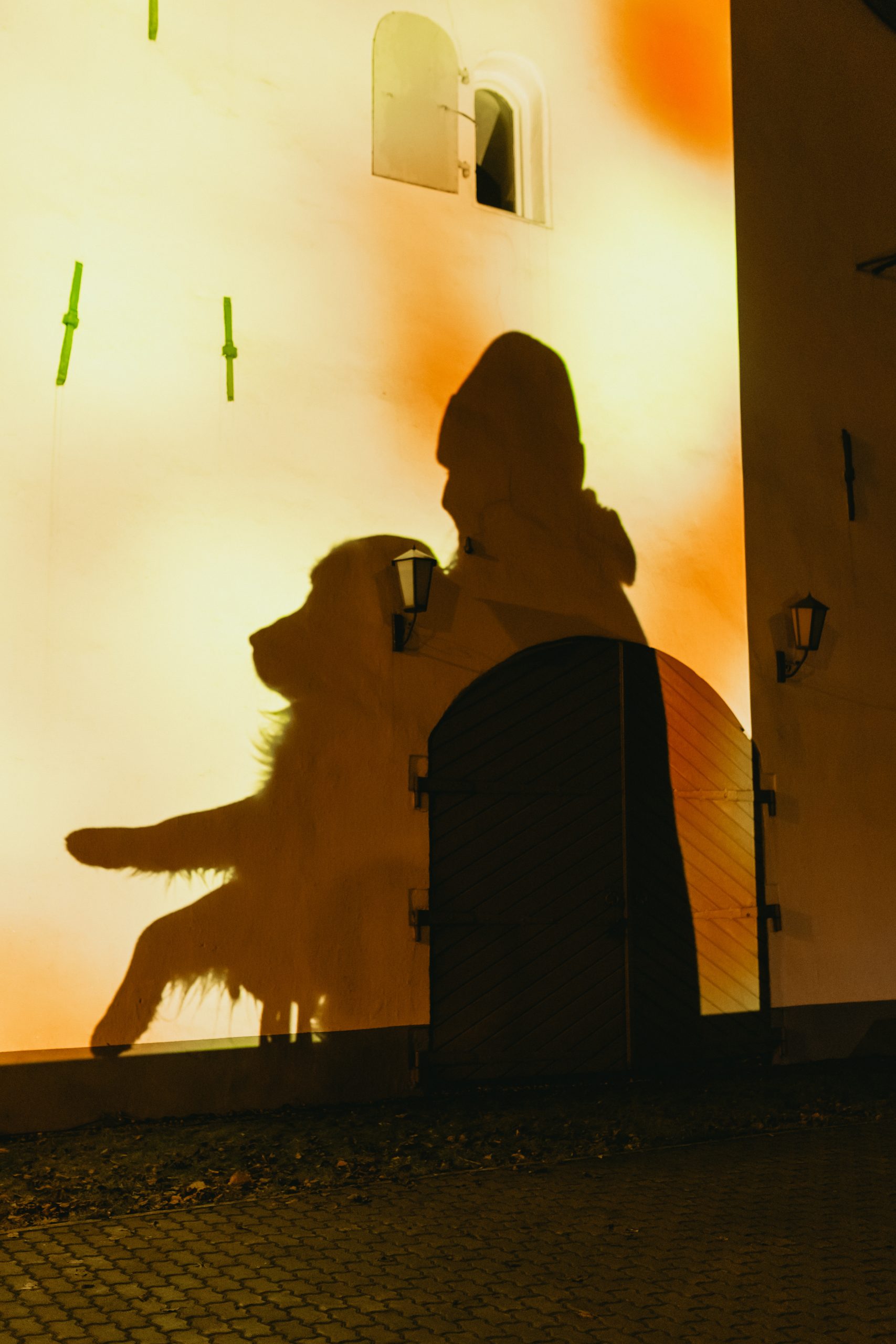
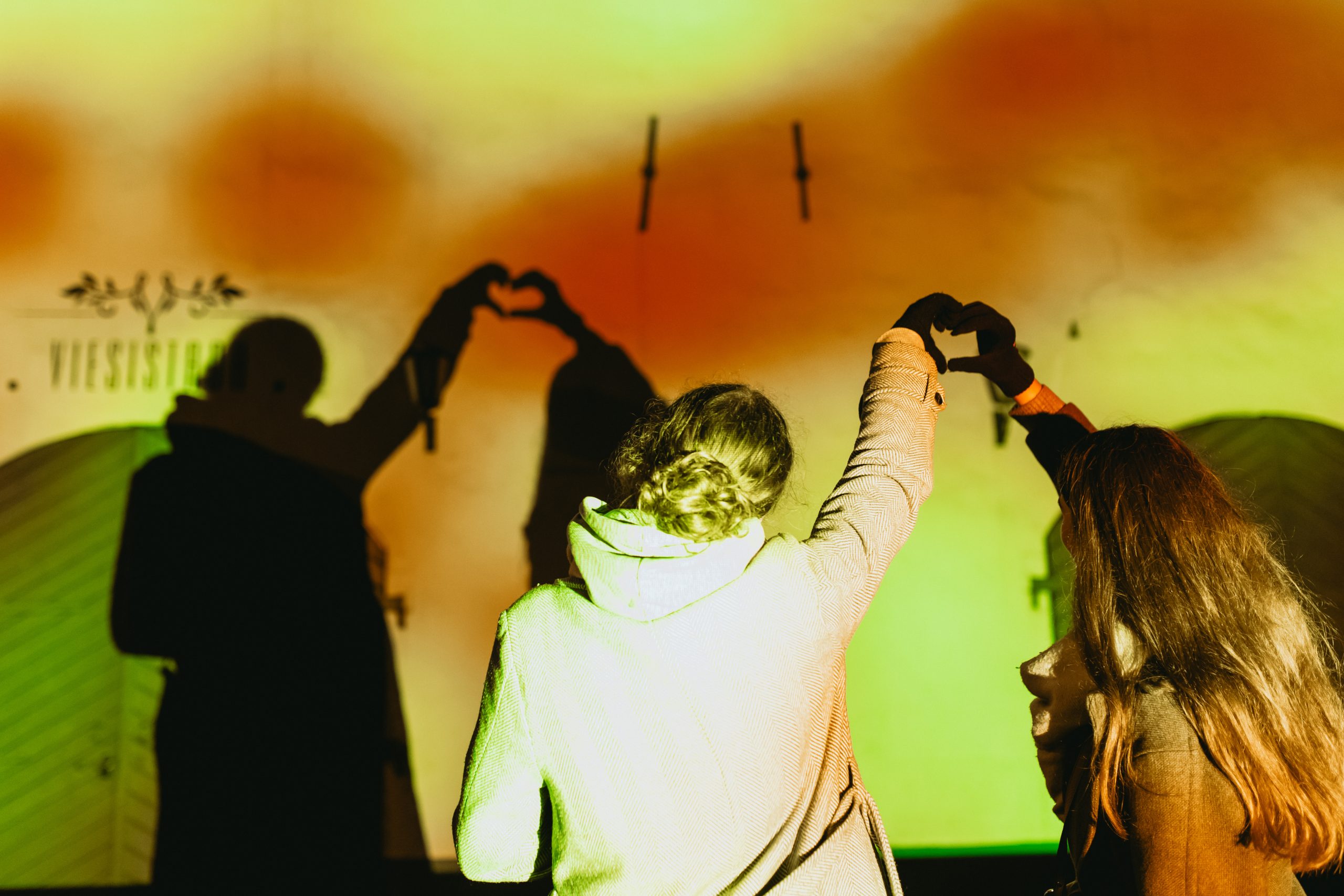
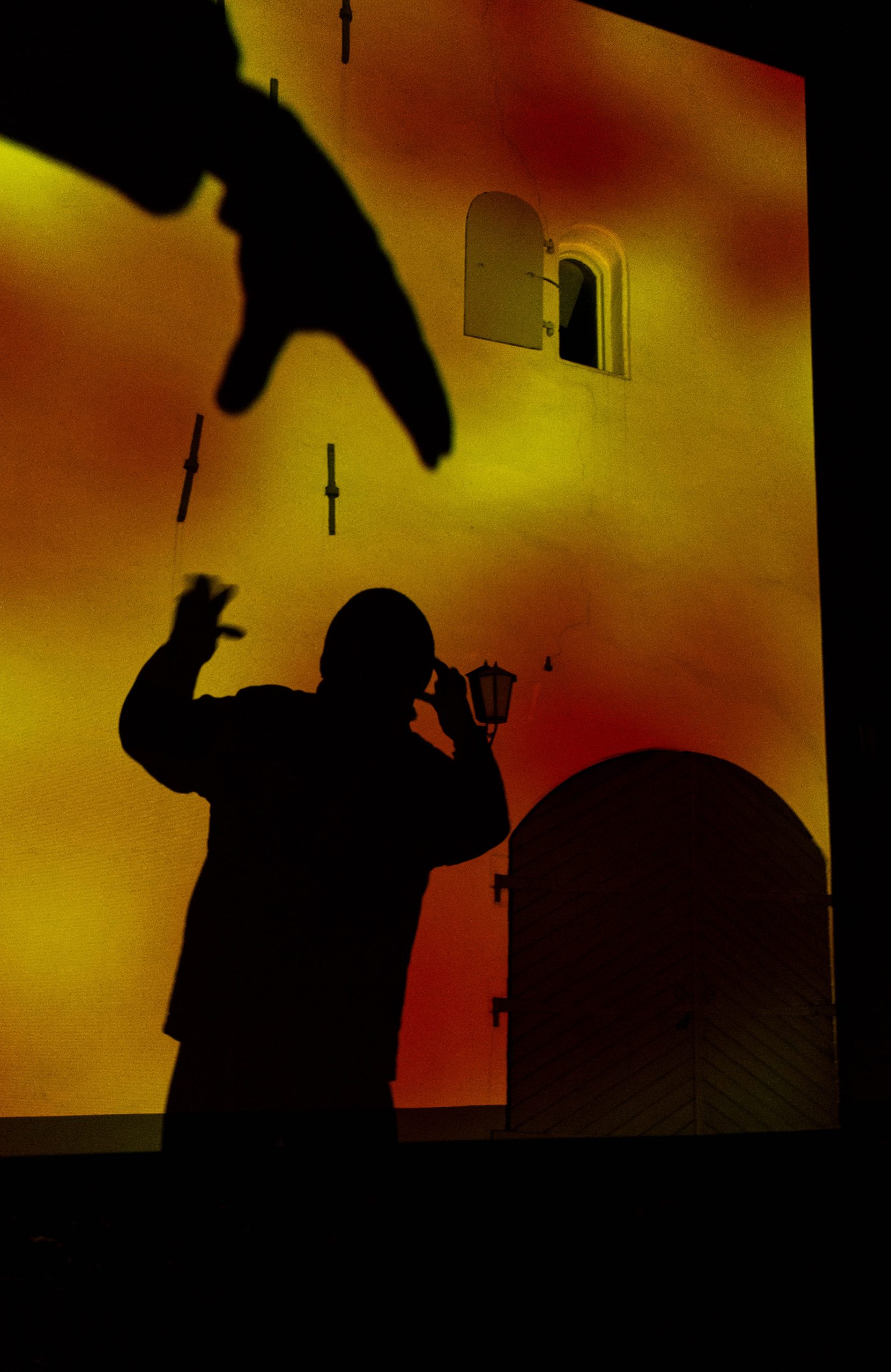
ENJOY THE MOMENT invited audiences to reflect on the importance of being present. Through an animated video projection, the installation highlighted how digital distractions can prevent us from appreciating the world around us.
The concept was developed by ACE²-EU students Catarina Henriques, Charchit Khandelwal, Duarte Pilré, Elena Willroider, Rafaela Alves and Mithra Karthikeyan. The installation was brought to life by LCC students Dinārs Bronka, Luiza Frančenko, Gustavs Jaunzemis, Anželika Kušņira, Roberts Lezdiņš, Undīne Makse, Henrijs Pļaviņš and Marta Trenko.
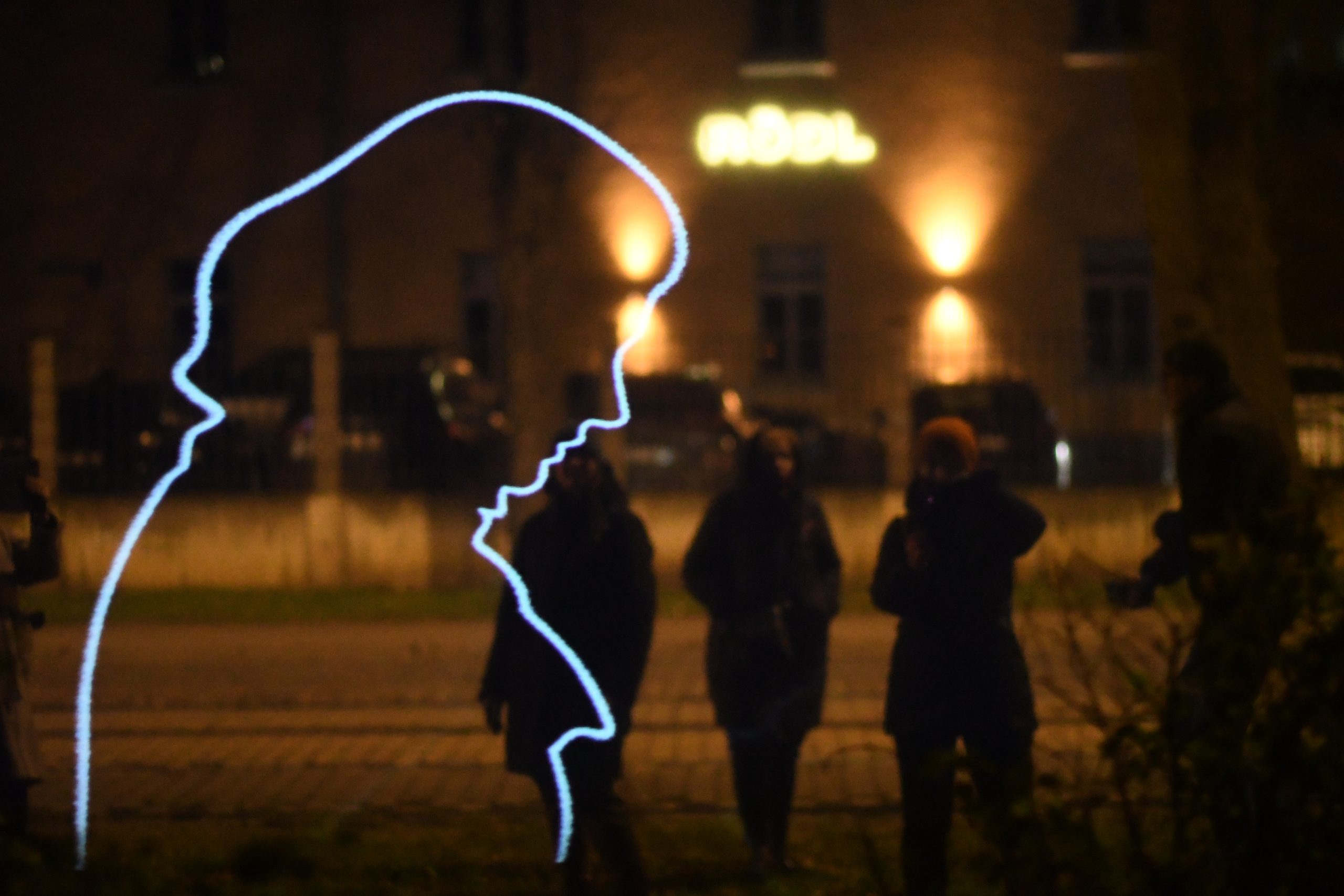
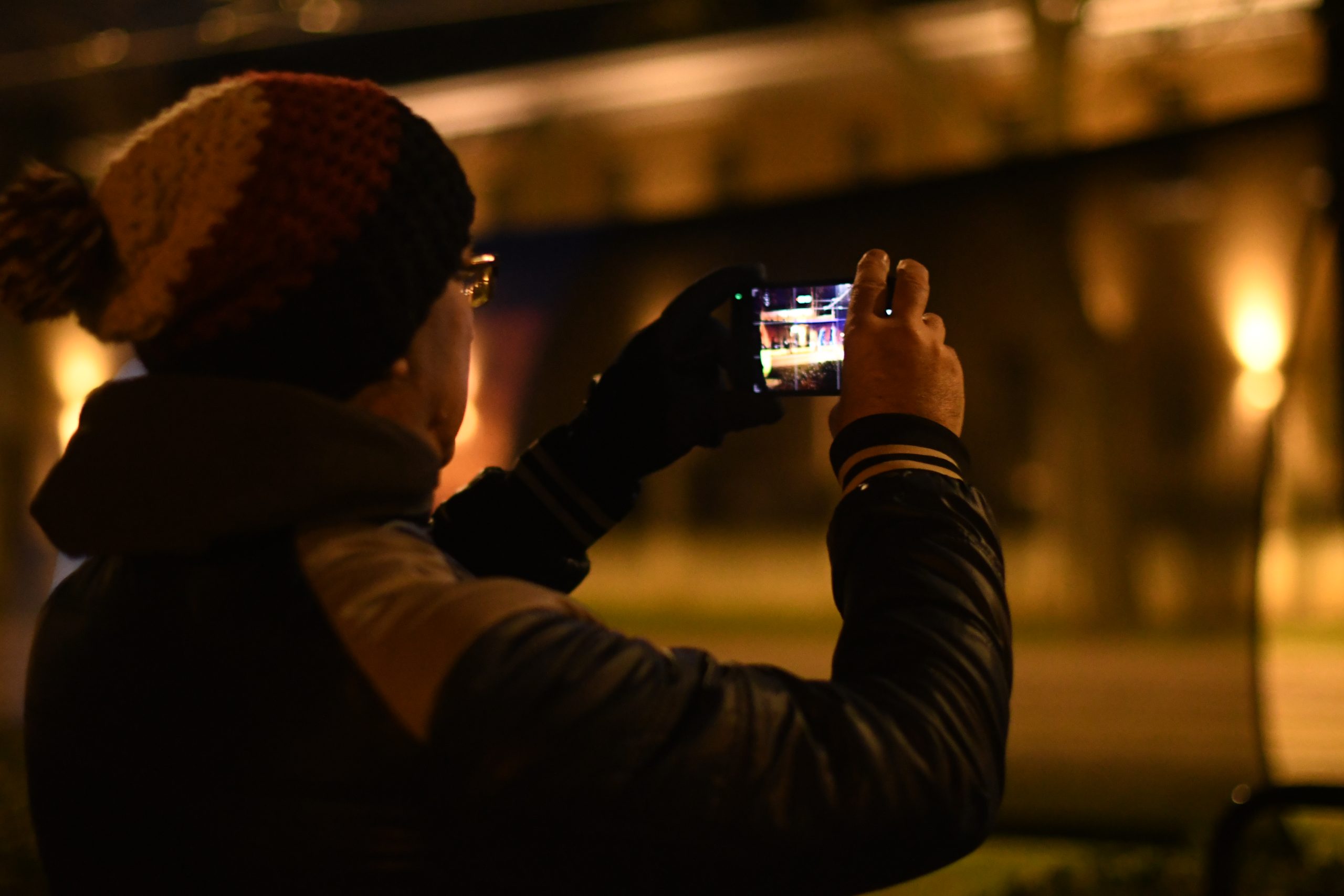
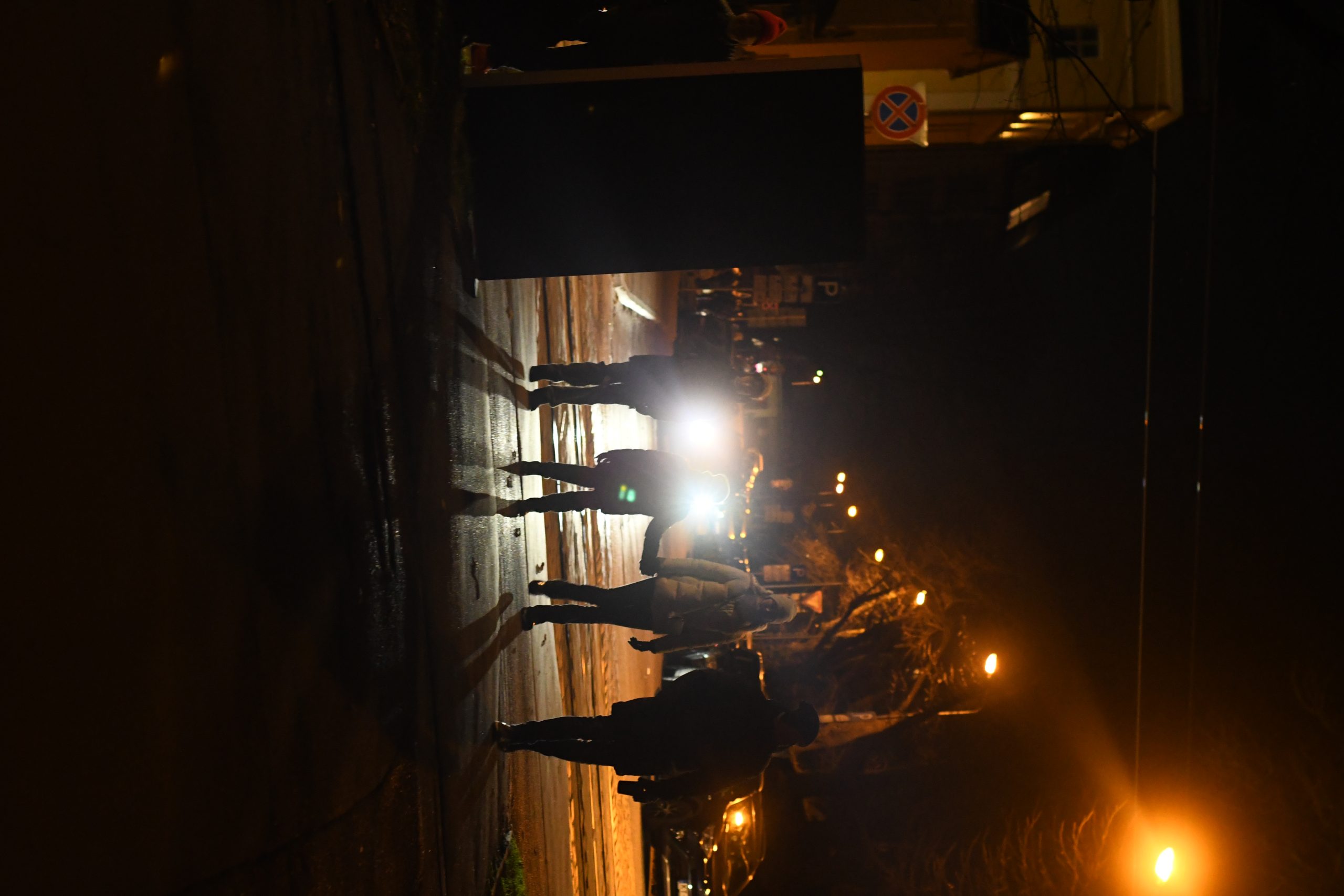
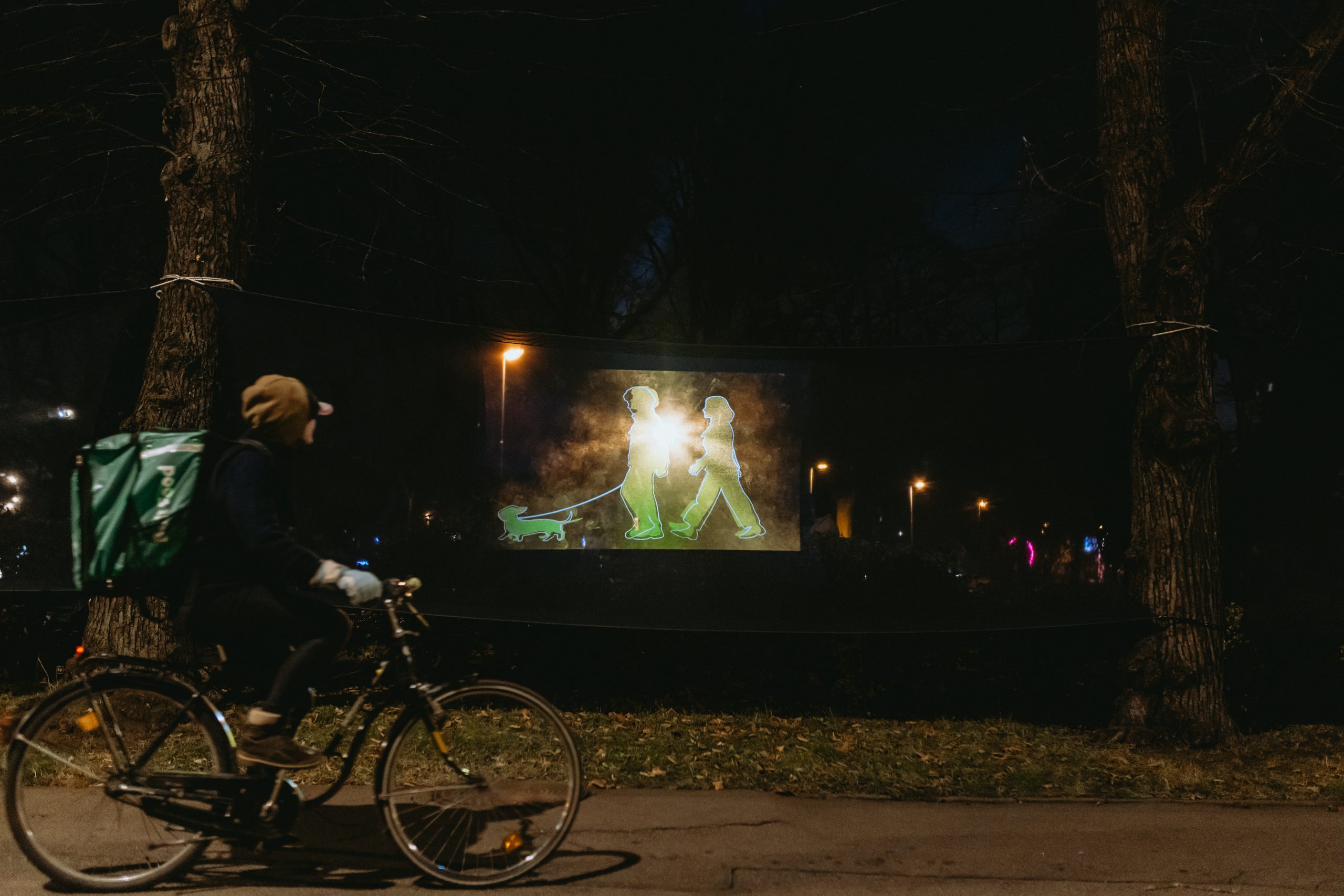
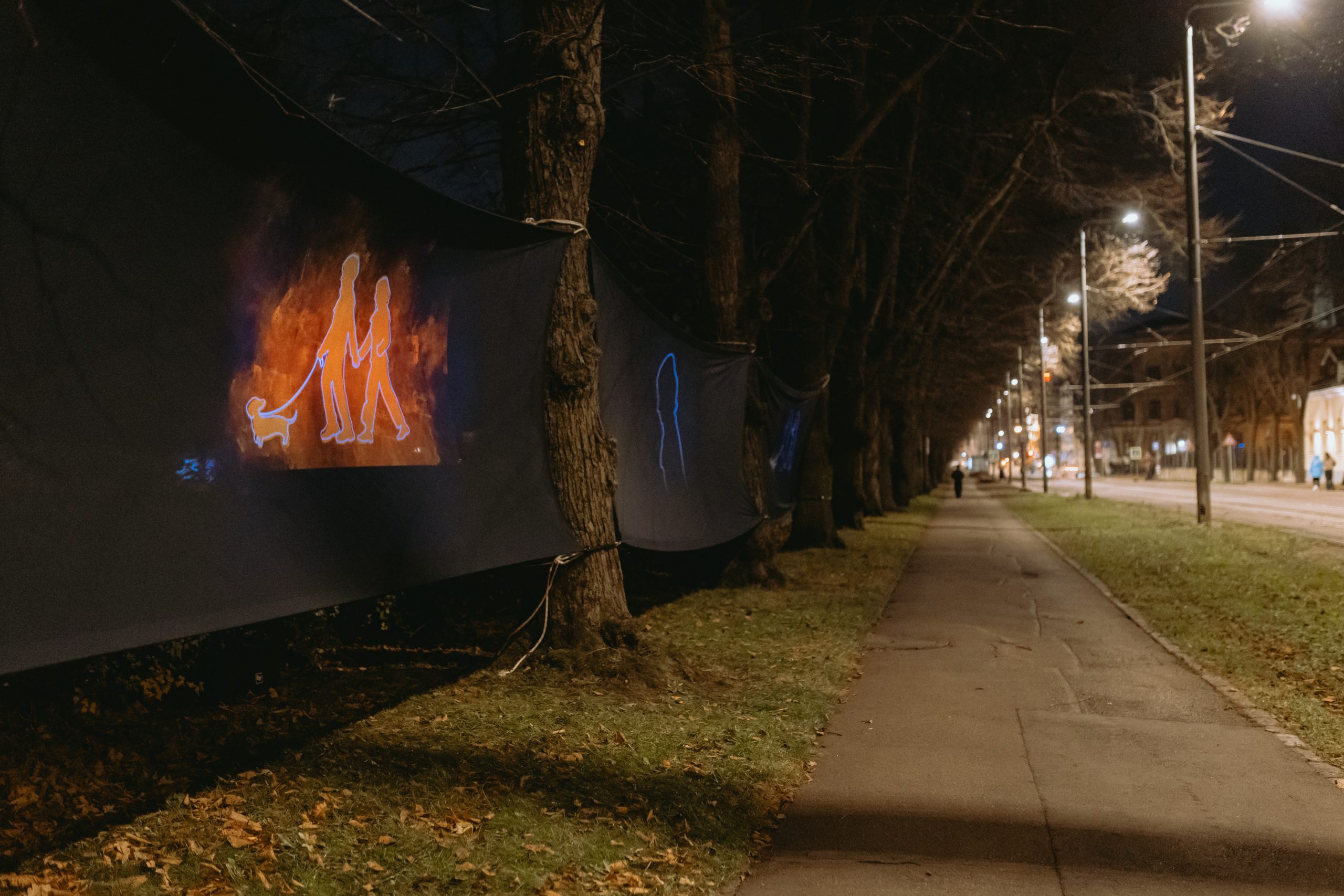
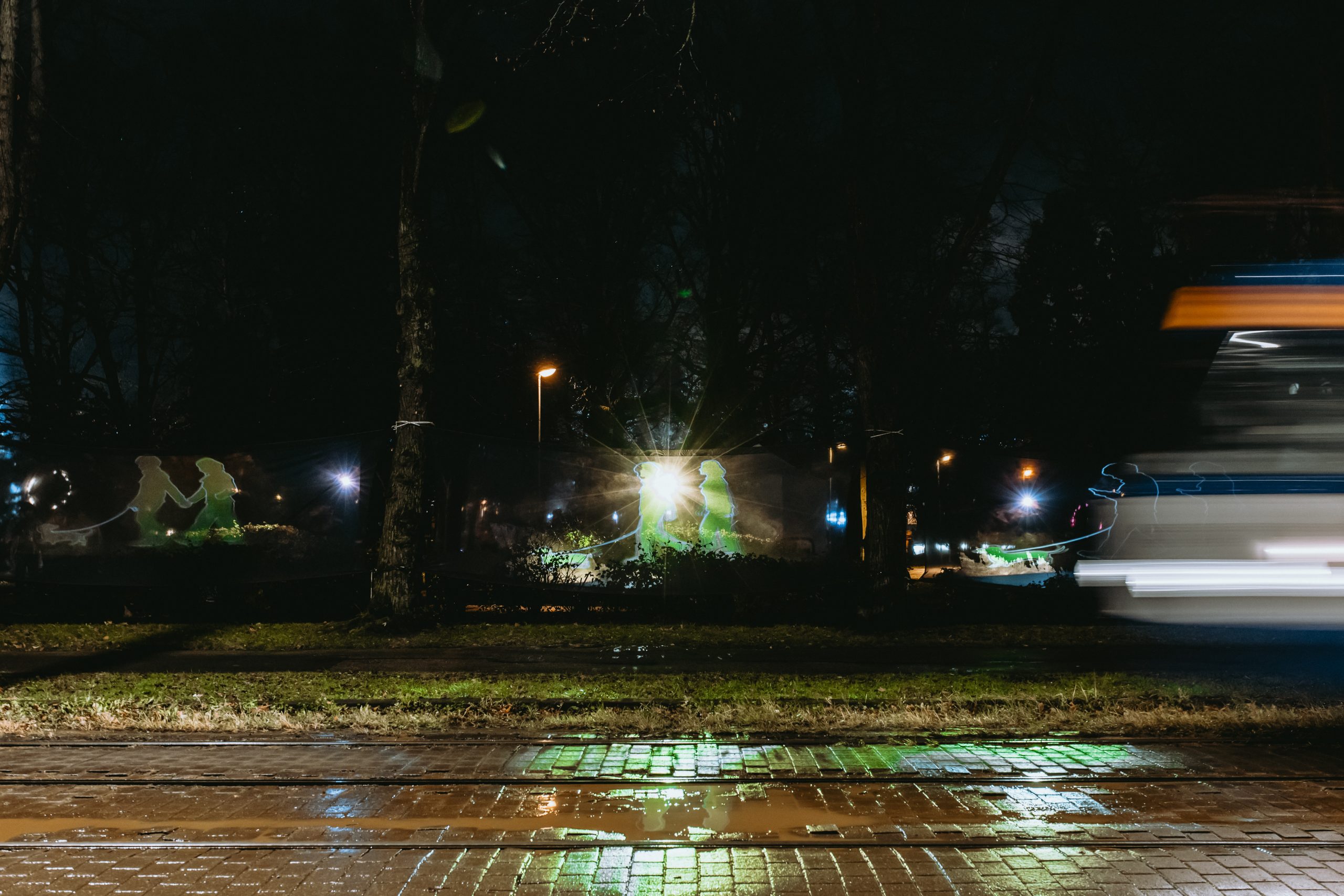
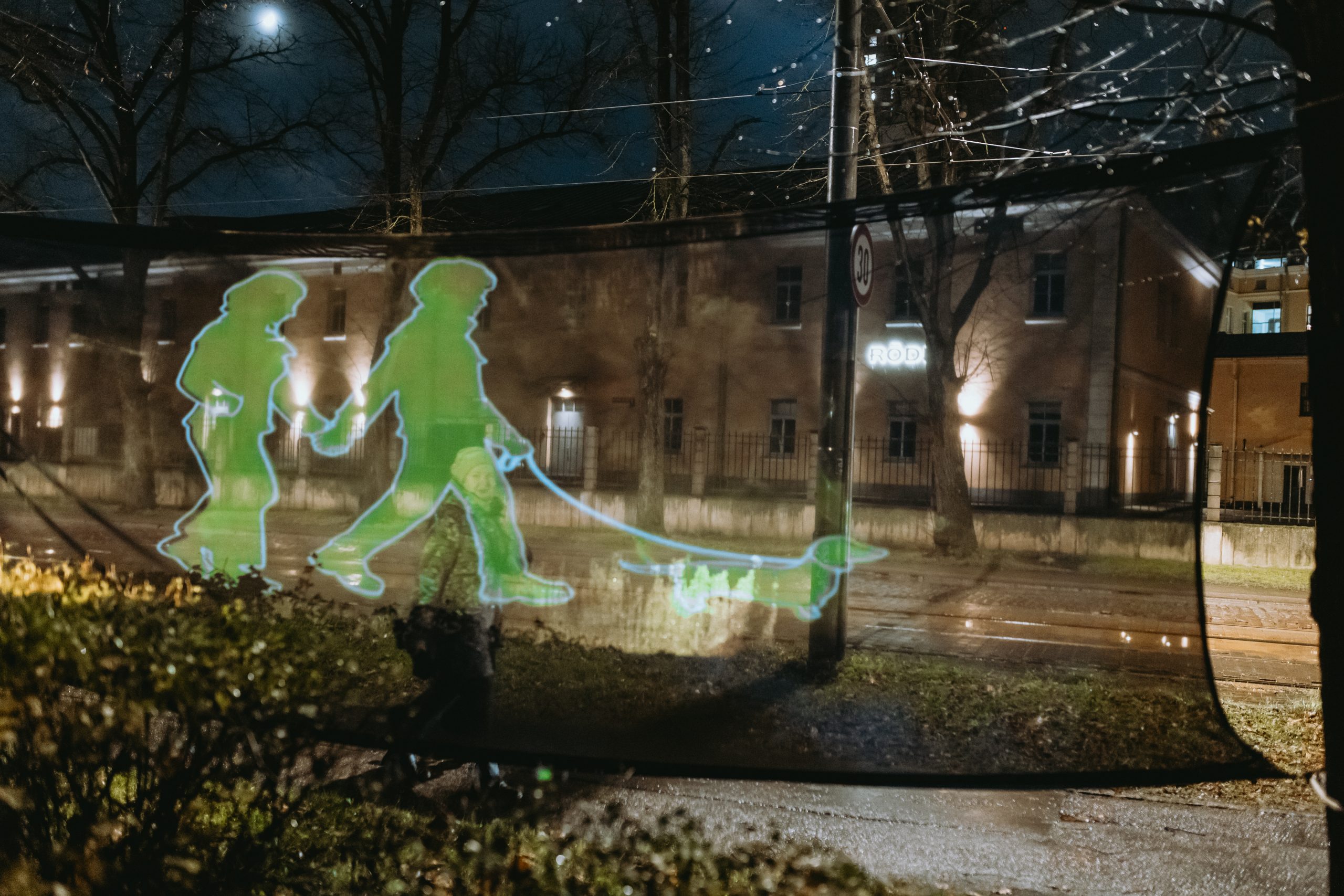
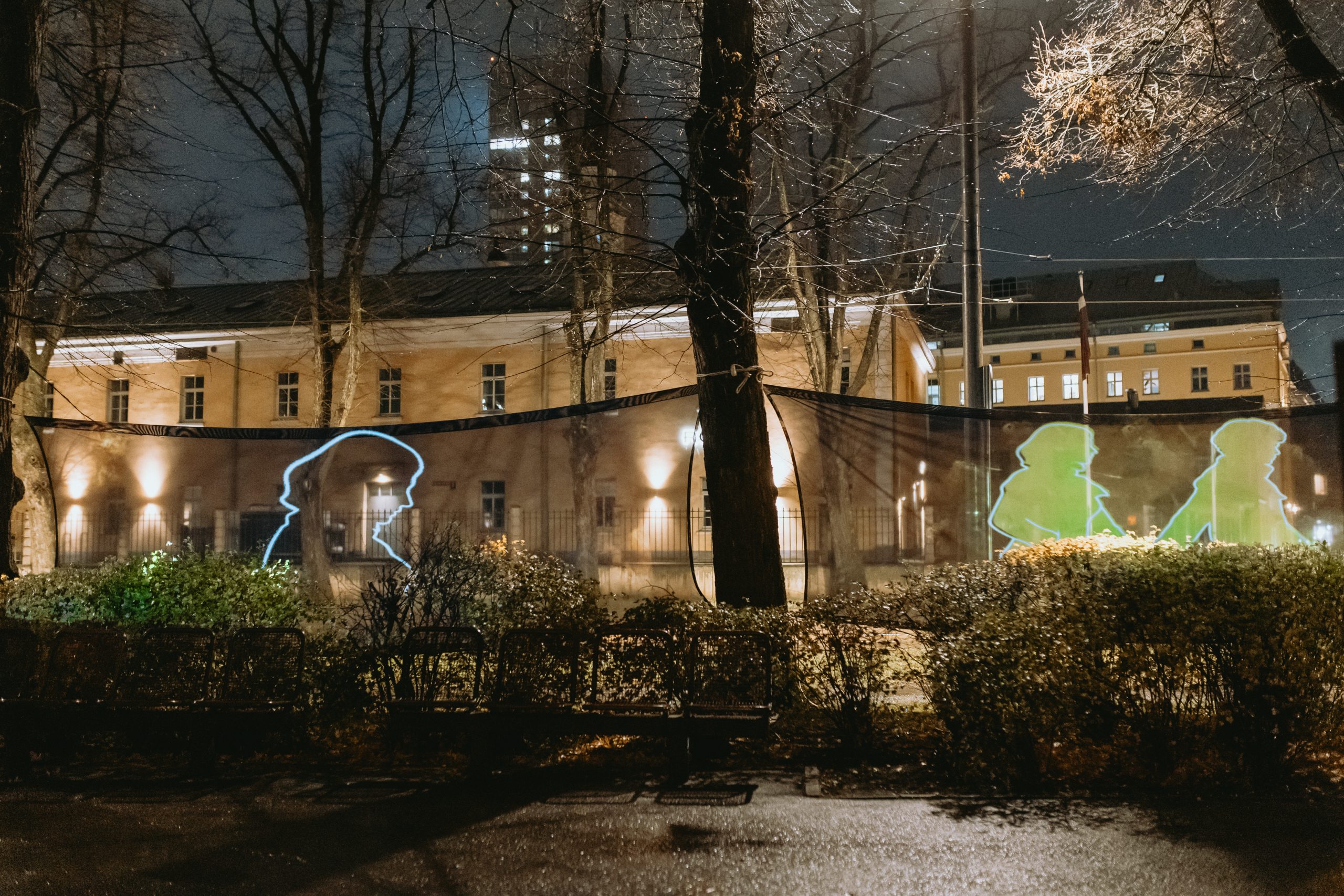
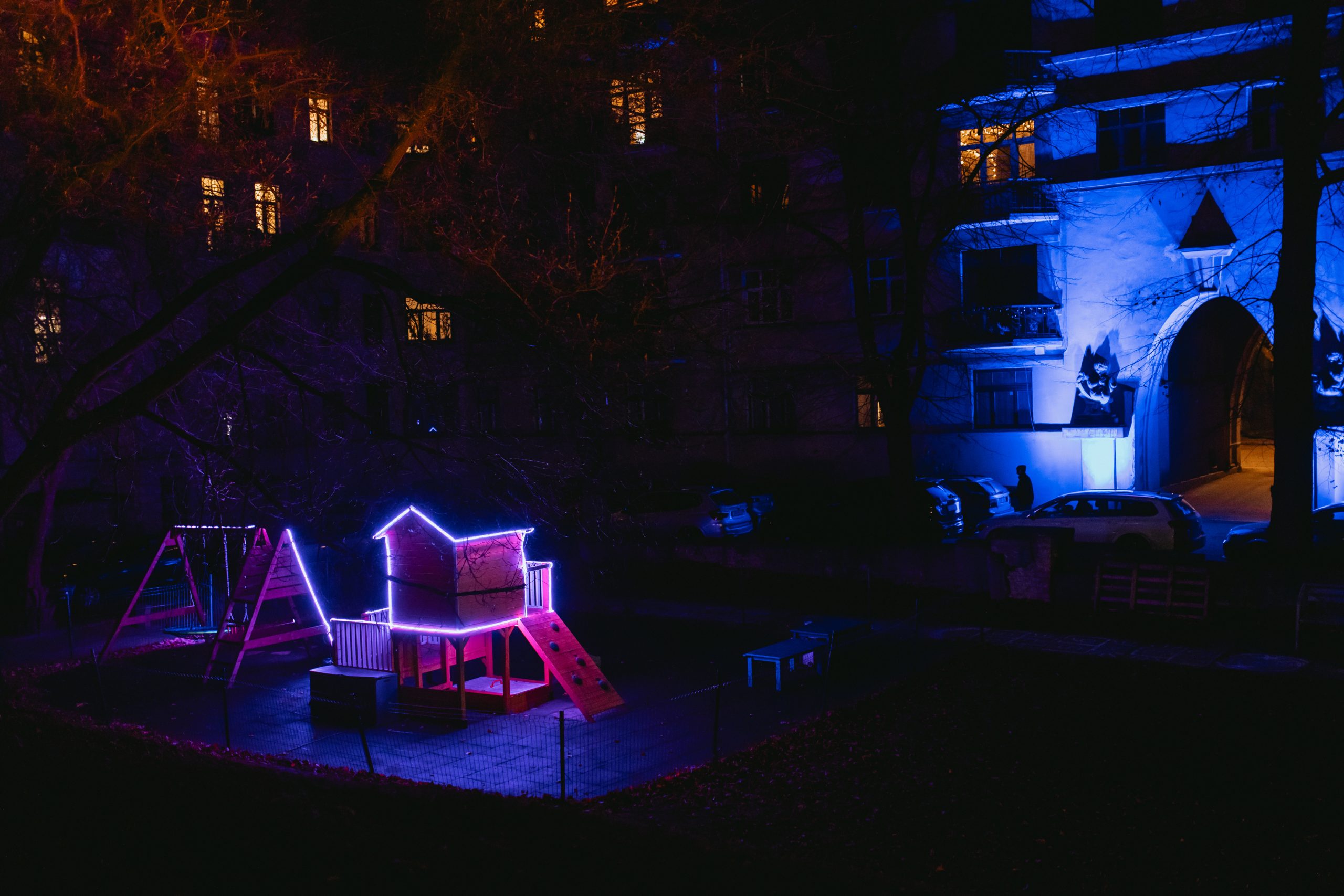
METAMORPHOSIS explored childhood memories, transformation and nostalgia through light, inviting visitors to reconnect with feelings of wonder and imagination.
The concept was developed by ACE²-EU students Kay Jansen, Shahana Jaleel, Leonor Pazos, Anna Taharasako, Marta Guz, Ana-Marija Miteva and Dharmesh Sutar. The installation was brought to life by LCC students Linda Geidāne, Izabella Ieraga, Terēze Anna Jadzeviča, Ash Jakimčuks, Rihards Krivošenoks, Brigita Reinsone and Liāna Strode.
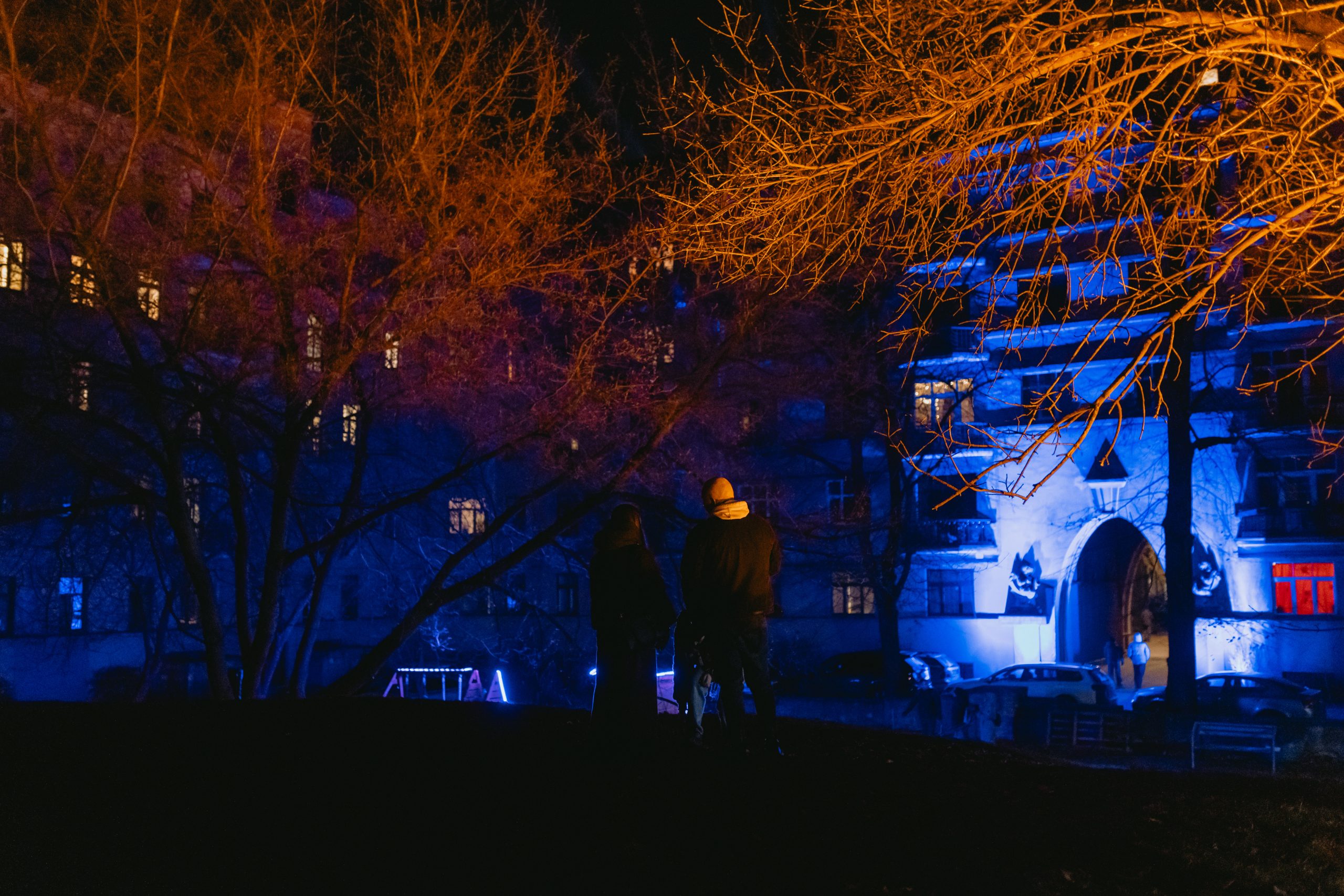
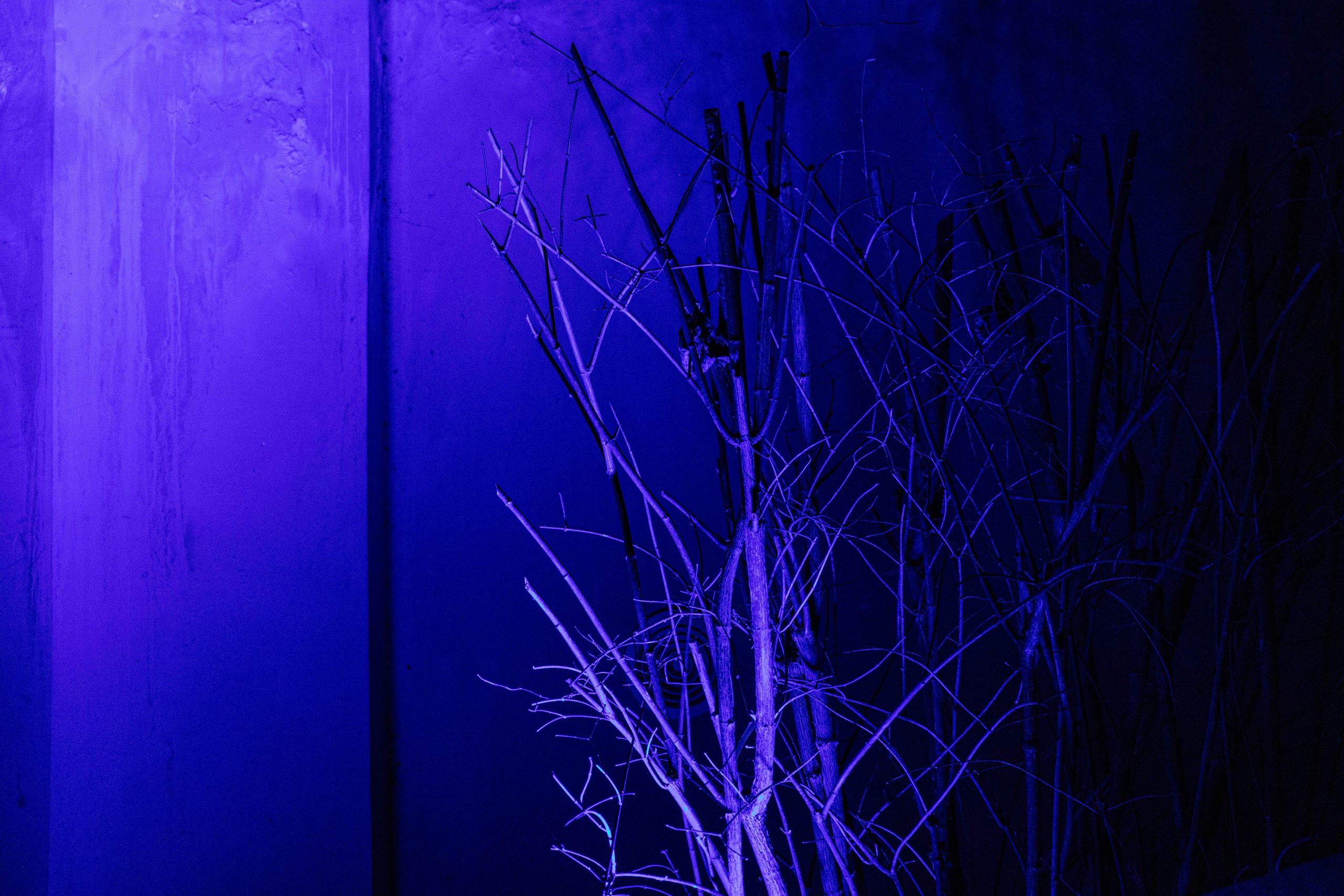
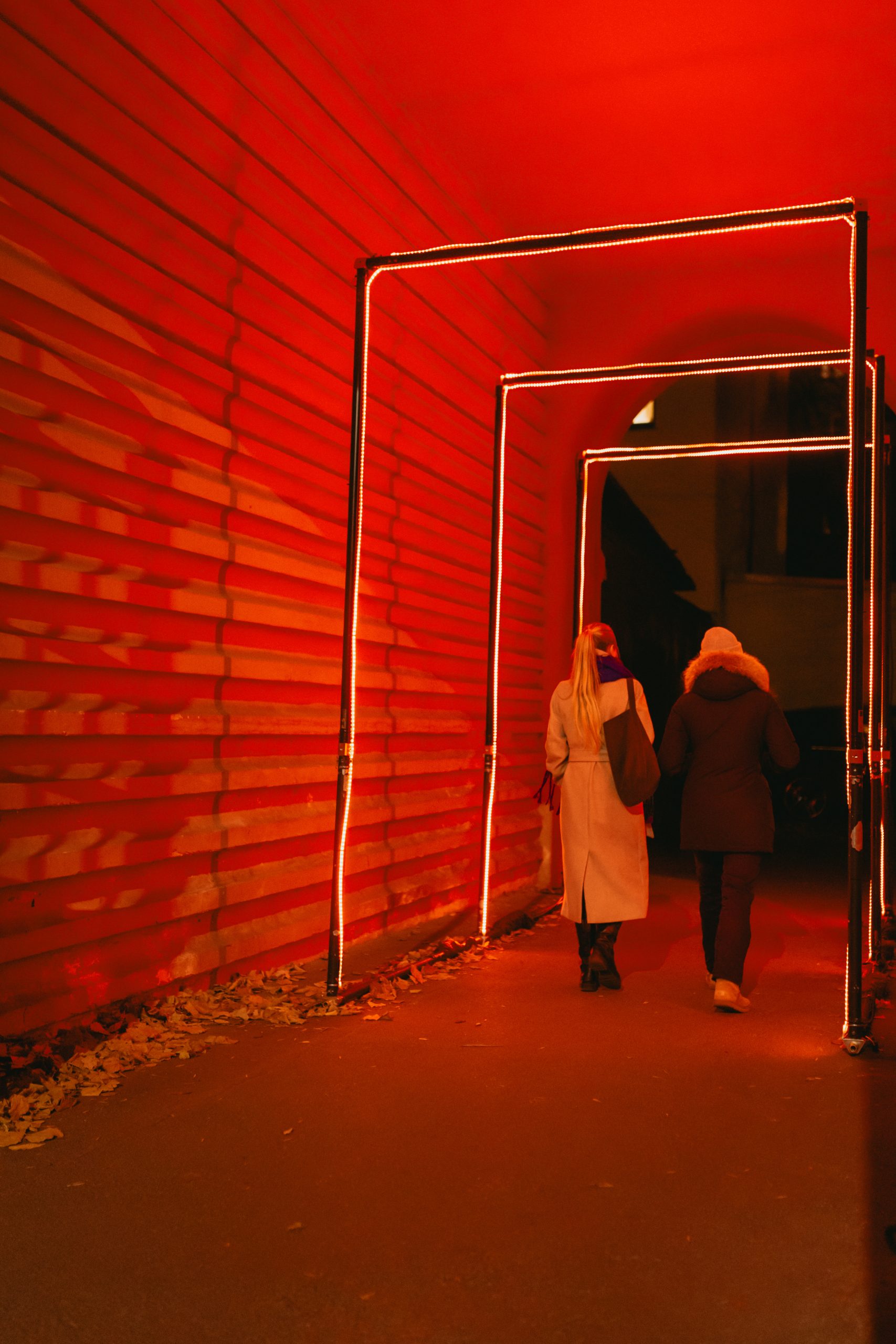
Together, the four installations demonstrated how international student collaboration can transform creative ideas into tangible artistic experiences. By combining concepts developed by ACE²-EU students with the practical and creative contributions of Latvian College of Culture students, the project transformed everyday urban spaces into opportunities for reflection, connection and participation.
Learning Beyond the Classroom
The presentation of these artworks at Staro Rīga marks an important outcome of the ACE²-EU approach to applied, interdisciplinary and challenge-based learning. Rather than remaining conceptual exercises, the students’ ideas reached a real audience and became part of Riga’s cultural life during Latvia’s Independence Day celebrations.
The project also demonstrated the value of cooperation between ACE²-EU partner universities, cultural institutions, creative professionals and local students, connecting international education with tangible outcomes for the community.
From the first sketches developed during the Flavour School to illuminated installations in Riga’s streets and parks, the project illustrates how ACE²-EU empowers students to turn creative ideas into real-world impact.
The Staro Rīga Light Festival took place from 15 to 18 November 2026, featuring 52 light installations across the Latvian capital. The festival traditionally attracts more than 250,000 visitors annually, offering an exceptional platform for student creativity to reach a broad international audience.
Photo: Students of the Latvian College of Culture
Funded by the European Union. Views and opinions expressed are, however, those of the author(s) only and do not necessarily reflect those of the European Union or the European Education and Culture Executive Agency (EACEA). Neither the European Union nor EACEA can be held responsible for them. Project No. 101177596.