
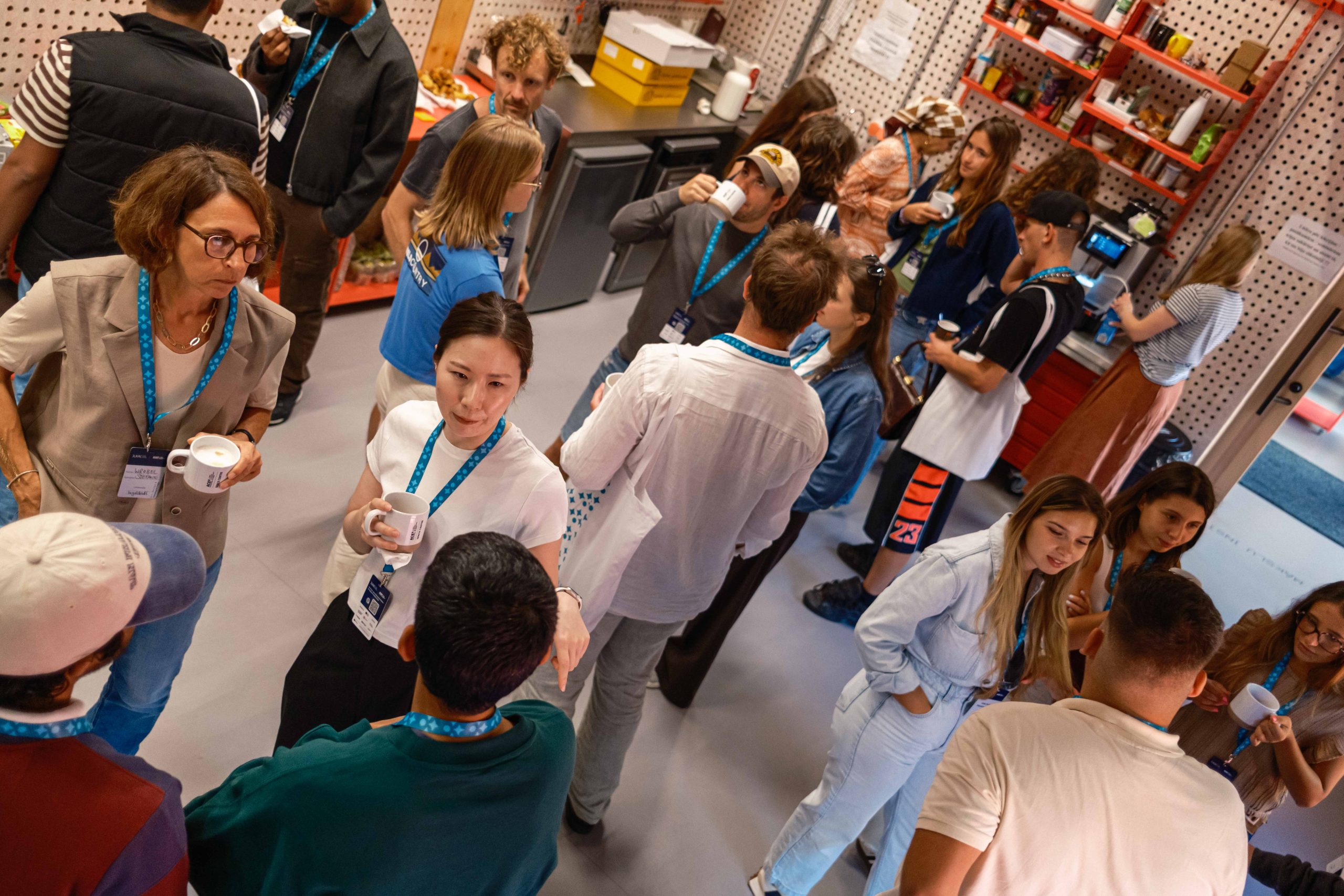
This week, 47 students from all nine ACE²-EU partner universities have come together in Riga for the microlearning programme “Urban Future Public Space LAB: Art, Design and Technology for People”, organised by the Latvian Academy of Culture in cooperation with the “Staro Rīga” light festival.
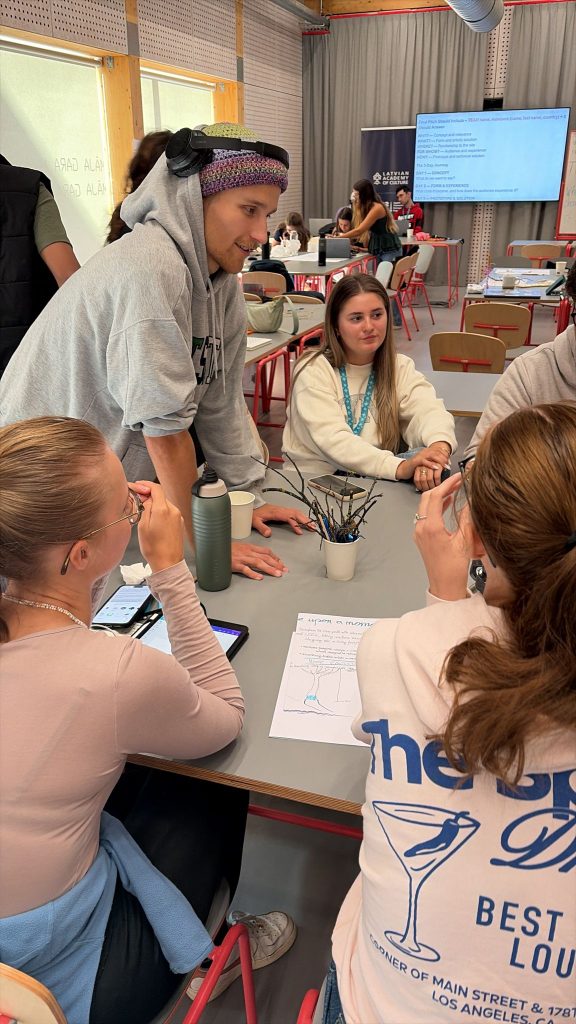
Working in international and interdisciplinary teams, students are exploring Riga’s urban environment and developing ideas for light-based artworks in public space. From sensory mapping and conversations with local residents to concept development, technical planning and prototyping, the five-day programme takes participants through different stages of the creative process. For the students, the LAB is also an opportunity to step outside their usual fields of study and experience how ideas develop through collaboration across disciplines and cultures.
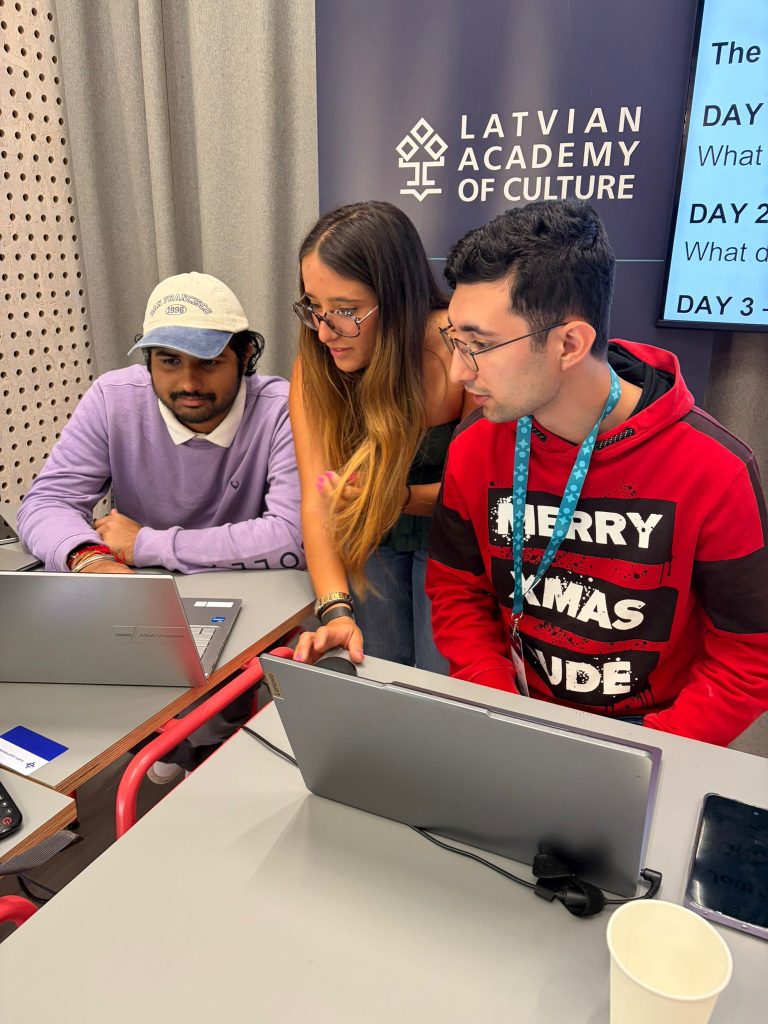
Duarte, a management student at Santarém Polytechnic University in Portugal, chose the programme precisely because it offered an opportunity to explore a field outside his usual academic environment: “I had never travelled to this part of Europe before, and I was also interested in exploring the creative side of the programme. I am not an artist, but I enjoy cinema, so the opportunity to experiment with light, sound and artistic ideas was particularly appealing to me.”
Being involved in the development process has also changed his perspective on the work behind creative projects: “One of the main things I have learned is how much work can be hidden behind something that appears simple. Sometimes you look at the final result and imagine that it took only a couple of hours to create, but once you become involved in the process, you realise that it may actually represent a week of work.”
For Duarte, working in an international and interdisciplinary team has been another important part of the experience: “I really enjoy thinking outside the box and hearing ideas from people from different countries, cultures and disciplines. Everyone brings a different perspective, and that makes the experience very valuable.”
Funded by the European Union. Views and opinions expressed are, however, those of the author(s) only and do not necessarily reflect those of the European Union or the European Education and Culture Executive Agency (EACEA). Neither the European Union nor the granting authority can be held responsible for them. Project No. 101177596.