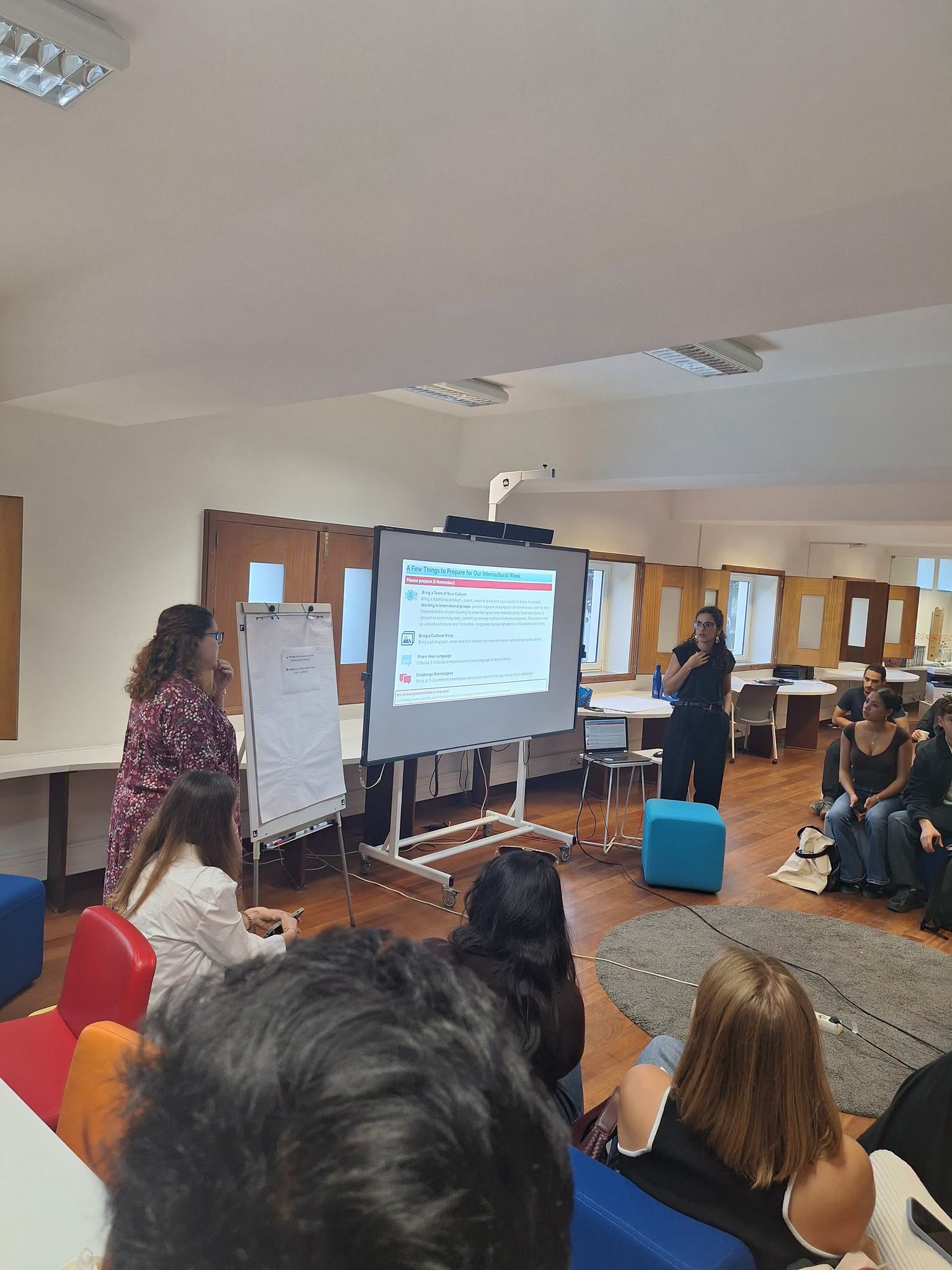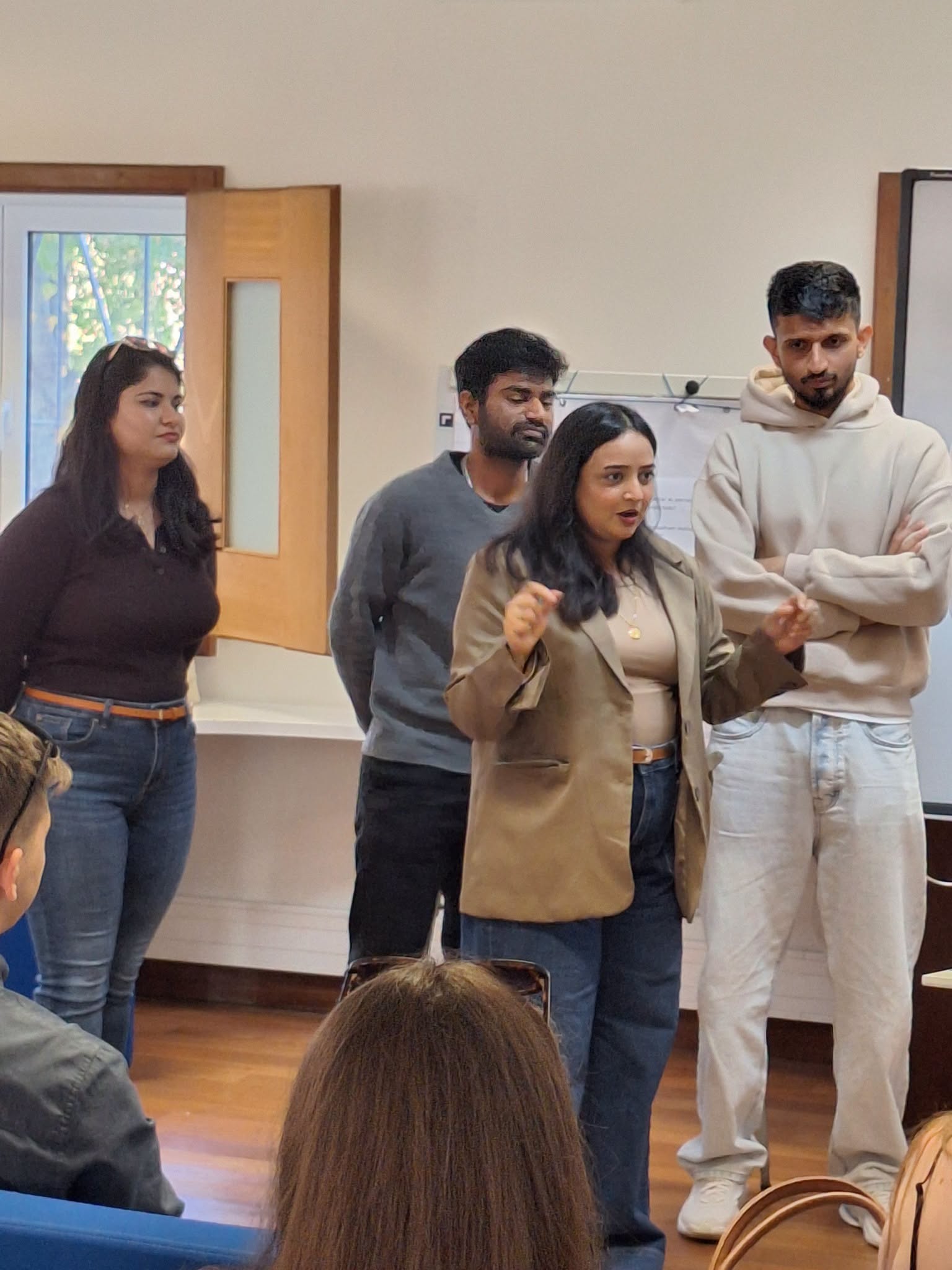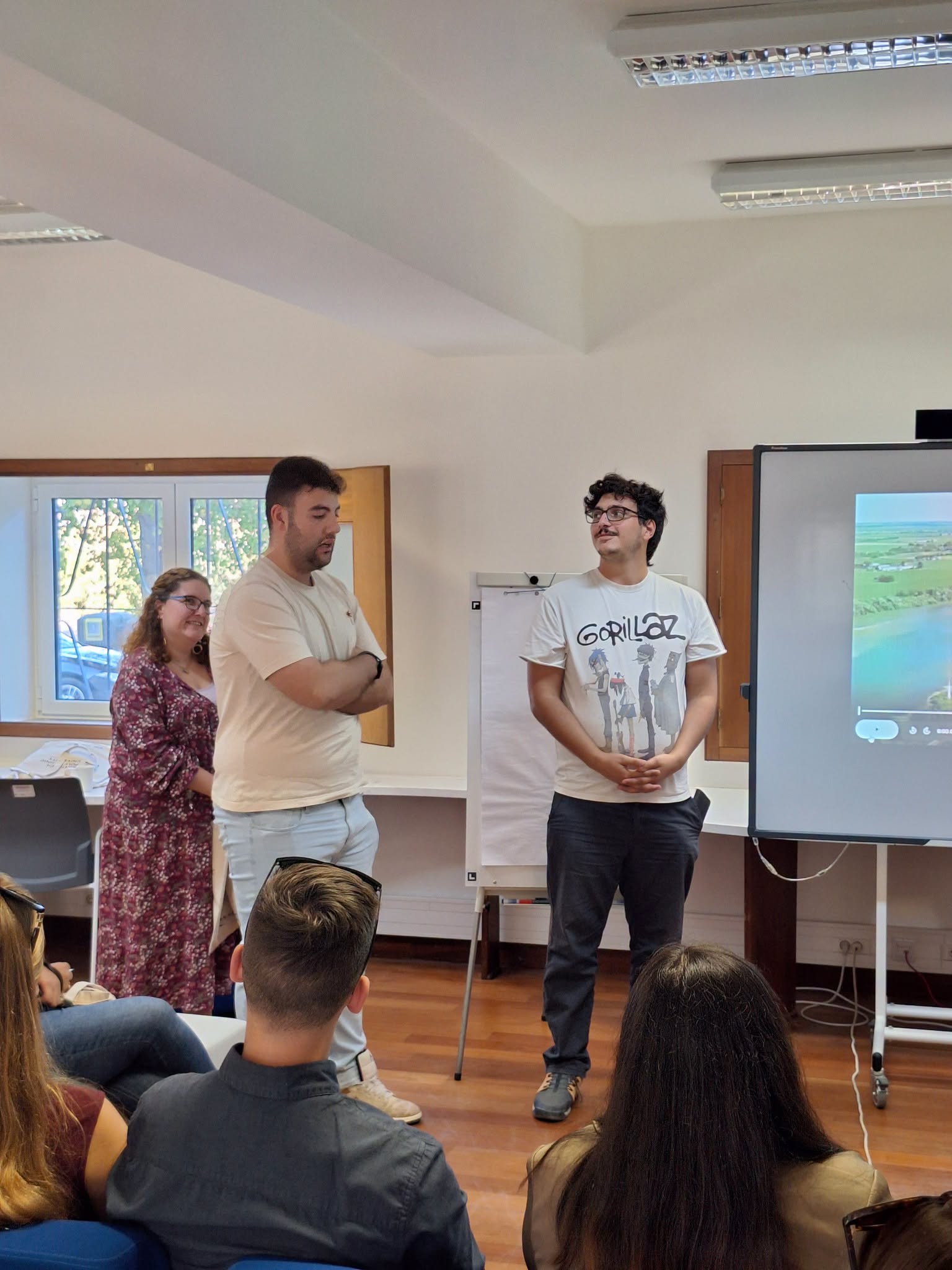
From 2 to 6 November 2026, Santarém Polytechnic University in Portugal is hosting the ACE²-EU Flavour School “Migration and Racism: Interculturality in a Changing Europe”, bringing together students from across the ACE²-EU alliance to explore migration, cultural diversity, social inclusion and the challenges of racism in contemporary Europe.
The programme aims to foster intercultural understanding, critical thinking and international cooperation through a combination of interactive workshops, discussions, field visits and collaborative activities.
Exploring Migration and Interculturality in Europe
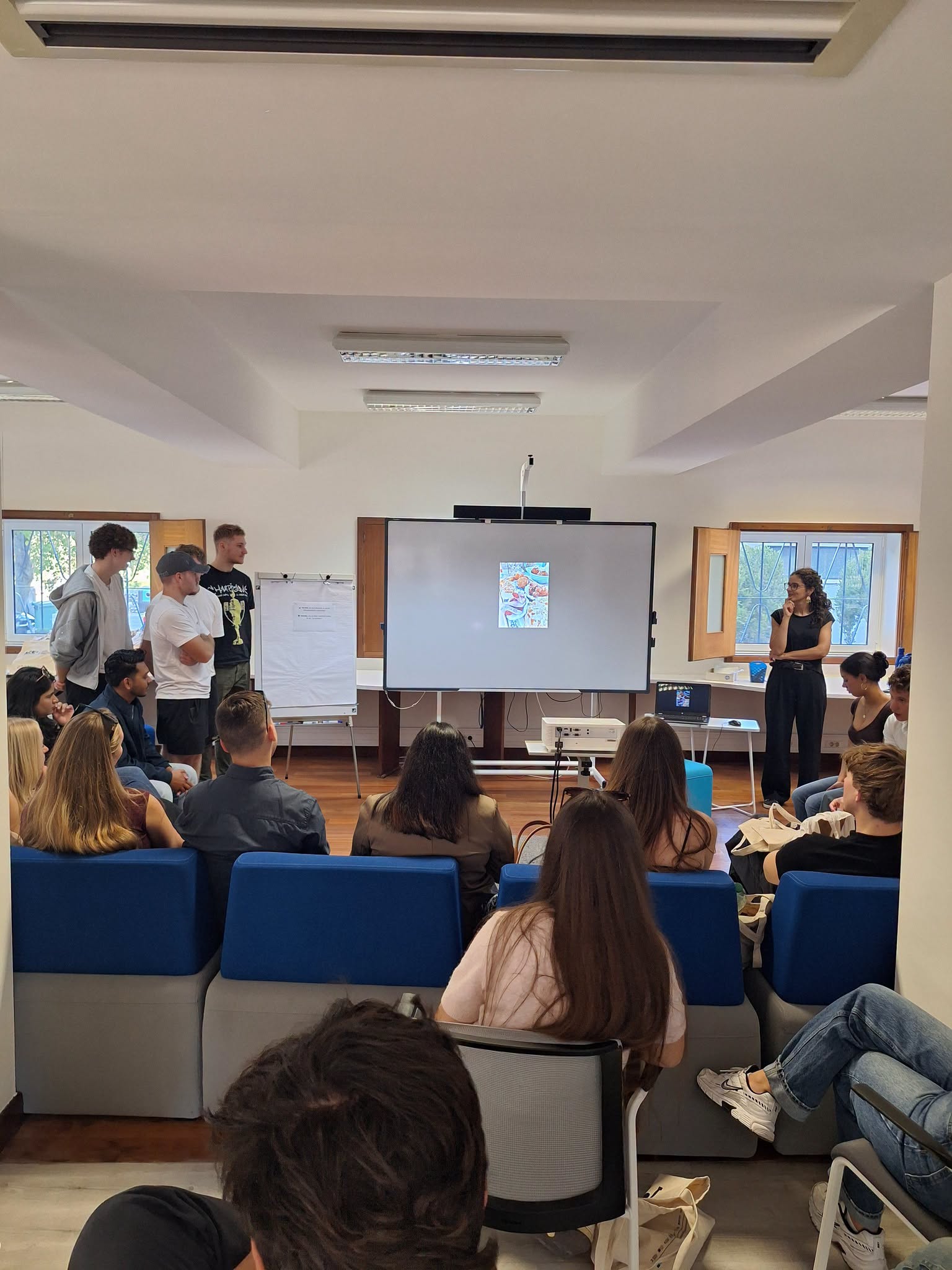
Following an introductory online session on 27 October, the on-site programme officially began on 2 November with a welcome session and the establishment of International Reflection Circles, facilitated by lecturers Lia Pappámikail and Tatiana Ferreira. These groups provide participants with opportunities to exchange perspectives, reflect on their experiences and explore intercultural challenges in an international learning environment.
The opening day also featured an introduction to the Social Impactors initiative by Cláudia Ribeiro, followed by a session on demographic challenges and migration in Europe, delivered by Stefanie Putz from Carinthia University of Applied Sciences in Austria.
Discovering Lisbon Through an Intercultural Perspective
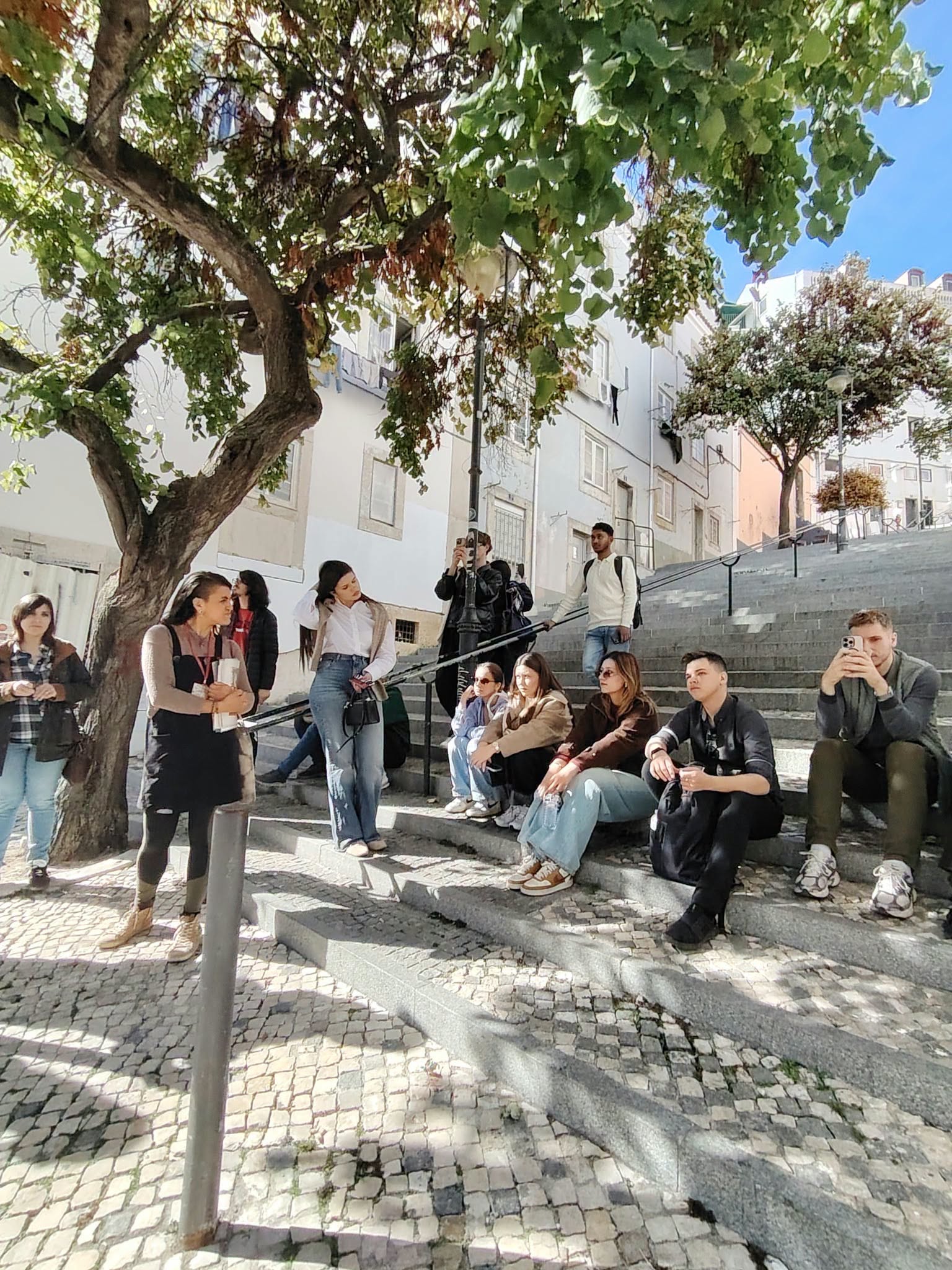
On 3 November, participants travelled to Lisbon for a day of practical learning and intercultural exploration.
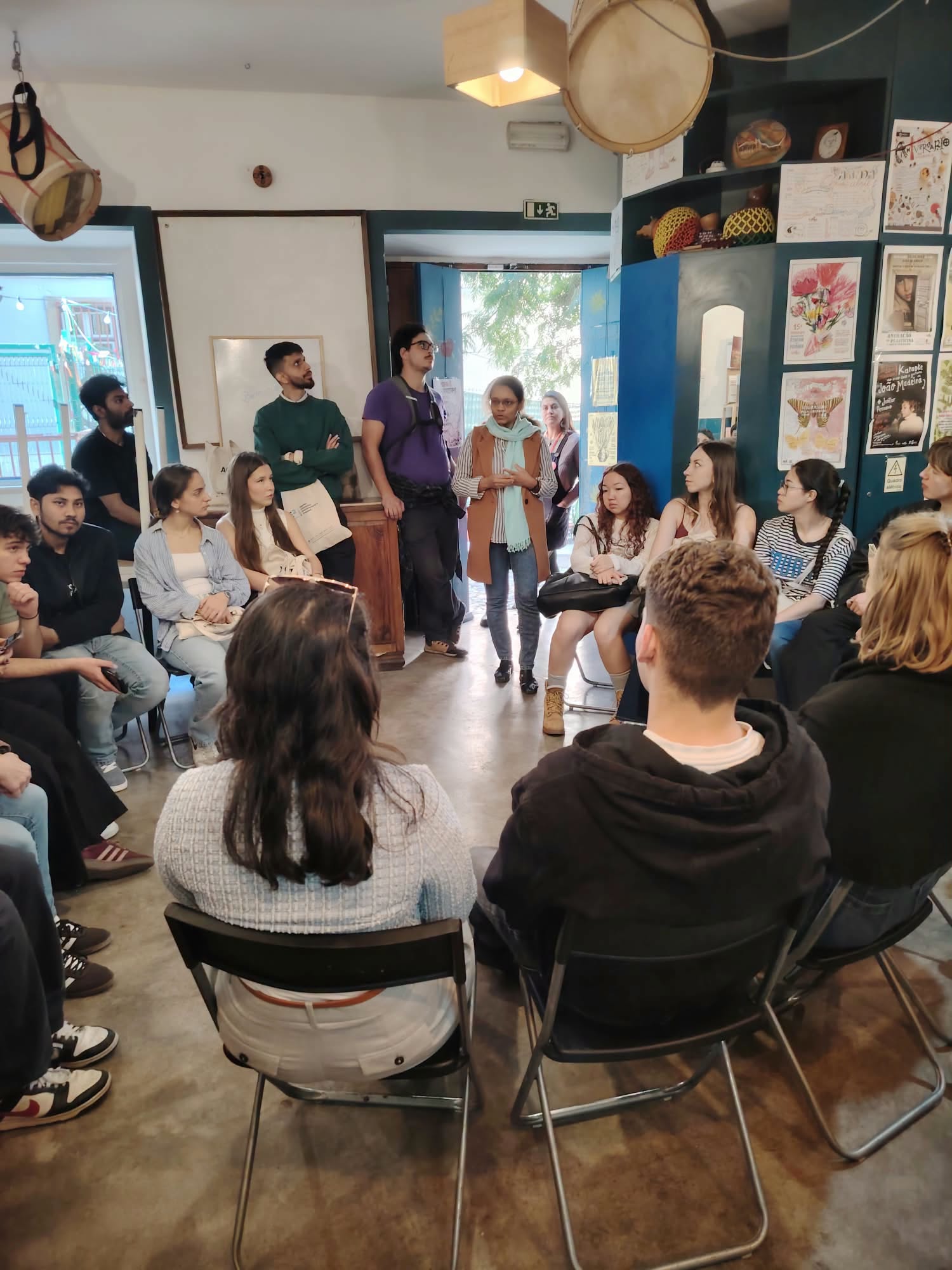
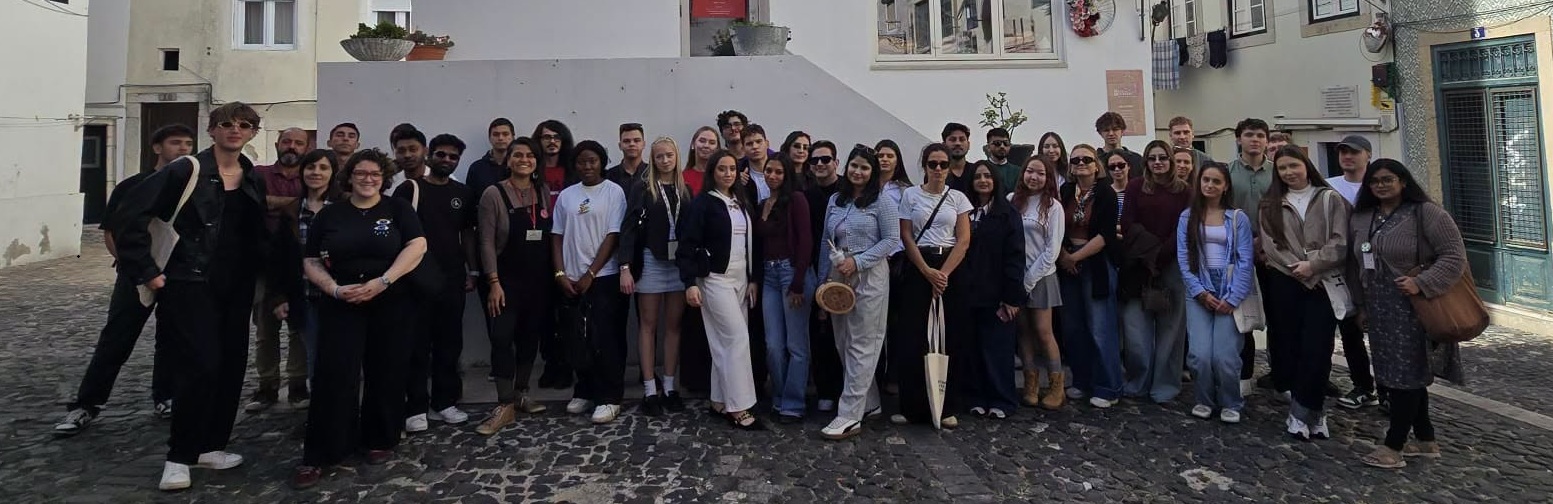
The programme began with a visit to Renovar a Mouraria, where students learned about local approaches to migration, inclusion and intercultural dialogue. Working in international teams, participants then explored the Mouraria and Martim Moniz neighbourhoods alongside Migrantour Lisboa, gaining insights into the city’s multicultural communities.
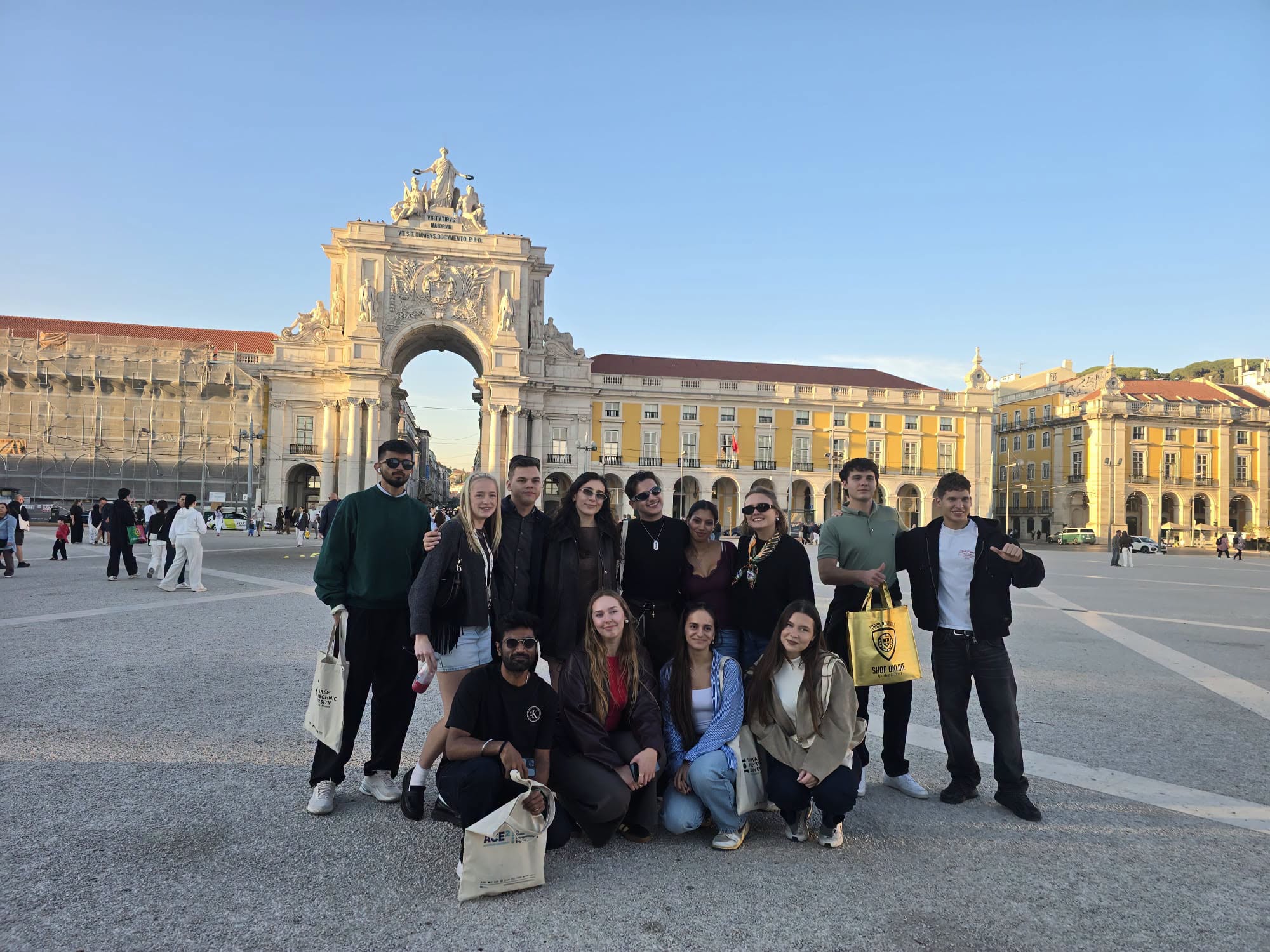
The afternoon was dedicated to the Intercultural City Exploration, a self-guided activity taking students from Martim Moniz to Praça do Comércio. Along the way, participants completed five intercultural observation challenges, documenting their findings through photographs and personal reflections.
These activities encouraged students to examine how cultural diversity, migration and inclusion shape urban spaces and everyday interactions.
Developing Solutions for a More Inclusive Europe
Throughout the remainder of the week, participants will engage in workshops, discussions and collaborative activities focused on intercultural understanding and anti-racism.
Working in international teams, students will develop intercultural and anti-racism initiatives, drawing on the knowledge and experiences gained during the programme. Their proposals will be presented on Friday, 6 November, marking the conclusion of the Flavour School.
The initiative reflects the ACE²-EU alliance’s commitment to promoting European values, intercultural dialogue and inclusive education, while providing students with opportunities to strengthen their international collaboration and problem-solving skills.