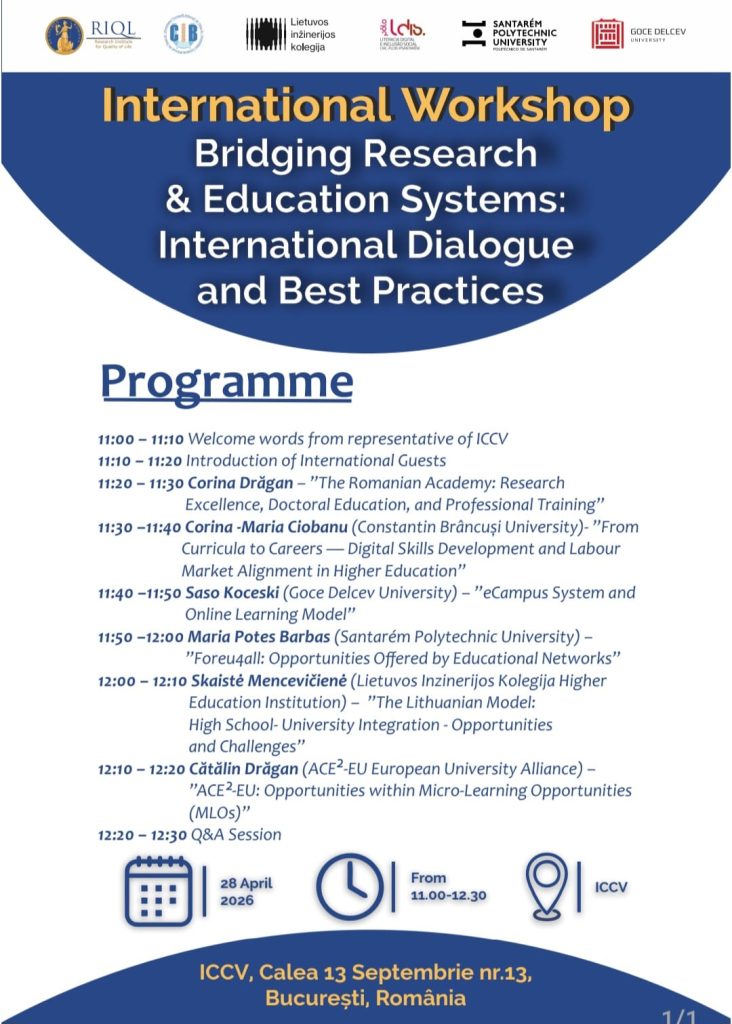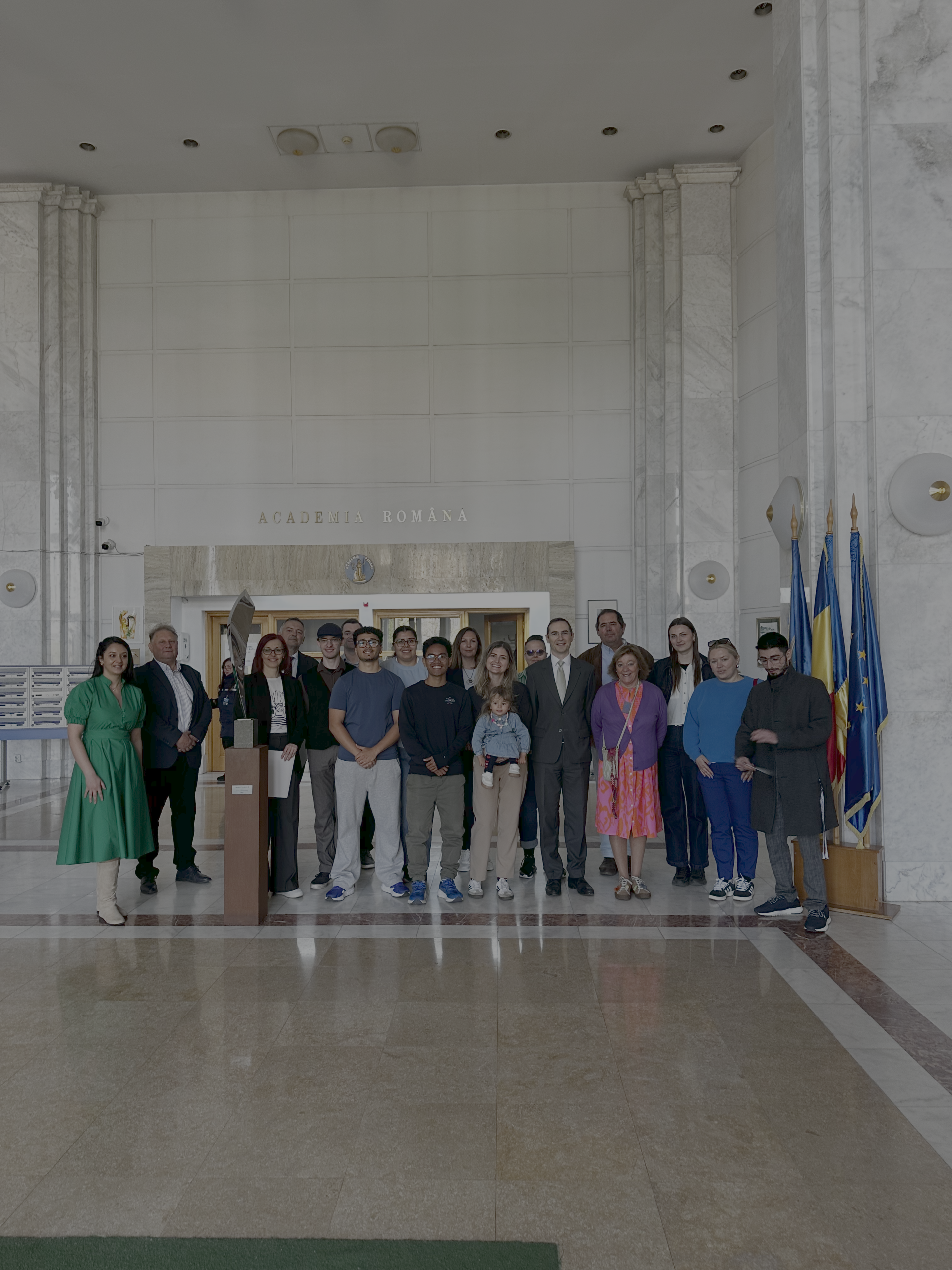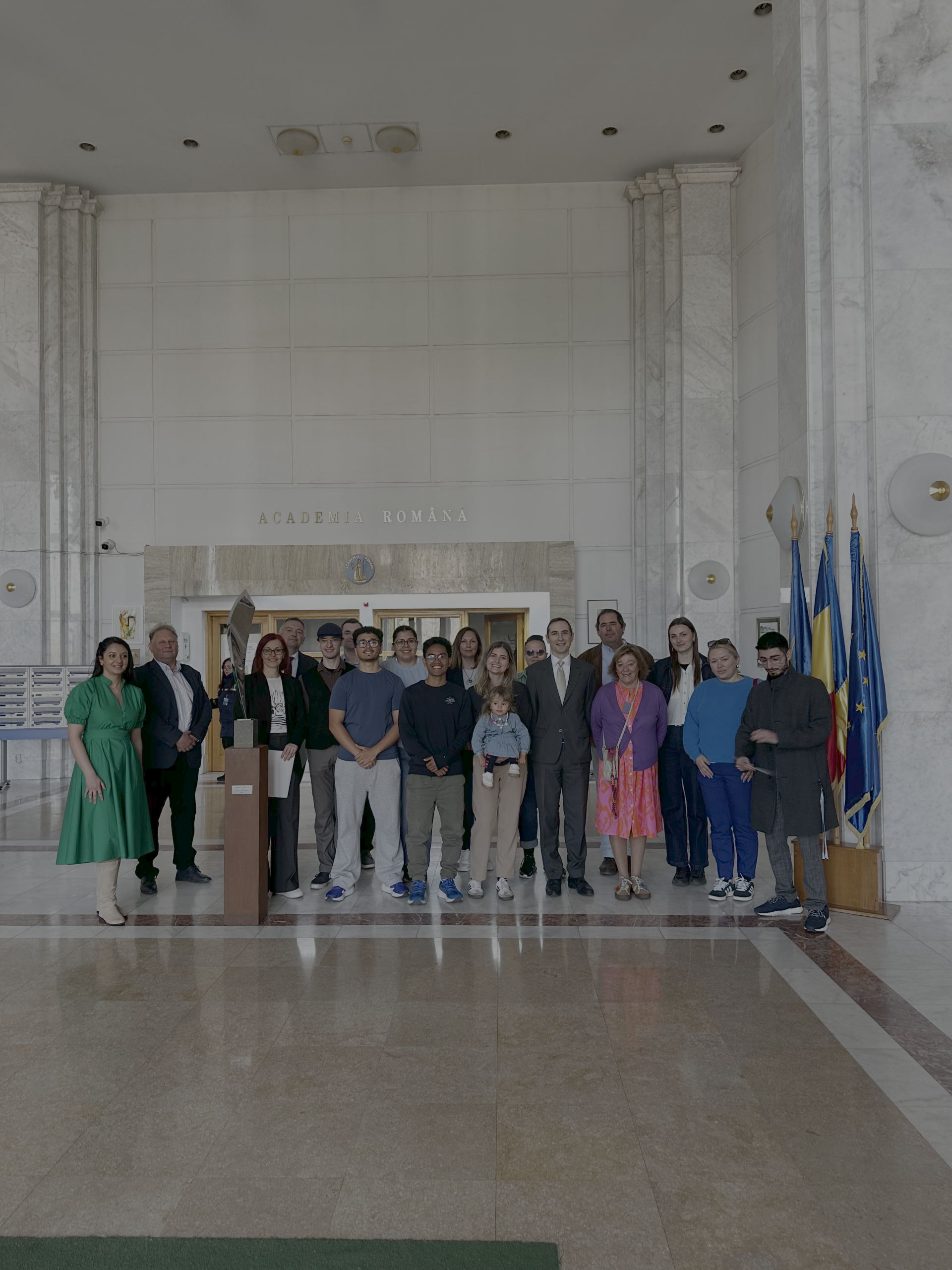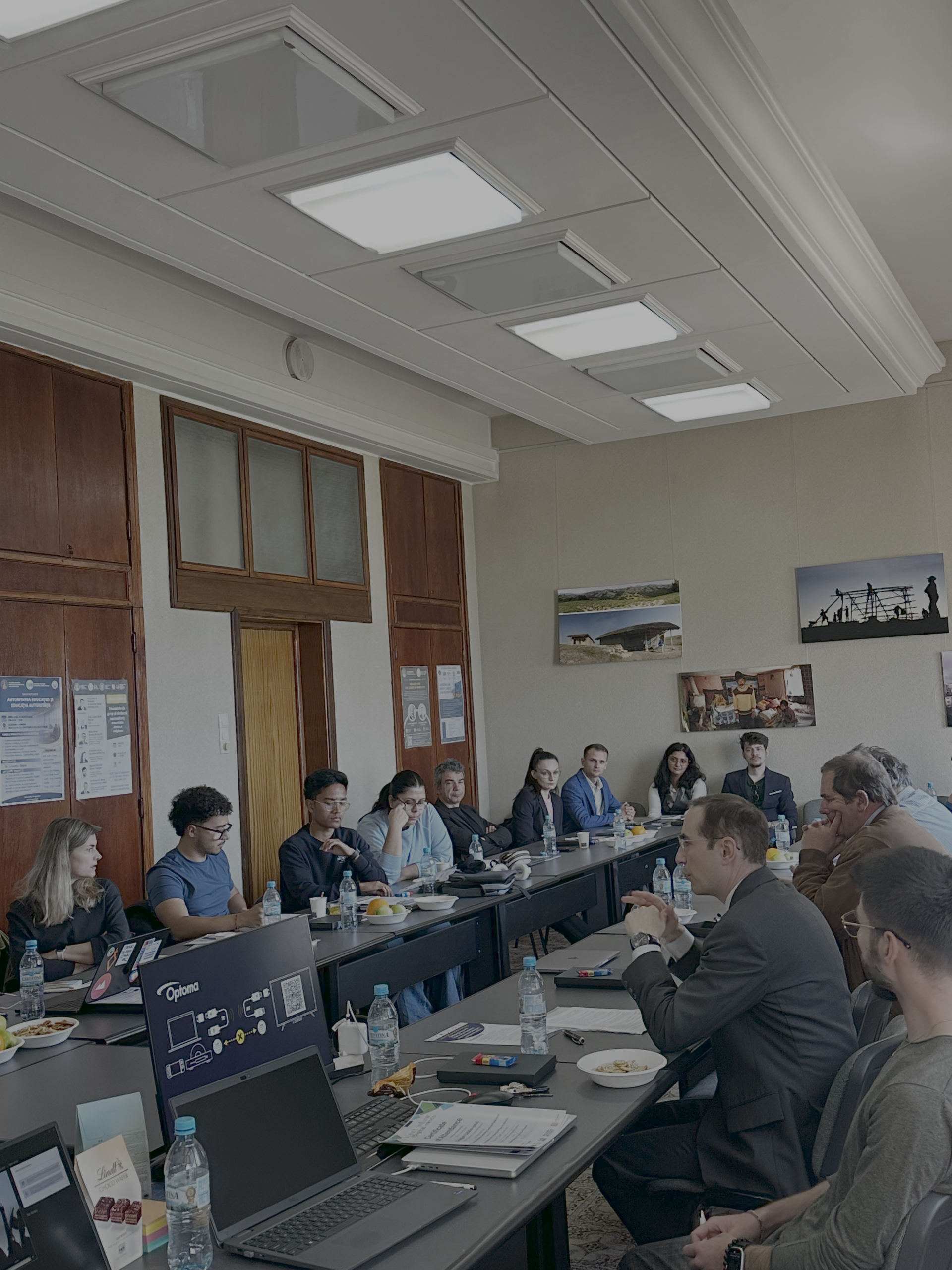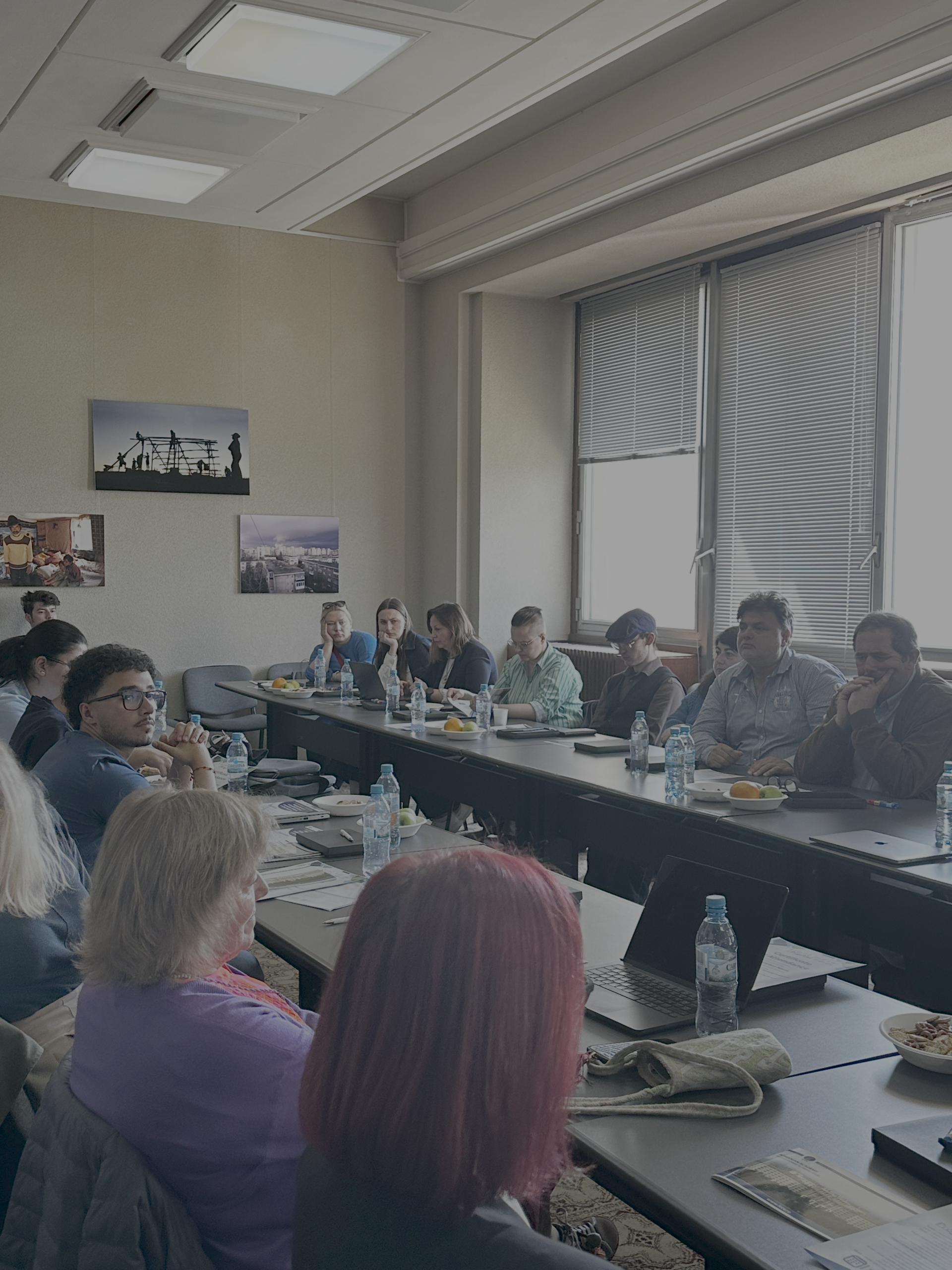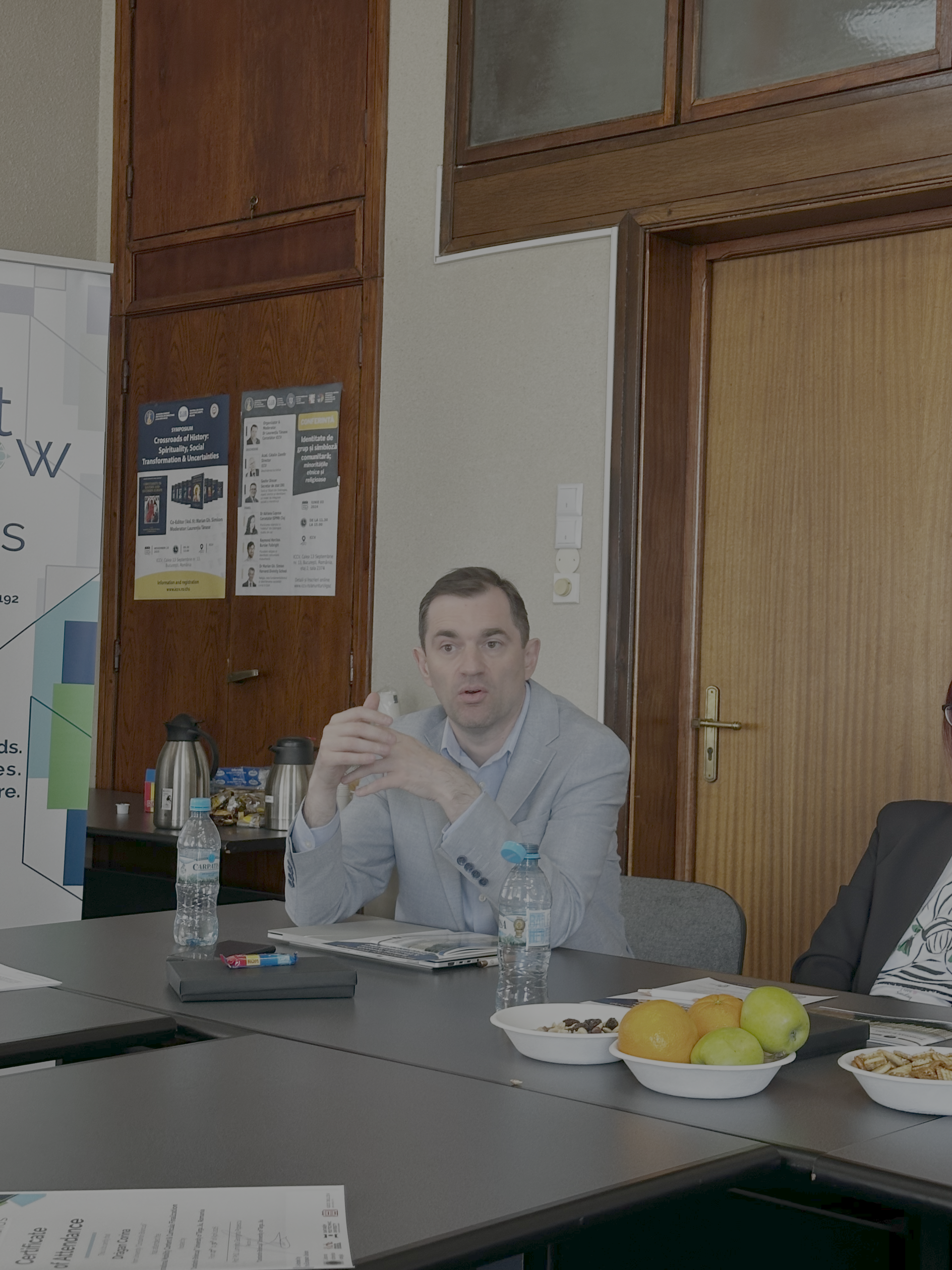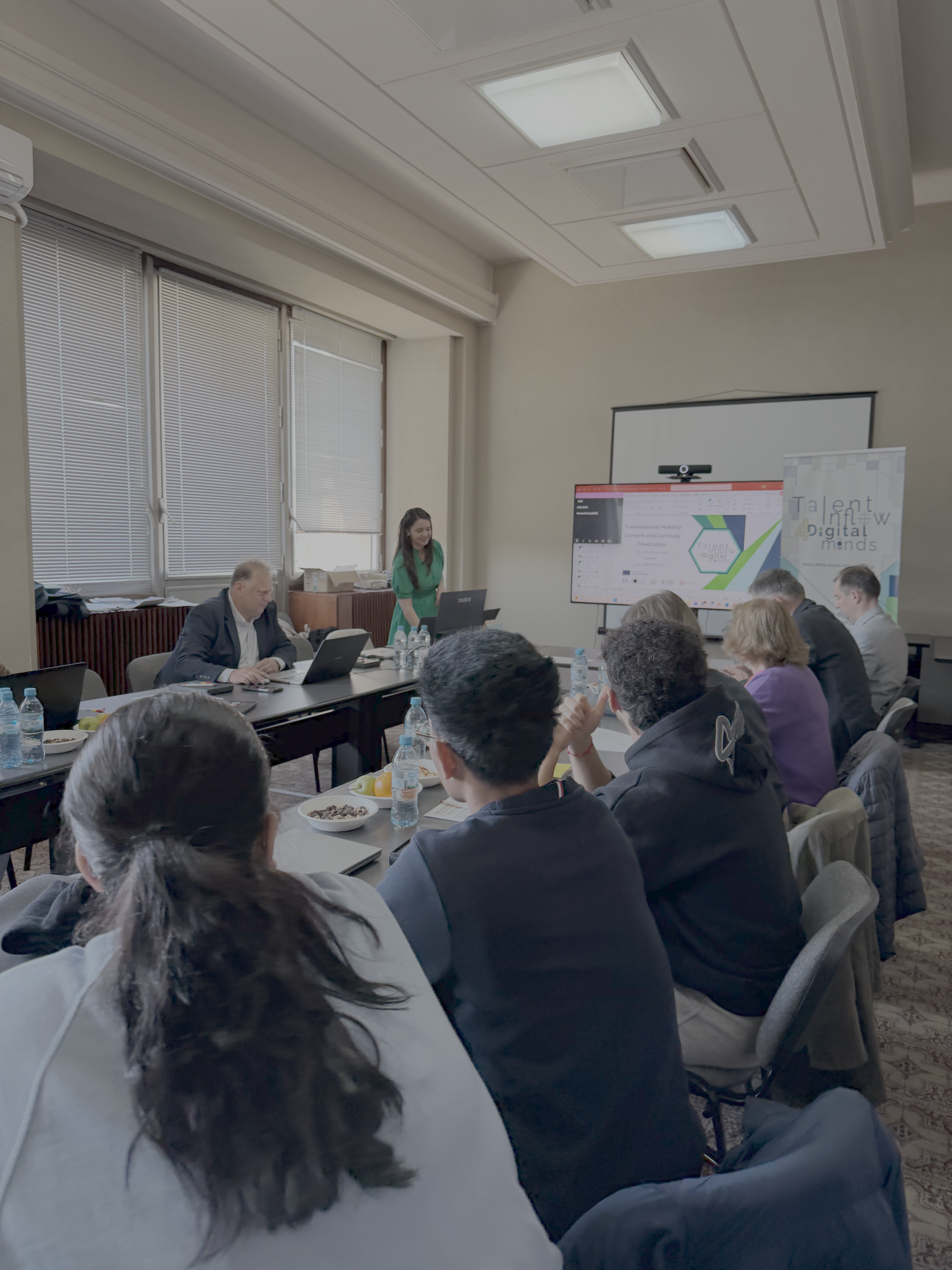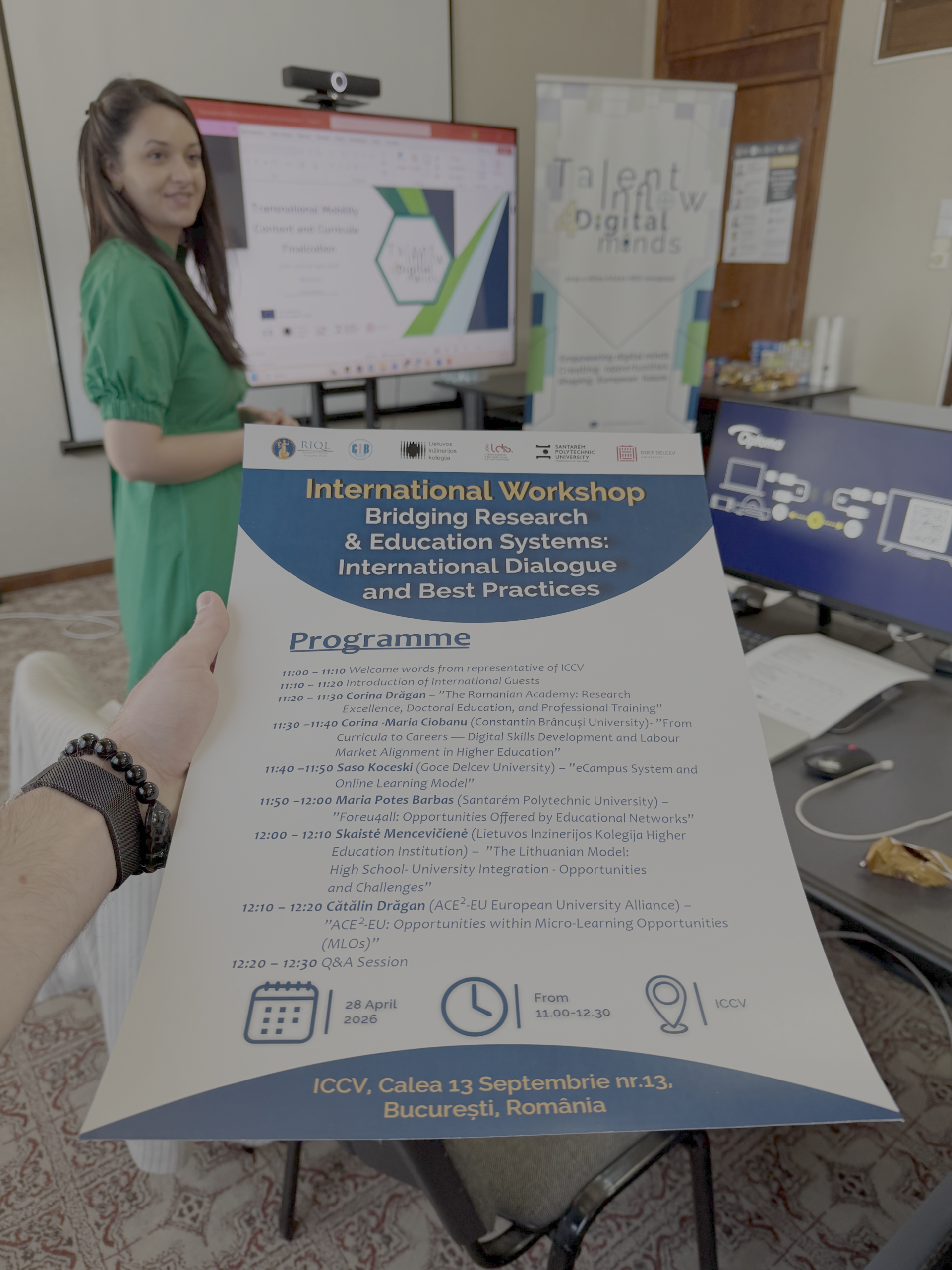
Bucharest, Romania 28 April, 2026, the International Workshop “Bridging Research & Education Systems: International Dialogue and Best Practices” was hosted by the Research Institute for Quality of Life (ICCV) of the Romanian Academy, in its capacity as an associated partner of the ACE2-EU European University Alliance.
The event was jointly organized by four partner institutions within the ACE2-EU consortium: Santarém Polytechnic University, Goce Delcev University, Constantin Brâncuși University of Târgu Jiu, and Lietuvos Inzinerijos Kolegija Higher Education Institution. It brought together academics, researchers, students and institutional representatives from across Europe to explore the interconnections between research and higher education systems.
The workshop constituted a significant dissemination of the ACE2-EU activities, facilitating the exchange of knowledge, institutional practices, and innovative approaches aimed at addressing contemporary transformations in higher education.
The opening session, delivered by Dr. Iulian Stănescu, Deputy Director of ICCV, provided a historical overview of the institute, emphasizing its role in the post-1989 period in supporting evidence-based social policies. He highlighted the importance of strengthening the relationship between research and higher education, particularly through doctoral education and international collaboration.
Corina Drăgan further emphasized the role of the Romanian Academy as a space of academic excellence and underlined the importance of doctoral training in shaping future researchers capable of responding to evolving societal challenges.
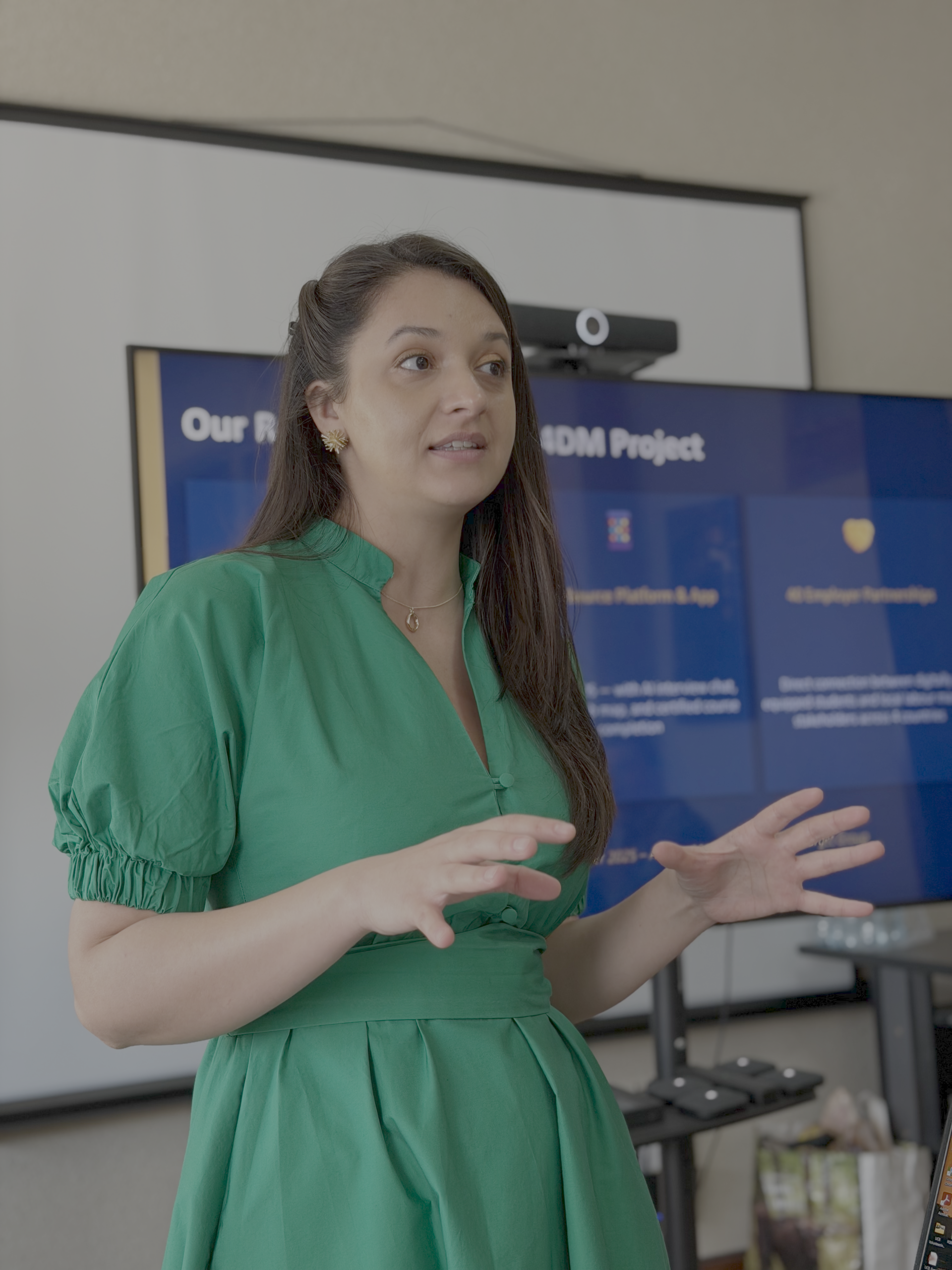
The workshop addressed key challenges related to the alignment of higher education with labour market demands and digital transformation. Corina Maria Ciobanu (Constantin Brâncuși University of Târgu Jiu) presented empirical findings on digital skills gaps among students and introduced an educational initiative consisting of ten free digital courses developed in collaboration with employers, aimed at enhancing employability and bridging the gap between academic training and professional requirements.
Skaistė Menčevivienė (Lietuvos inžinerijos kolegija) presented the Lithuanian higher education model, highlighting the complementary roles of universities and applied sciences institutions, as well as ongoing reforms focused on strengthening research capacity and adapting to labour market needs.
A central dimension of the workshop was the dissemination of innovative tools and collaborative models developed within the ACE2-EU ecosystem.
Key Dissemination Contributions within ACE2-EU
Sašo Kocevski (Goce Delcev University) introduced a presentation of eCampus, a digital platform designed to support academic collaboration at the European level, situating his contribution within the broader experience of Eastern European countries undergoing processes of institutional transformation and transition. He highlighted both the common challenges faced by these systems and the progress achieved, emphasizing the critical importance of international cooperation in strengthening research and education ecosystems. The platform, developed within a ACE2-EU European university alliance framework, integrates advanced functionalities such as academic mobility management, expert databases, virtual libraries, and AI-supported communication tools. By facilitating collaboration, knowledge exchange, and the formation of research networks and project consortia, the initiative represents a significant step toward enhancing transnational academic cooperation and supporting participation in European research programmes.
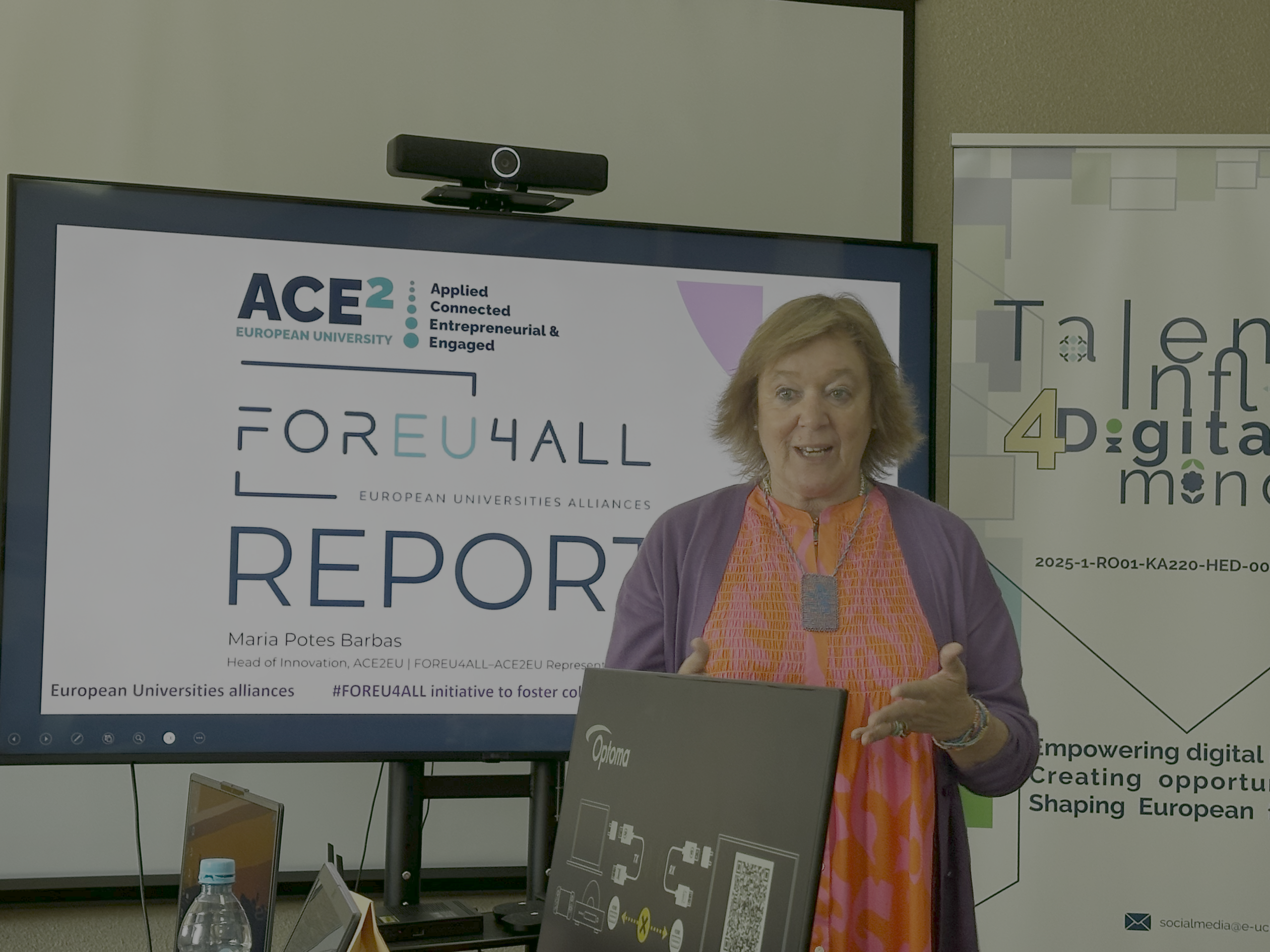
Maria Potes Barbas (Santarém Polytechnic University) highlighted the role of the Foreu4all European university alliances network as a strategic framework for enhancing institutional connectivity, knowledge exchange, and student engagement. Her intervention further emphasized the broader contribution of European university alliances to the development of both education and research, underlining the importance of inter-institutional collaboration, the exchange of best practices, and active participation in academic events.
She also addressed structural challenges related to funding and performance evaluation, stressing the need for sustainable models capable of supporting long-term academic cooperation. Her message was particularly directed towards younger generations, encouraging students and early-career researchers to actively engage in international academic environments, embrace opportunities, and take initiative in shaping their professional trajectories.
In the concluding session, Cătălin Drăgan (Constantin Brâncuși University) presented innovative approaches to micro-learning and international mobility, emphasizing flexible and experiential learning models. He highlighted the importance of international mobility and experiential learning in shaping students’ academic and professional development, underlining their role in fostering adaptability and practical skills.
He also introduced a range of innovative micro-learning programmes and academic mobility initiatives that enable students to work on real-world challenges within international contexts. Through these experiences, students acquire practical competencies formally recognized through ECTS (European Credit Transfer and Accumulation System) credits, thereby strengthening both employability and academic integration across European higher education systems.
The workshop underscored the importance of interdisciplinary dialogue, institutional cooperation, and knowledge transferin shaping responsive and future-oriented education systems. It highlighted the increasing interdependence between research, education, and labour market dynamics.