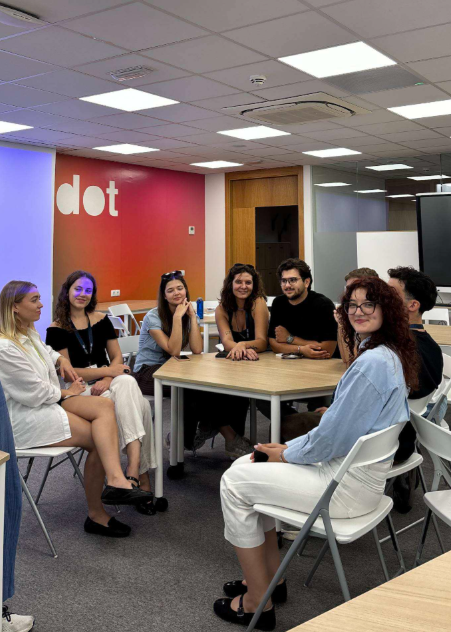
The second and third days of the ACE²-EU course “Grapes and Health: Exploring the Nutritional and Therapeutic Potential of Their Bioactive Compounds”, held at Universidad Francisco de Vitoria (UFV), took the 32 participating students, who come from the nine countries of the European Alliance, from the market applications of grape bioactive compounds to the laboratory bench.
On Tuesday, participants looked at where grape science meets the market. The day opened with an applications seminar on nutrition and cosmetics. It covered functional foods and nutraceuticals, with real market cases showing how bioactive compounds become commercial products. The focus then moved to communication. In a session titled “How to make a good presentation?”, students worked on the skills they will need for Friday’s final presentations: structuring a proposal, conveying scientific evidence clearly and persuading an audience of experts.
After the break, the teams went into intensive group work. They developed their proposals for the winery challenge and started building their presentations, with tutorials from the teaching staff. The groups bring together students from very different backgrounds, from biotechnology and nutrition to engineering and law, and these working sessions are where the transdisciplinary approach of the programme becomes most visible.
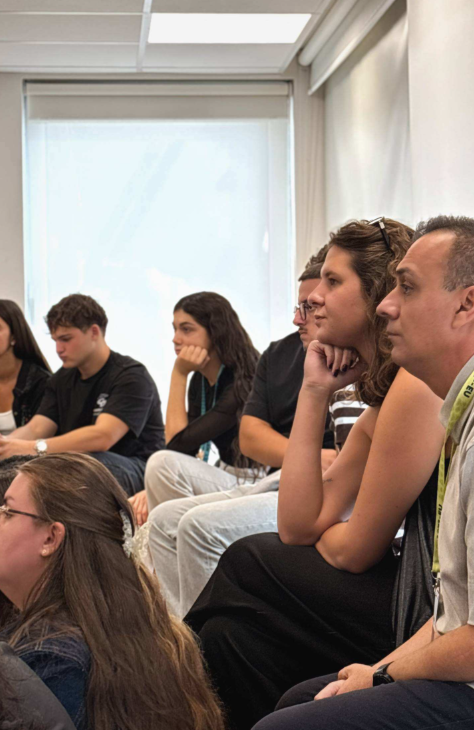
Wednesday was the most hands-on day of the week. It opened with a seminar on analytical techniques for studying bioactive compounds. The seminar covered the basics of extraction, spectrophotometry and chromatography, and reviewed the protocol students would follow in the lab later that morning.
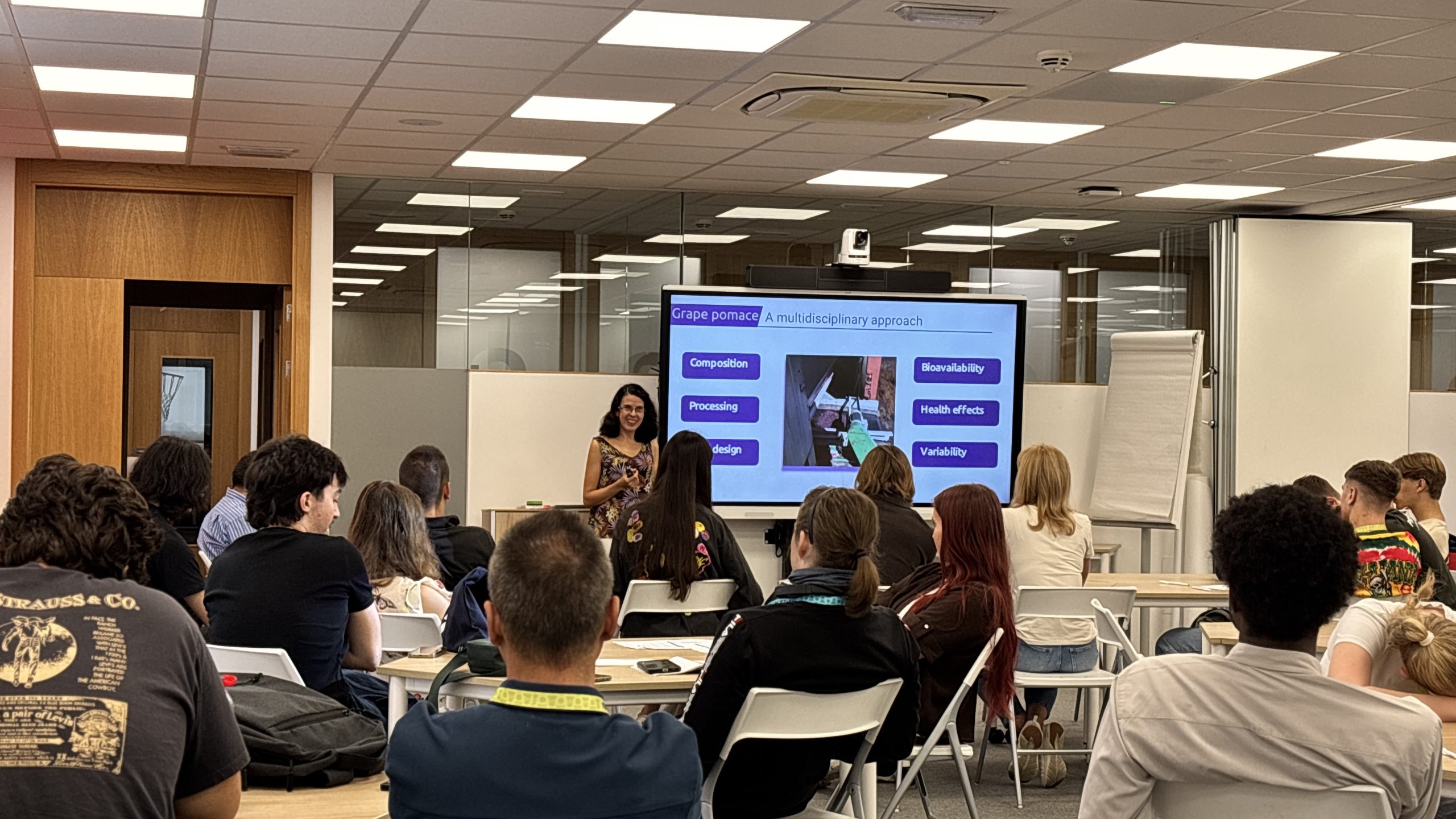
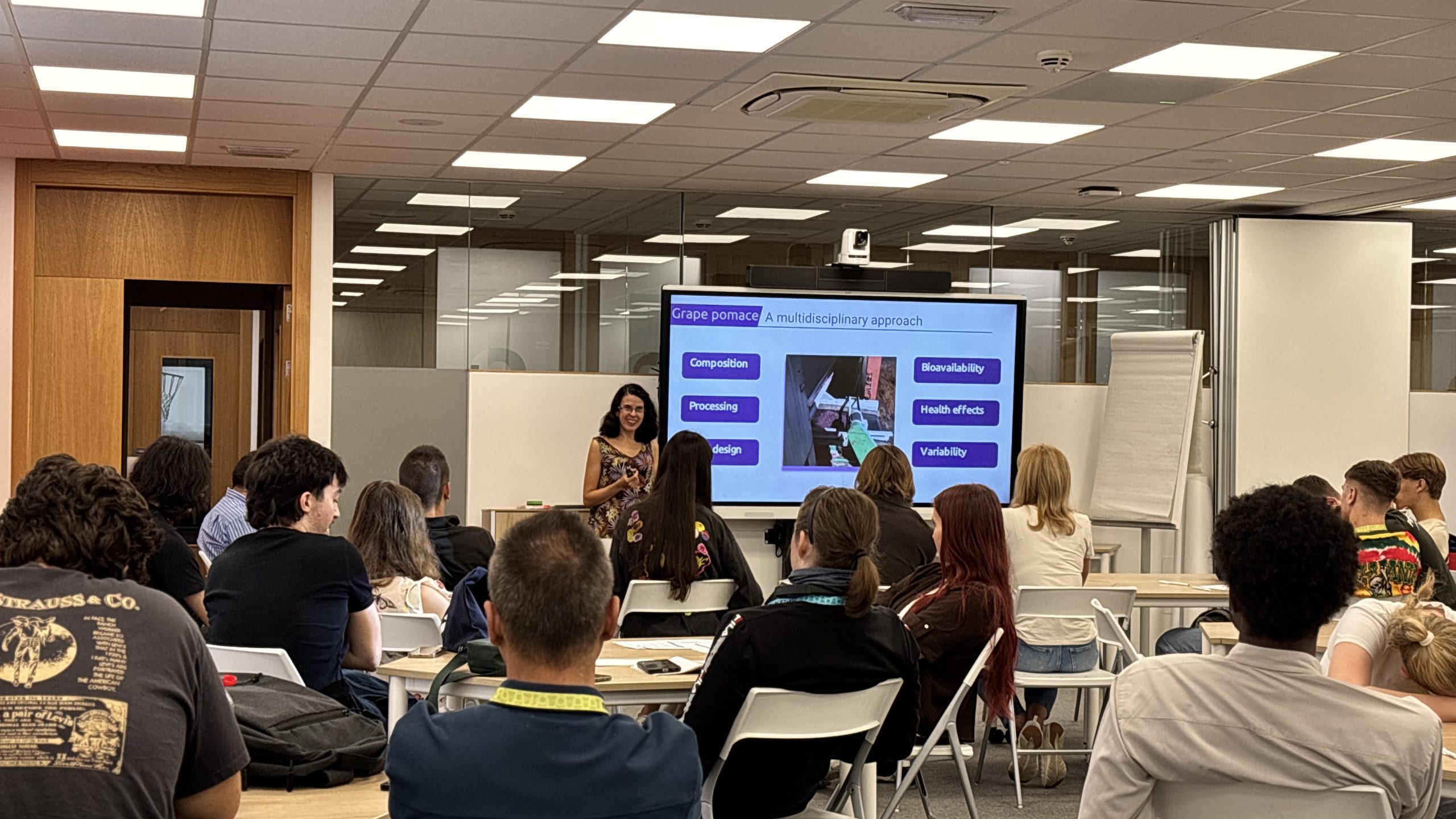
Guest speaker Jara Pérez Jiménez, a researcher at the Spanish National Research Council (CSIC), then gave a talk on grape pomace: the skins, seeds and stems left over after winemaking. “Grape pomace has very good nutritional properties, but there is a problem: every year, tons of this material are thrown away despite its interesting composition,” she explained. “Today at ACE we shared with the students our different research projects on this material, from its composition to its cardiometabolic effects, with the aim of sparking their interest in studying grape pomace.” The talk ended with a round of questions and a discussion with the students about the many possible uses of grape pomace, including food supplements.
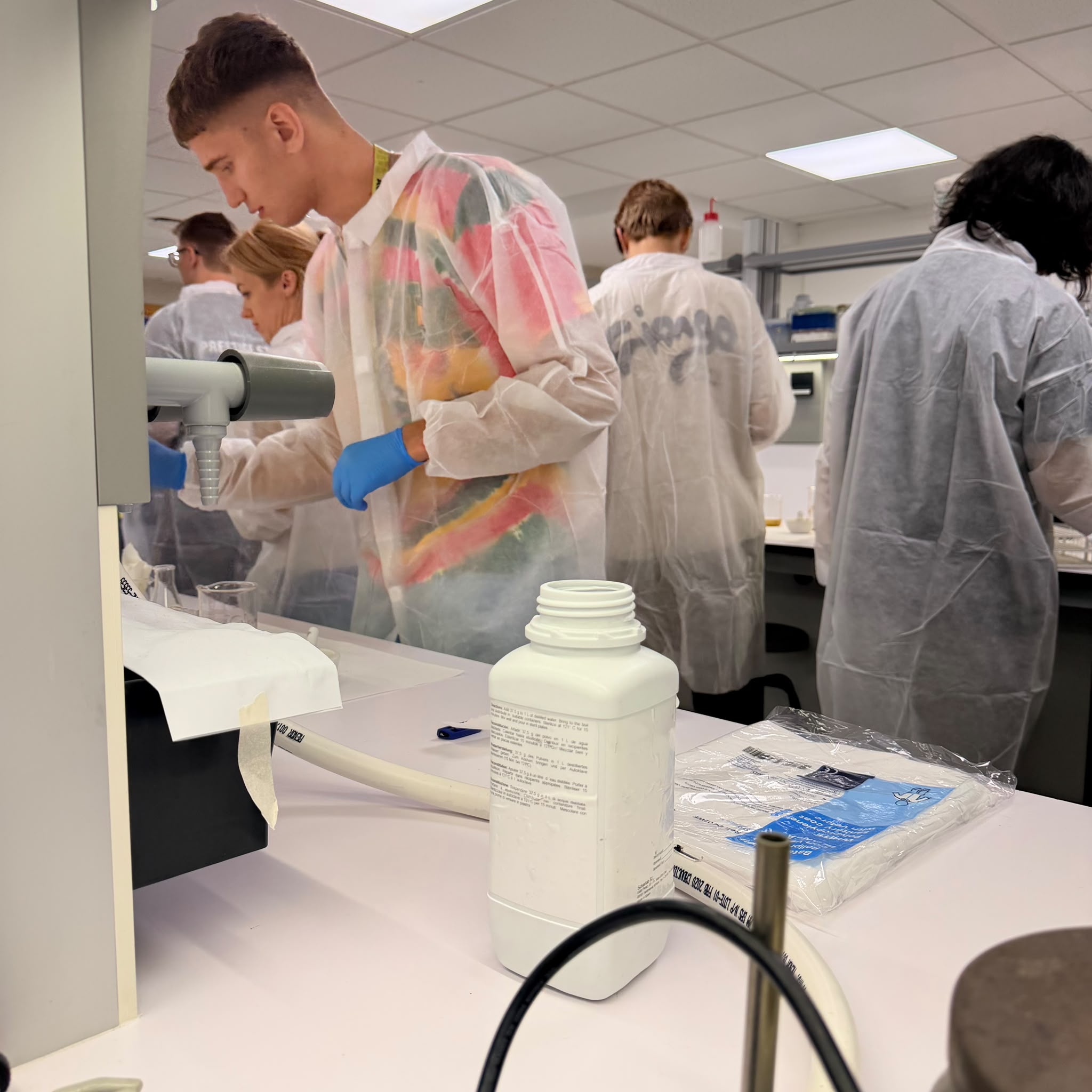
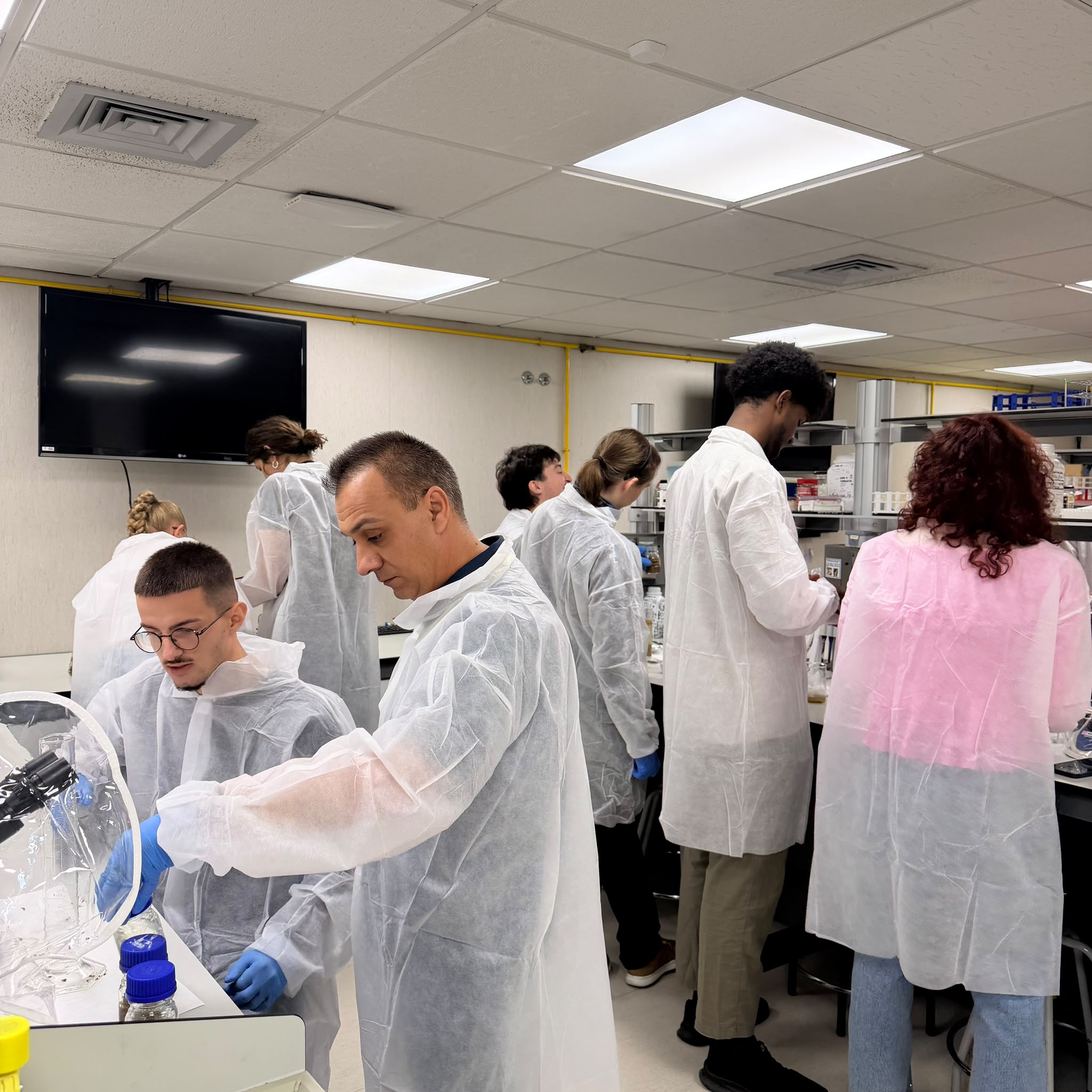
Students then moved to the laboratory for two guided sessions. In the first, they carried out a simple extraction of polyphenols from grapes and pomace and observed colour and antioxidant properties. In the second, they measured total phenols and antioxidant capacity with a demonstration kit.
The lab sessions were designed at an introductory level, because many participants had never worked in a lab before. The teaching staff guided every step. They put safety, observation and understanding of the concepts ahead of technical complexity, so that every student, whatever their background, could take part and interpret the results.