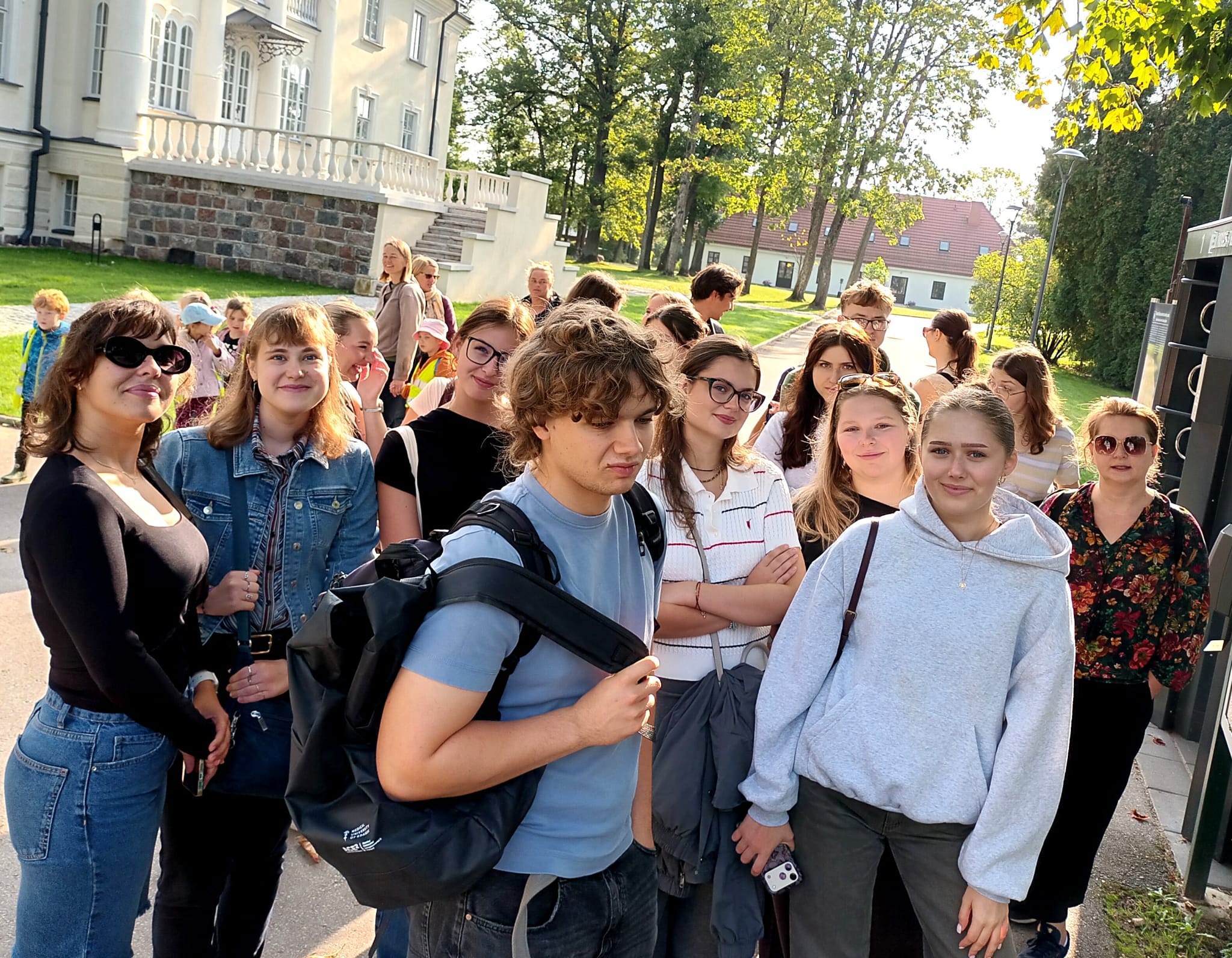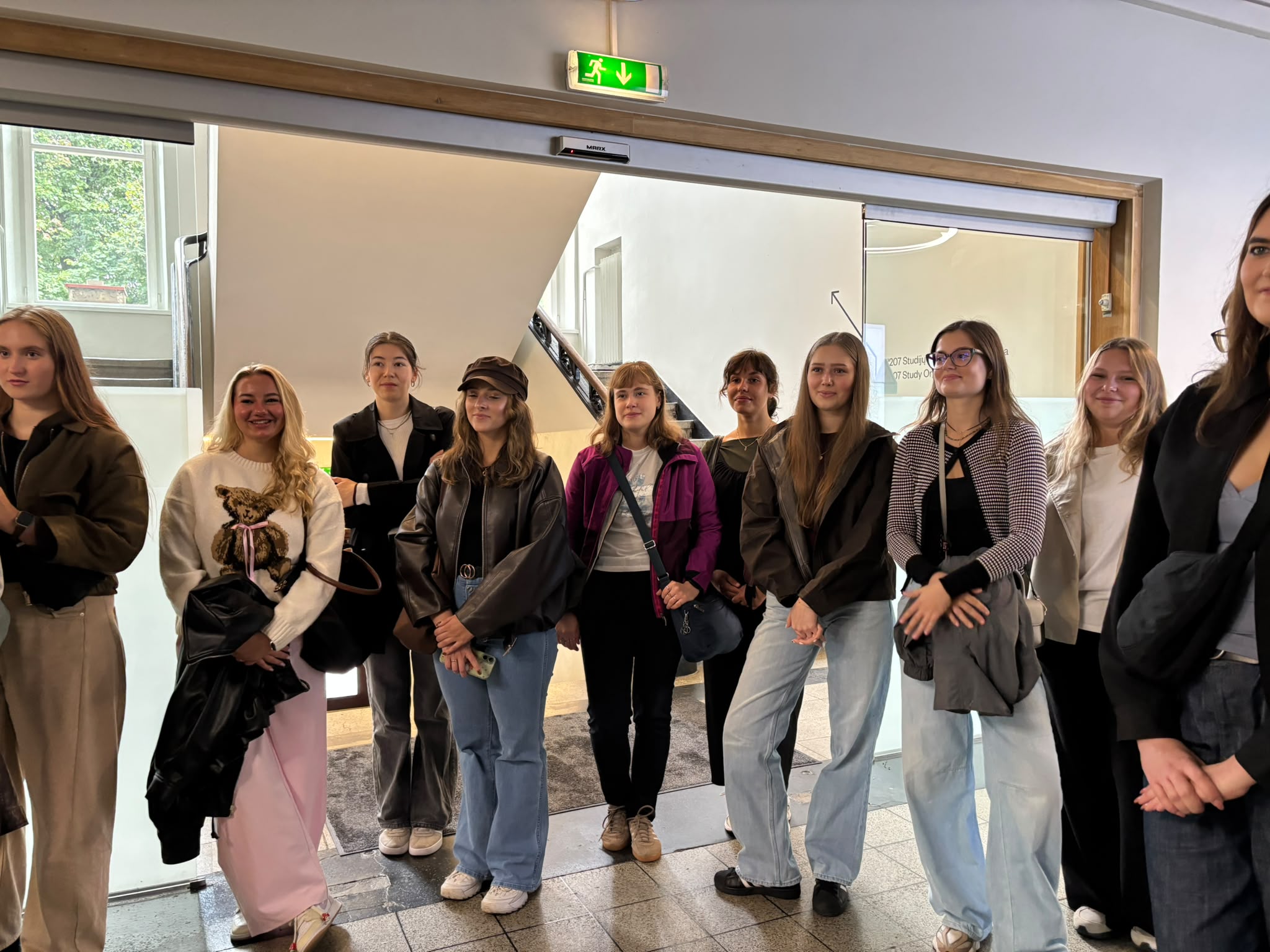
From 15 to 17 September 2026, students from the Medical University of Gdańsk (MUG) took part in a series of educational visits organised at Lietuvos inžinerijos kolegija Higher Education Institution (LIK) in Kaunas and in the surrounding areas. The three-day programme combined engineering and environmental education with practical learning about Lithuania’s natural environment and biodiversity.
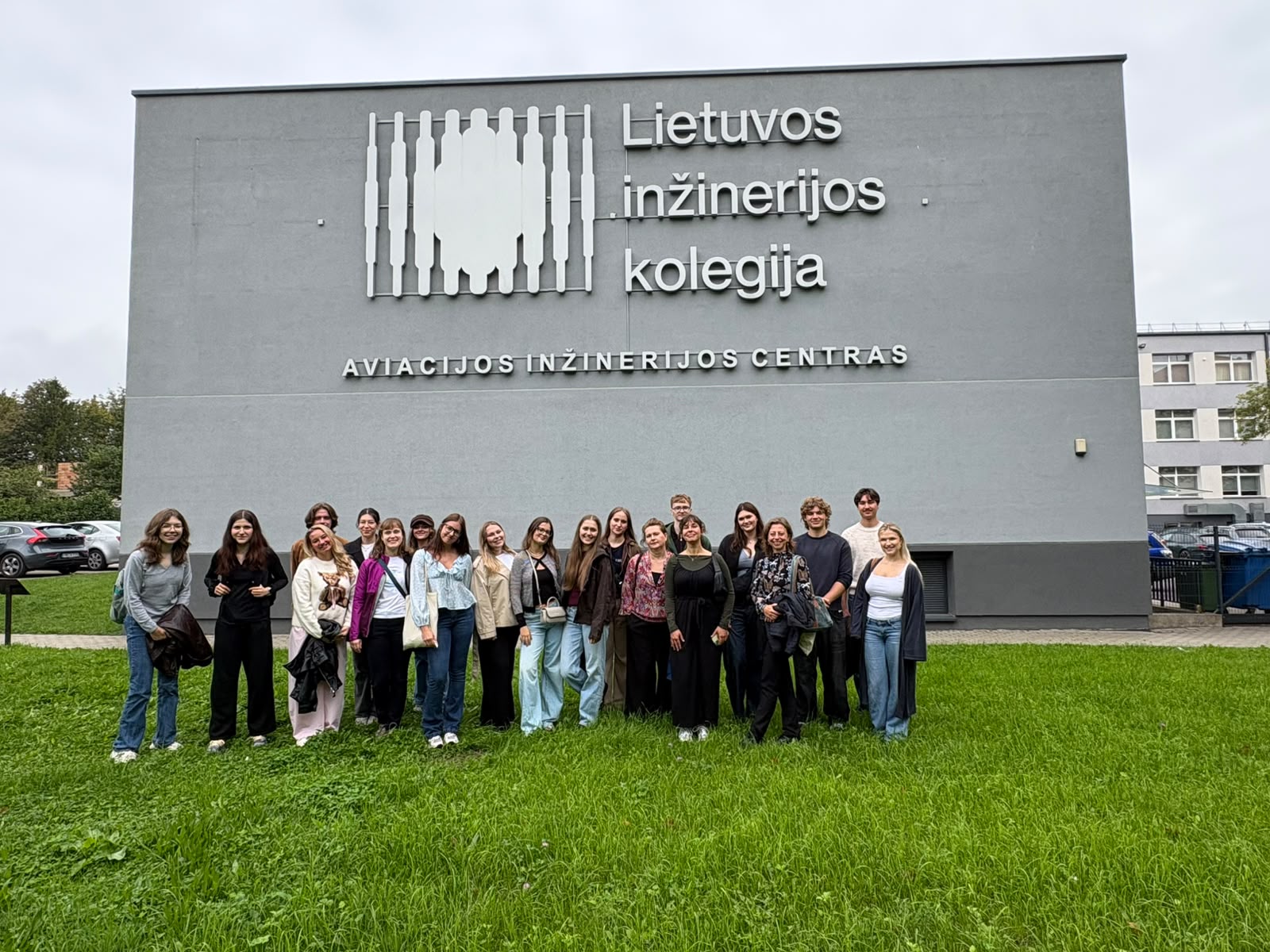
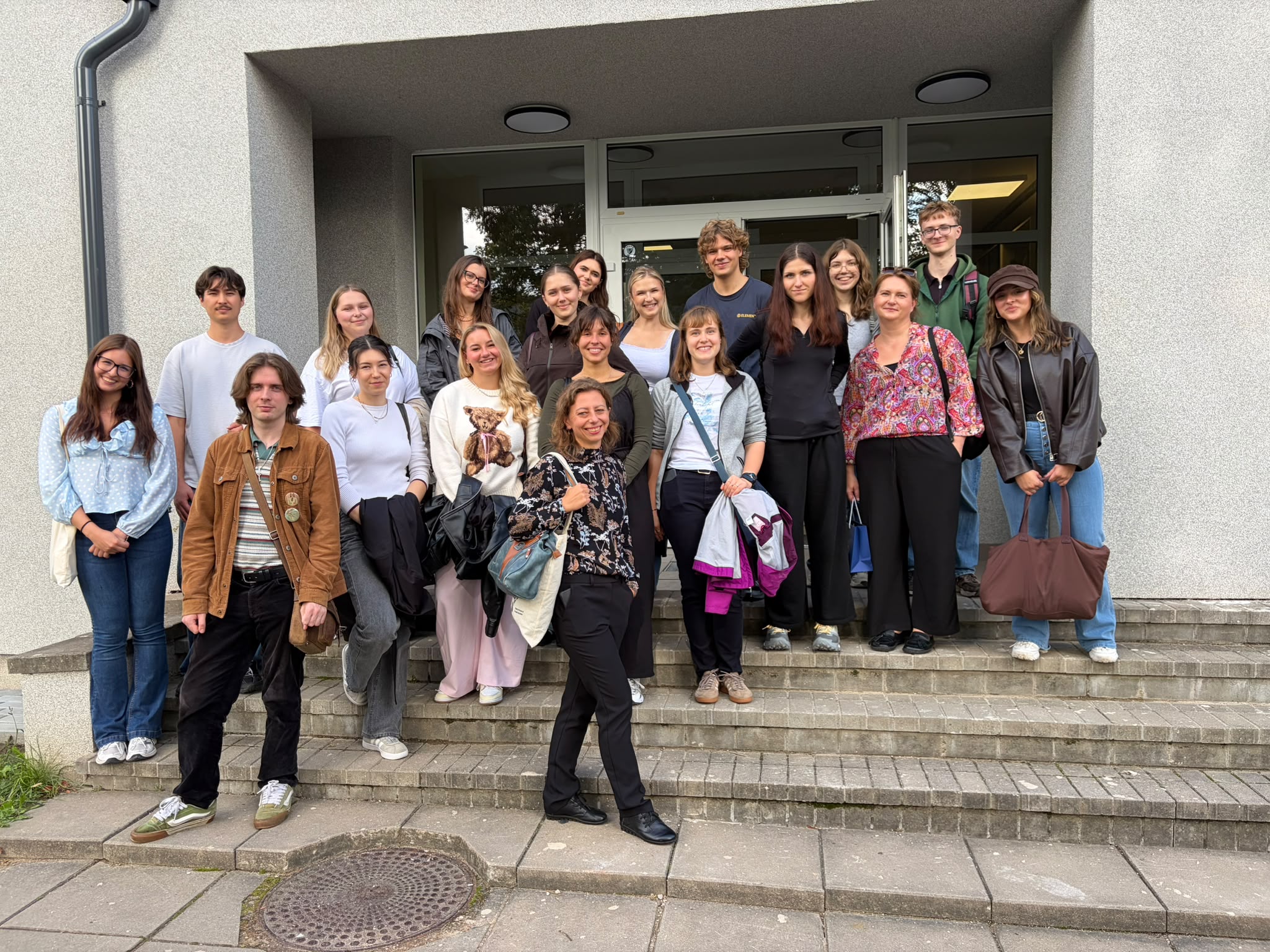
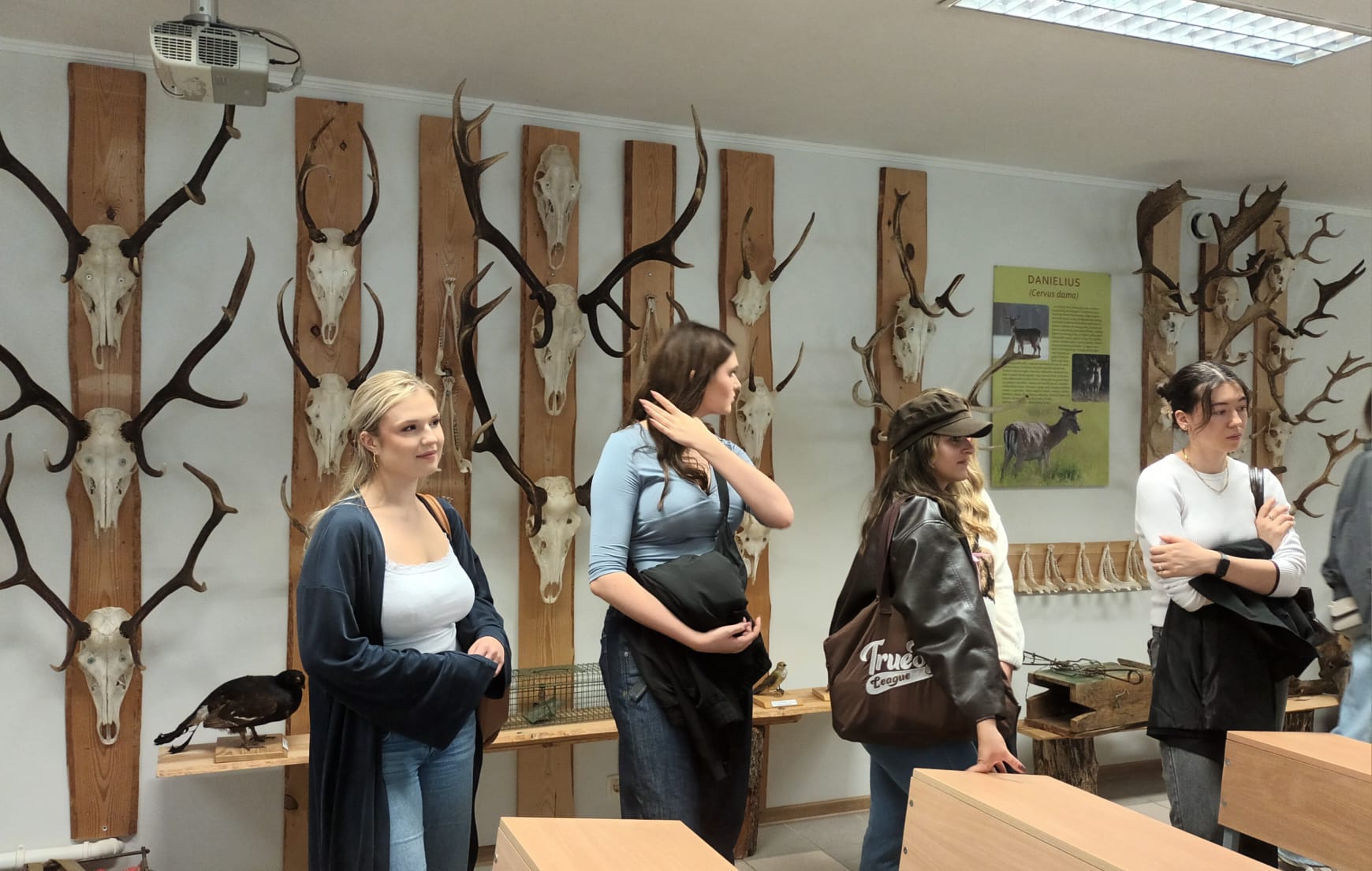
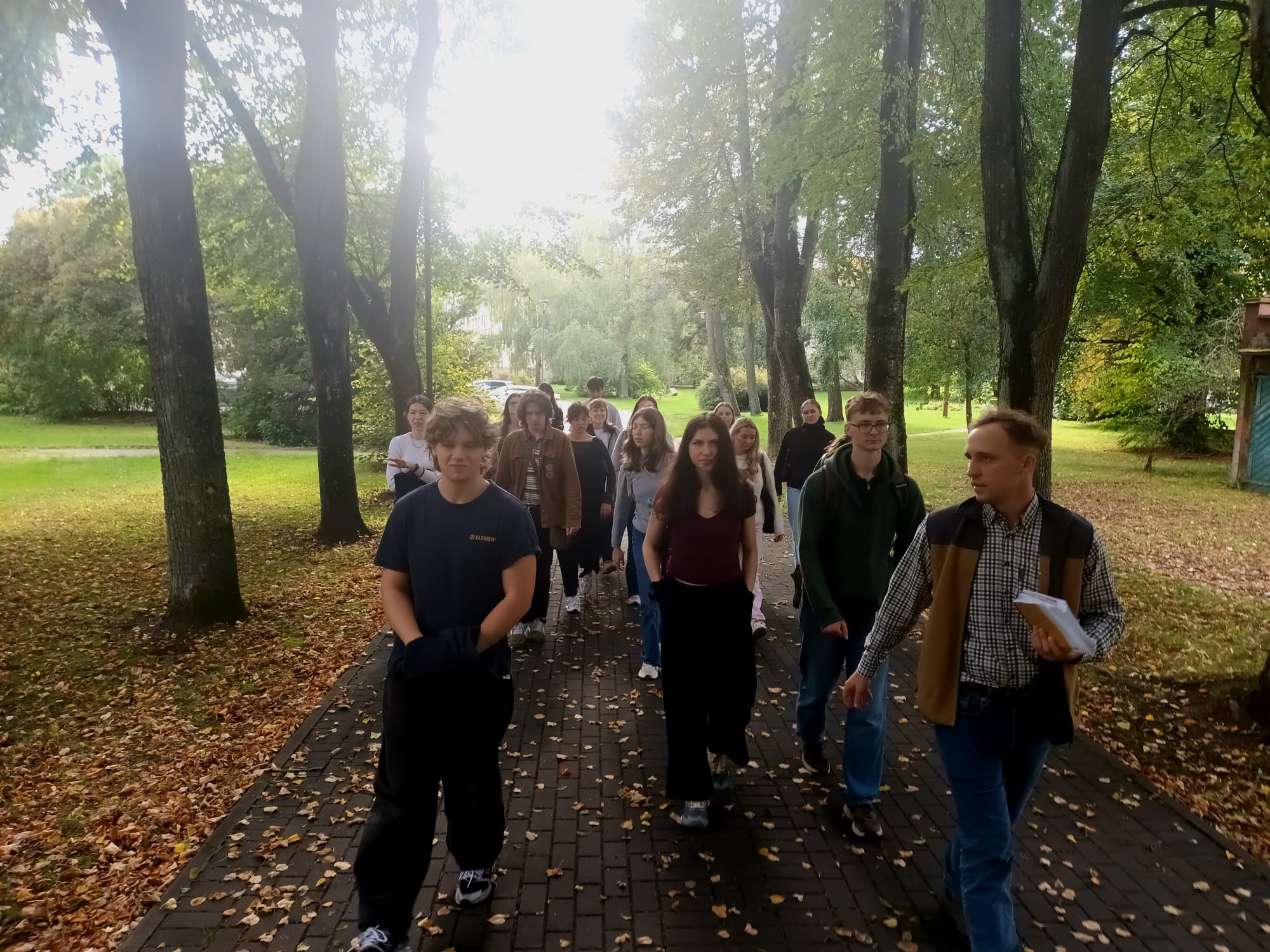
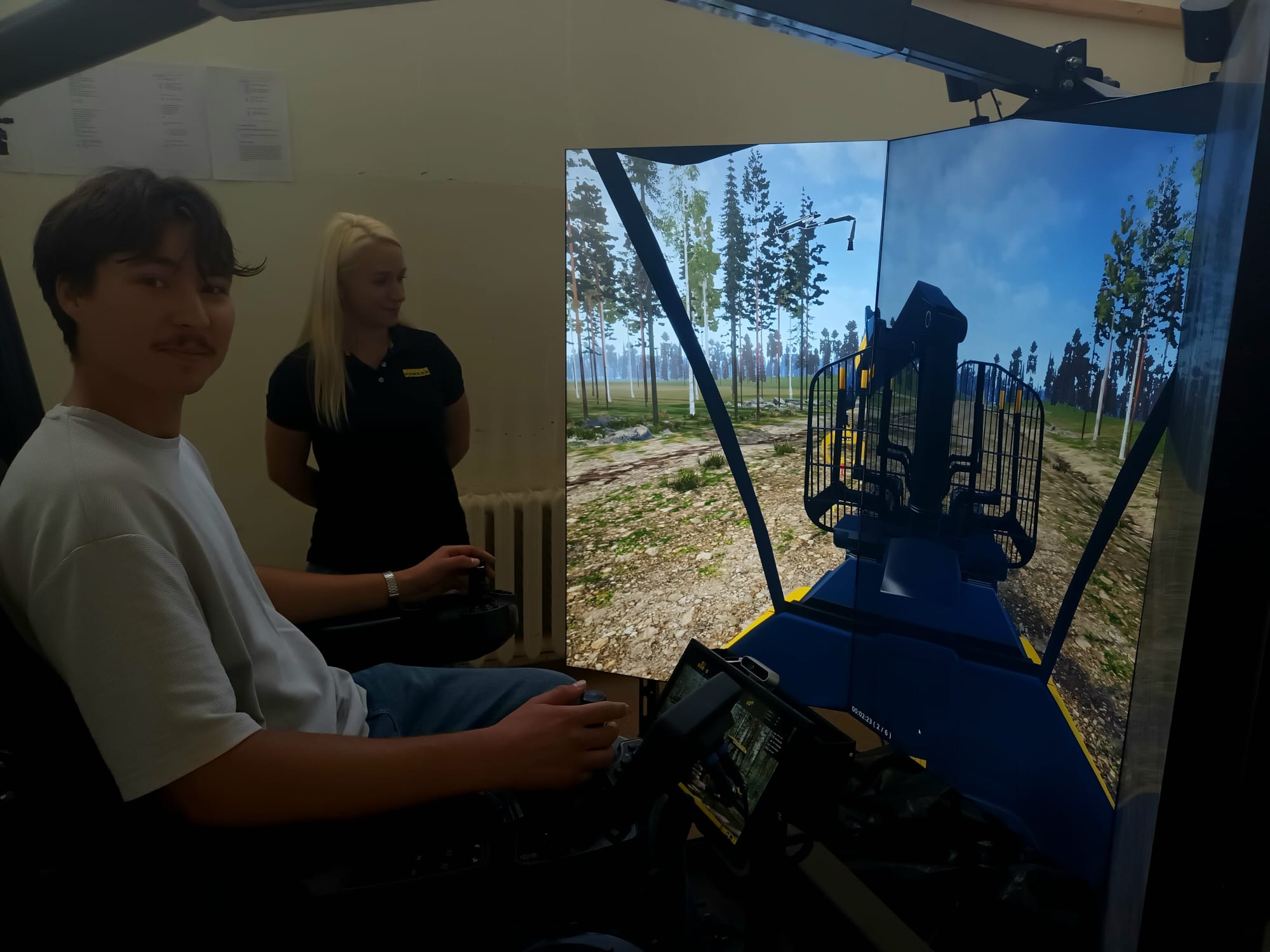
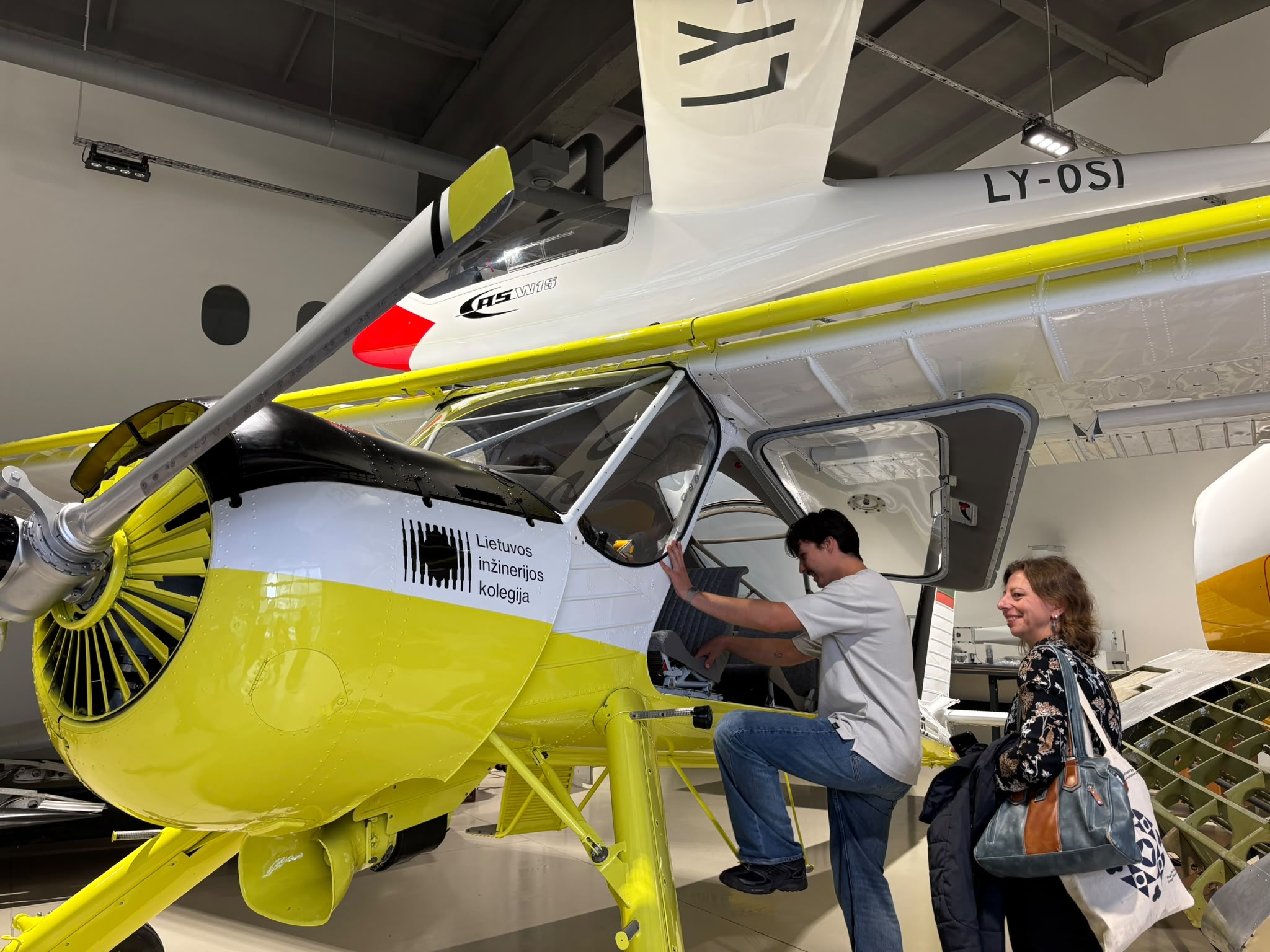
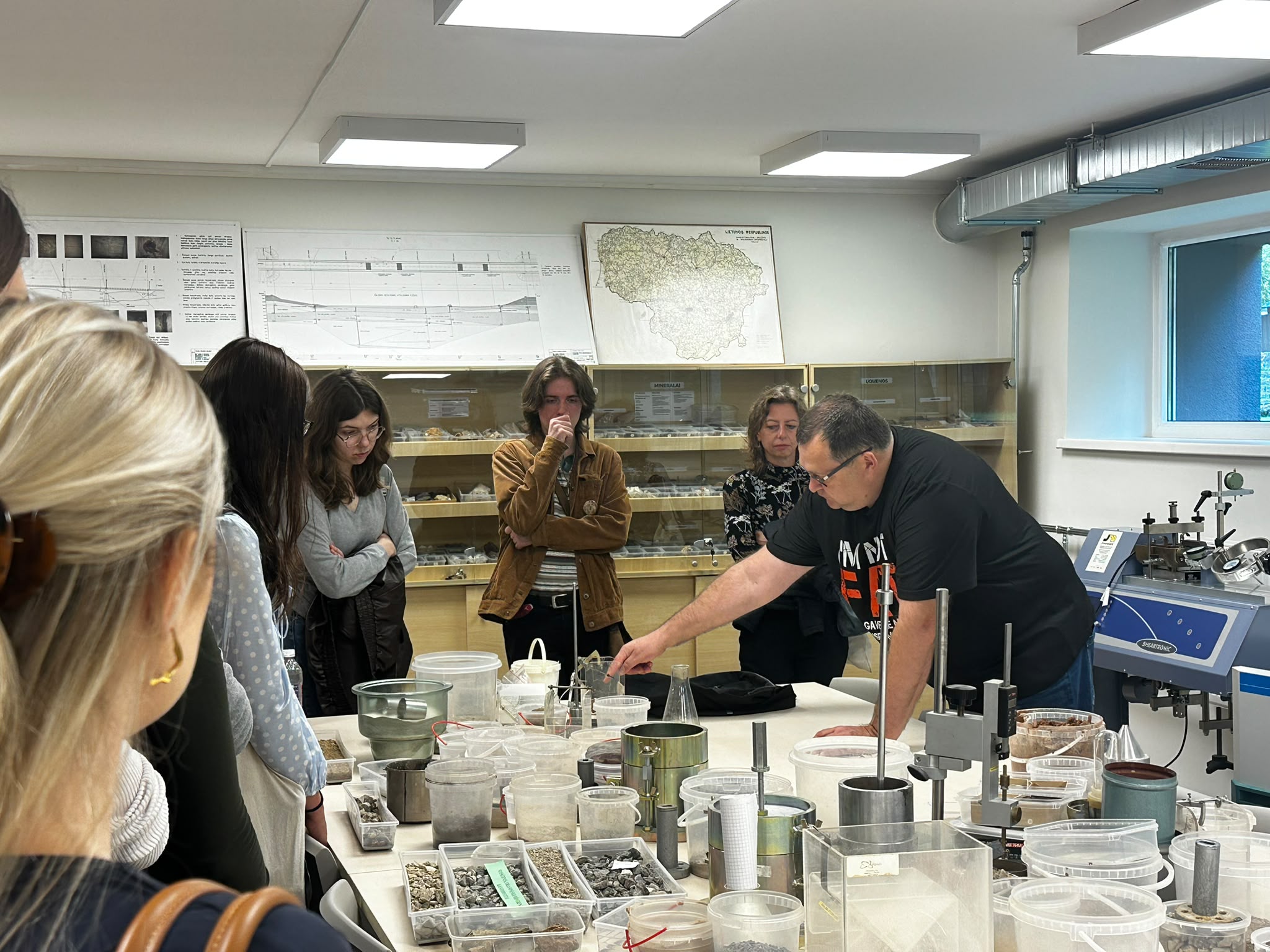
On 15 September, the students visited the campuses of LIK’s Faculty of Industrial Engineering and Technology and Faculty of Environmental Engineering. At the Faculty of Industrial Engineering and Technology, they explored the Bosch Training Centre, the Aviation Centre and the Soil Mechanics Laboratory, where they learned about specialised equipment, practical training opportunities and research activities carried out at the facilities.
The programme continued at the Faculty of Environmental Engineering, where the students visited the Nature Research Centre and were introduced to the key principles of landscape design. They also learned about modern instruments used for land observation and surface measurements. Together with their lecturer, the students explored how contemporary technologies can be applied to carry out different types of measurements and surveys in forest environments.
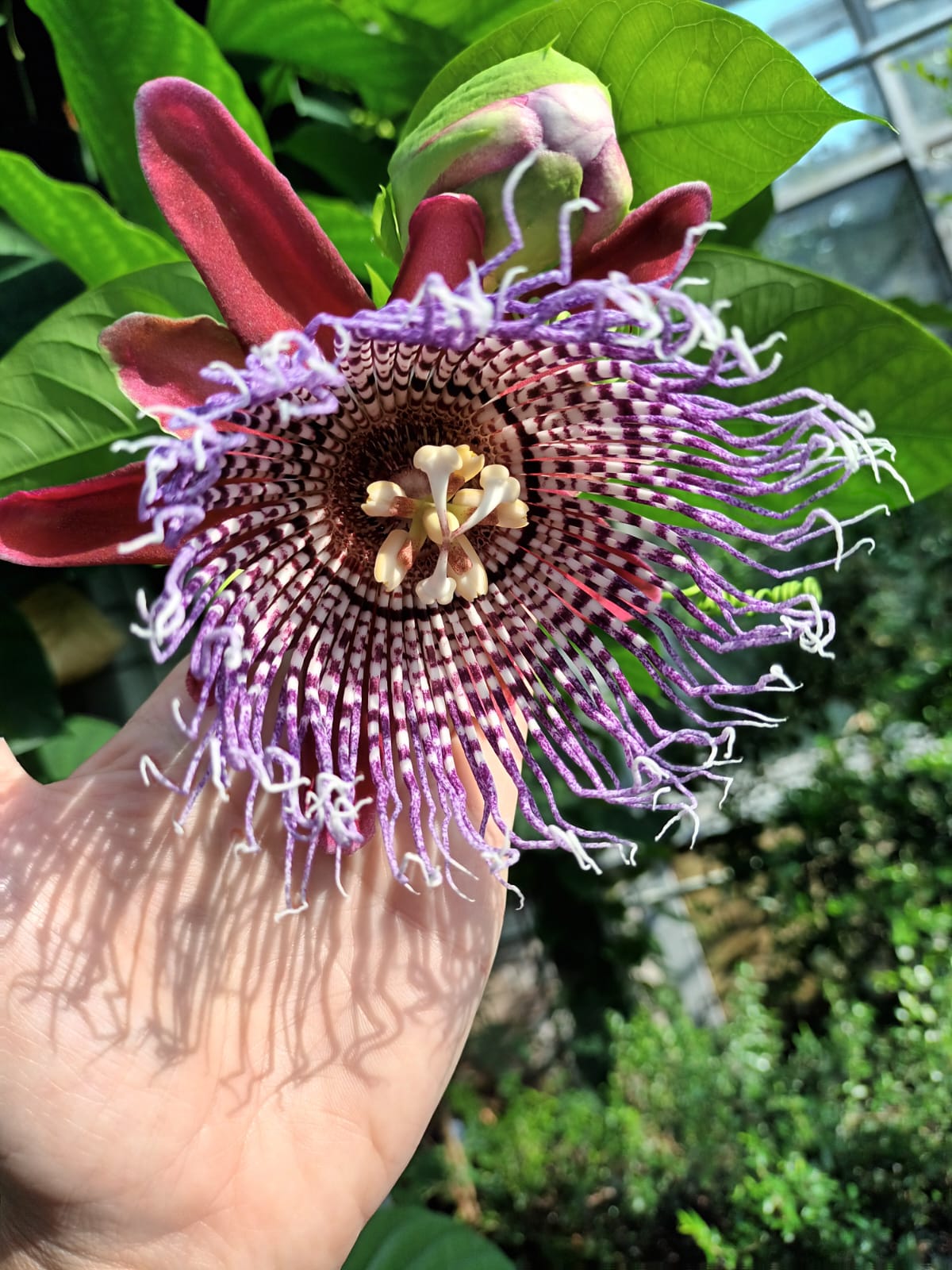
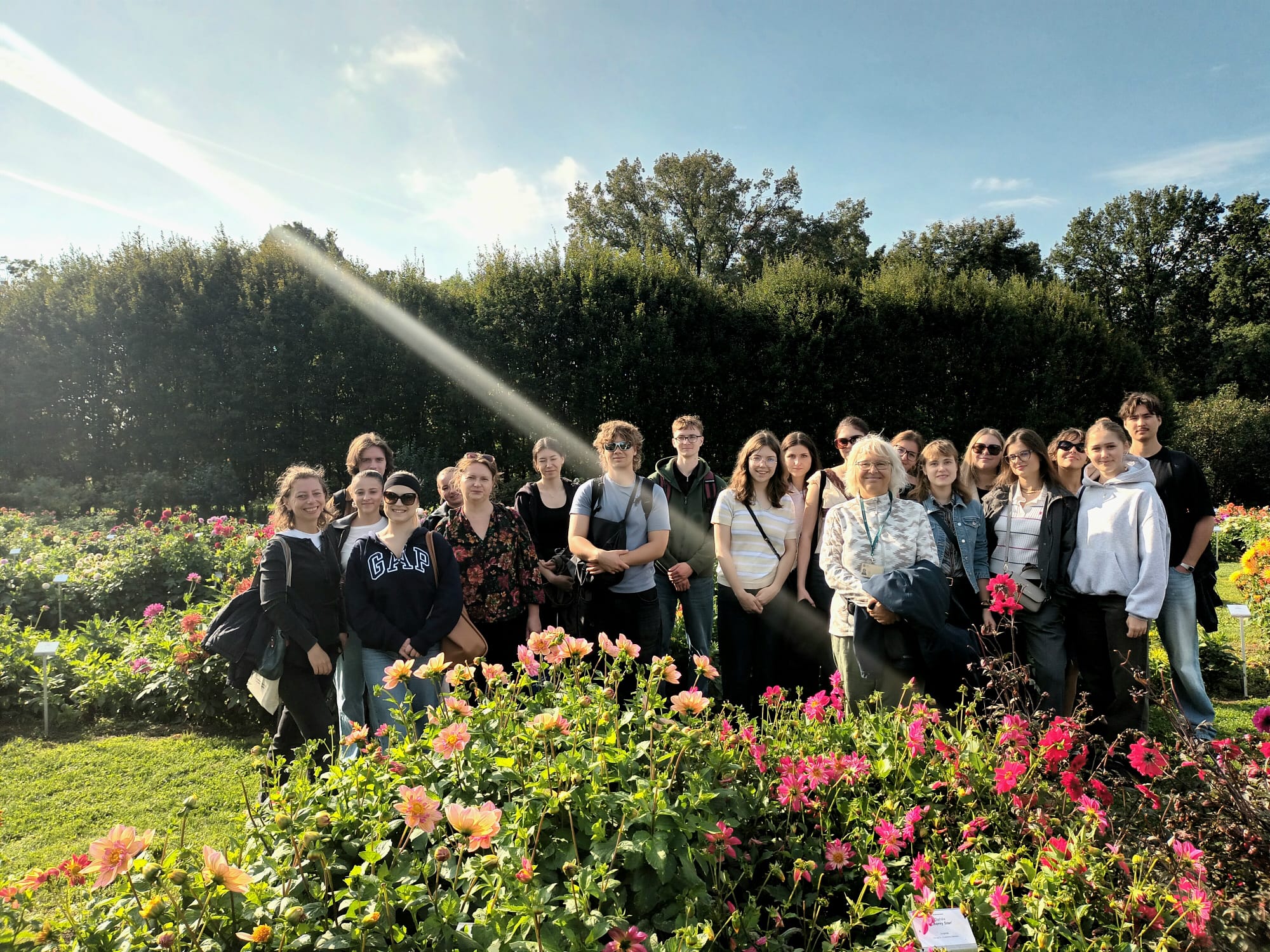
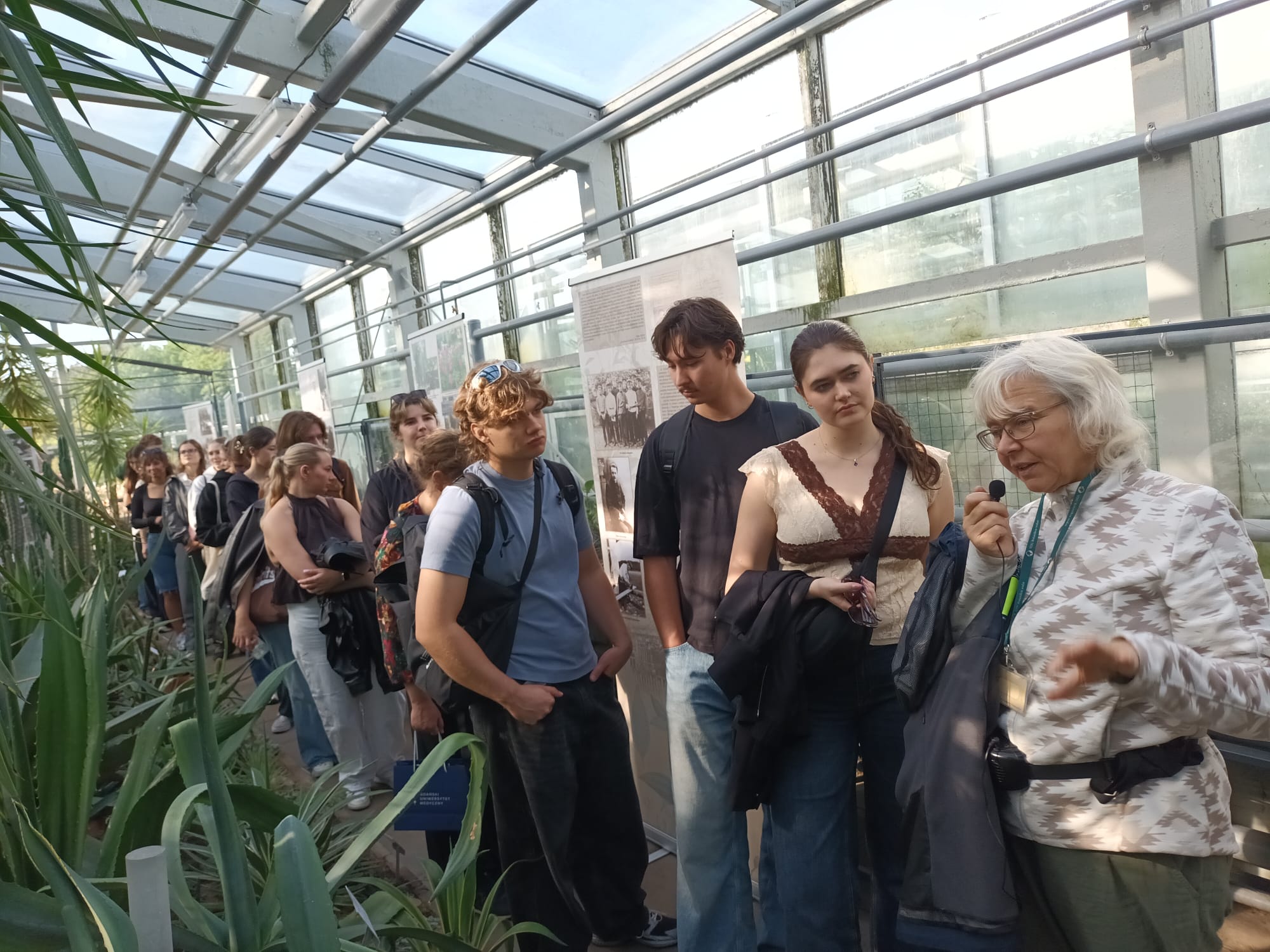
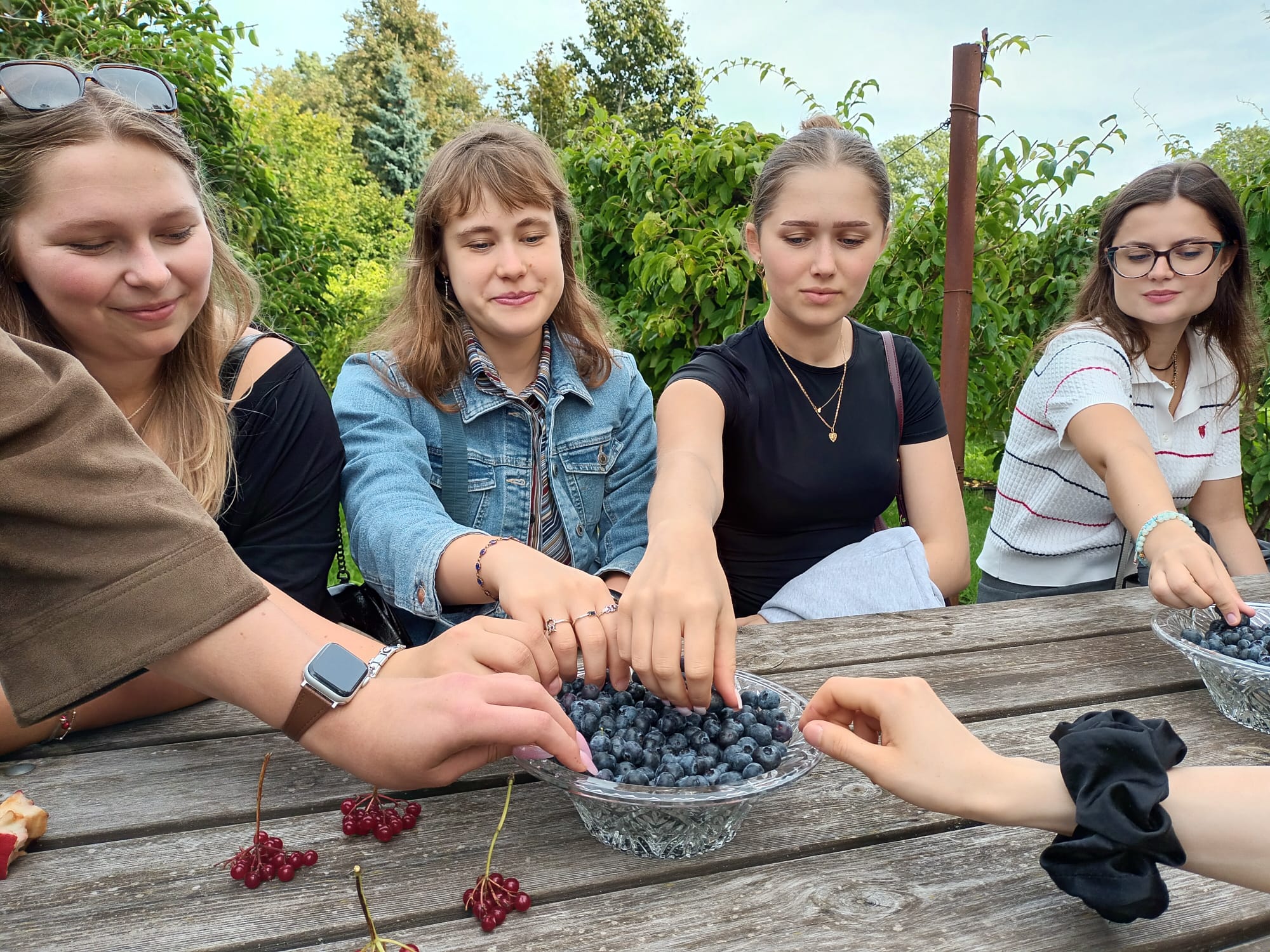
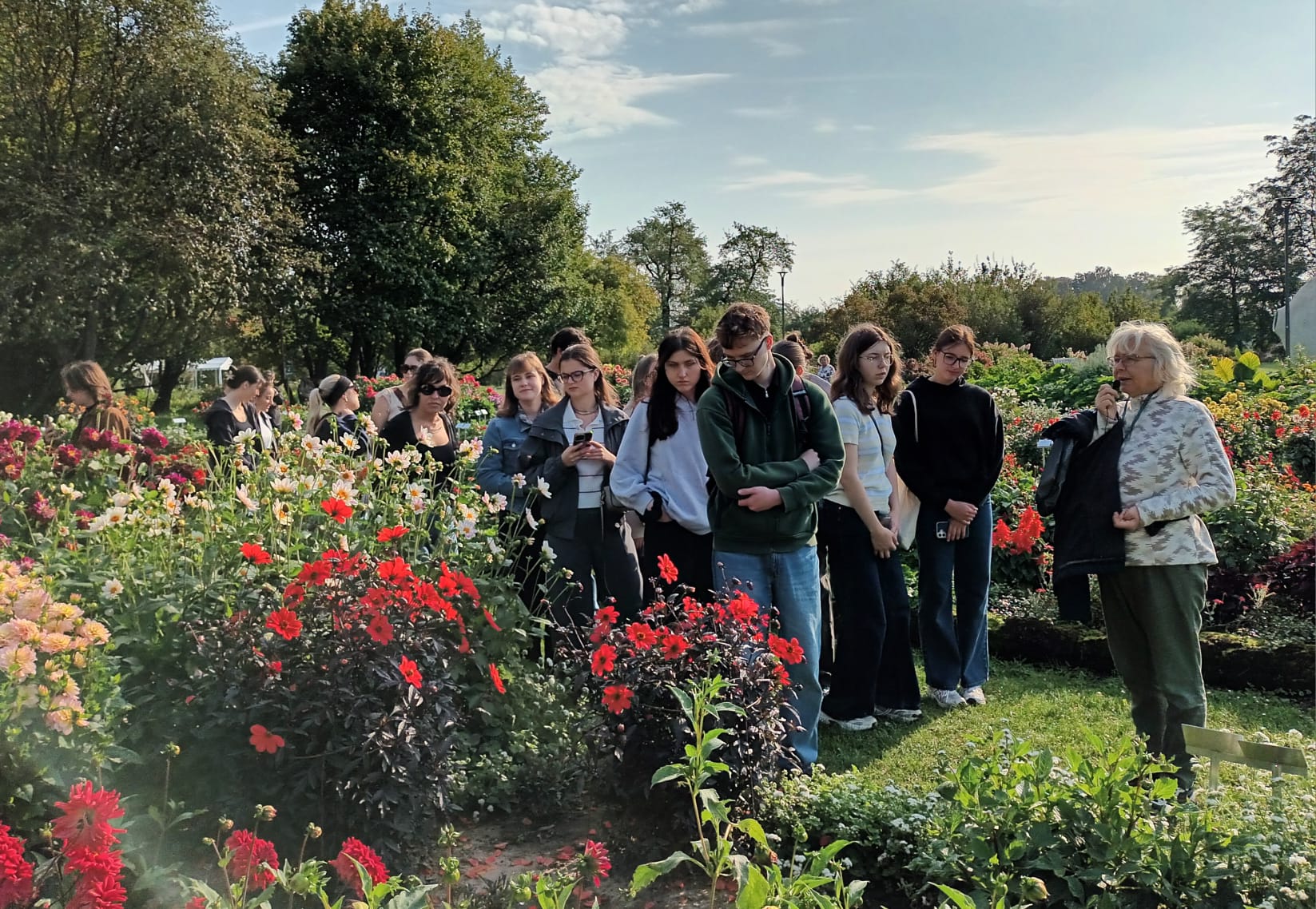
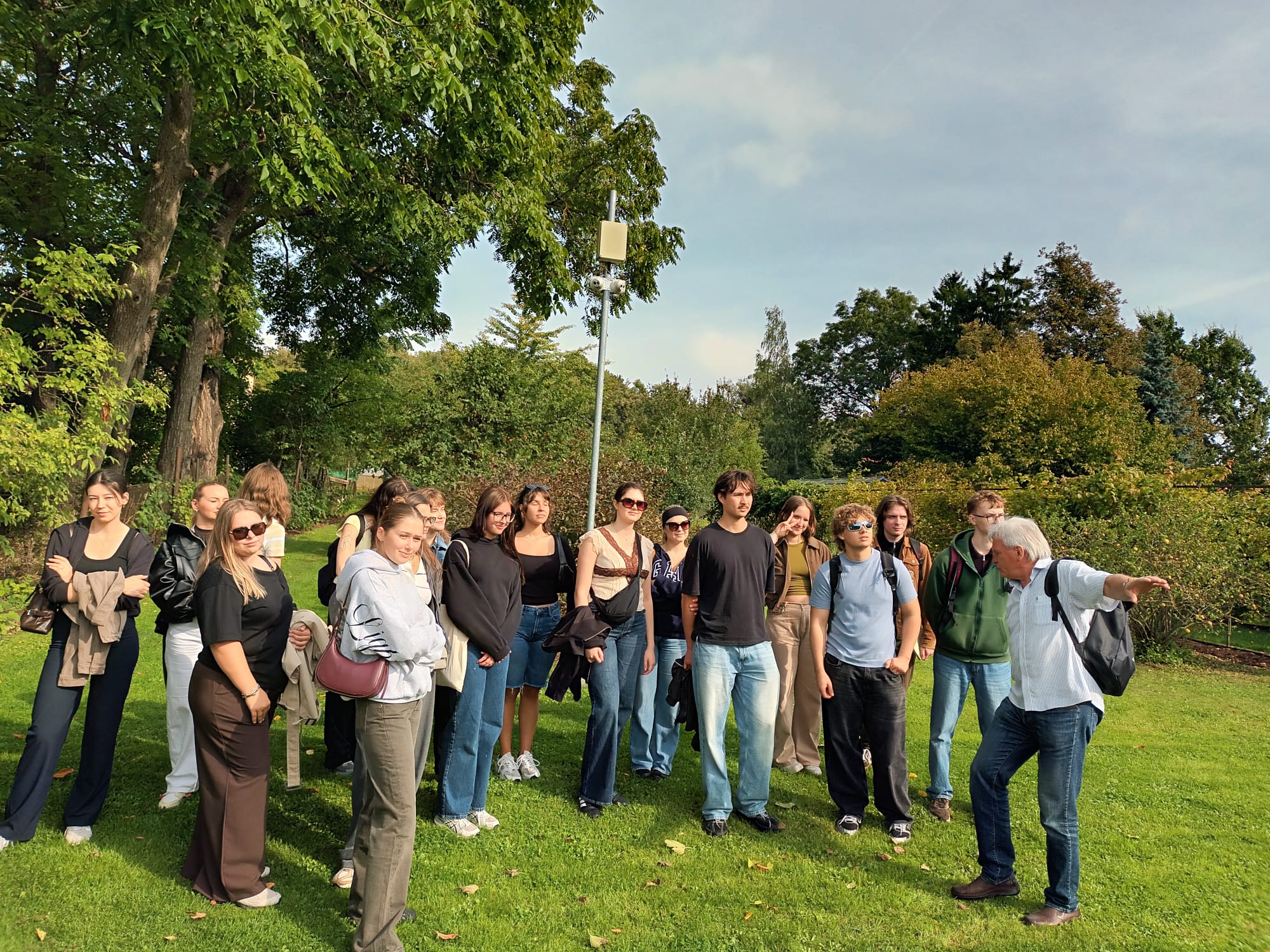
On 16 September, the group visited the Botanical Garden, where they discovered a variety of medicinal plants traditionally used in Lithuania. The students learned about their properties, applications and significance, gaining further insight into the relationship between plant biodiversity and their practical uses.
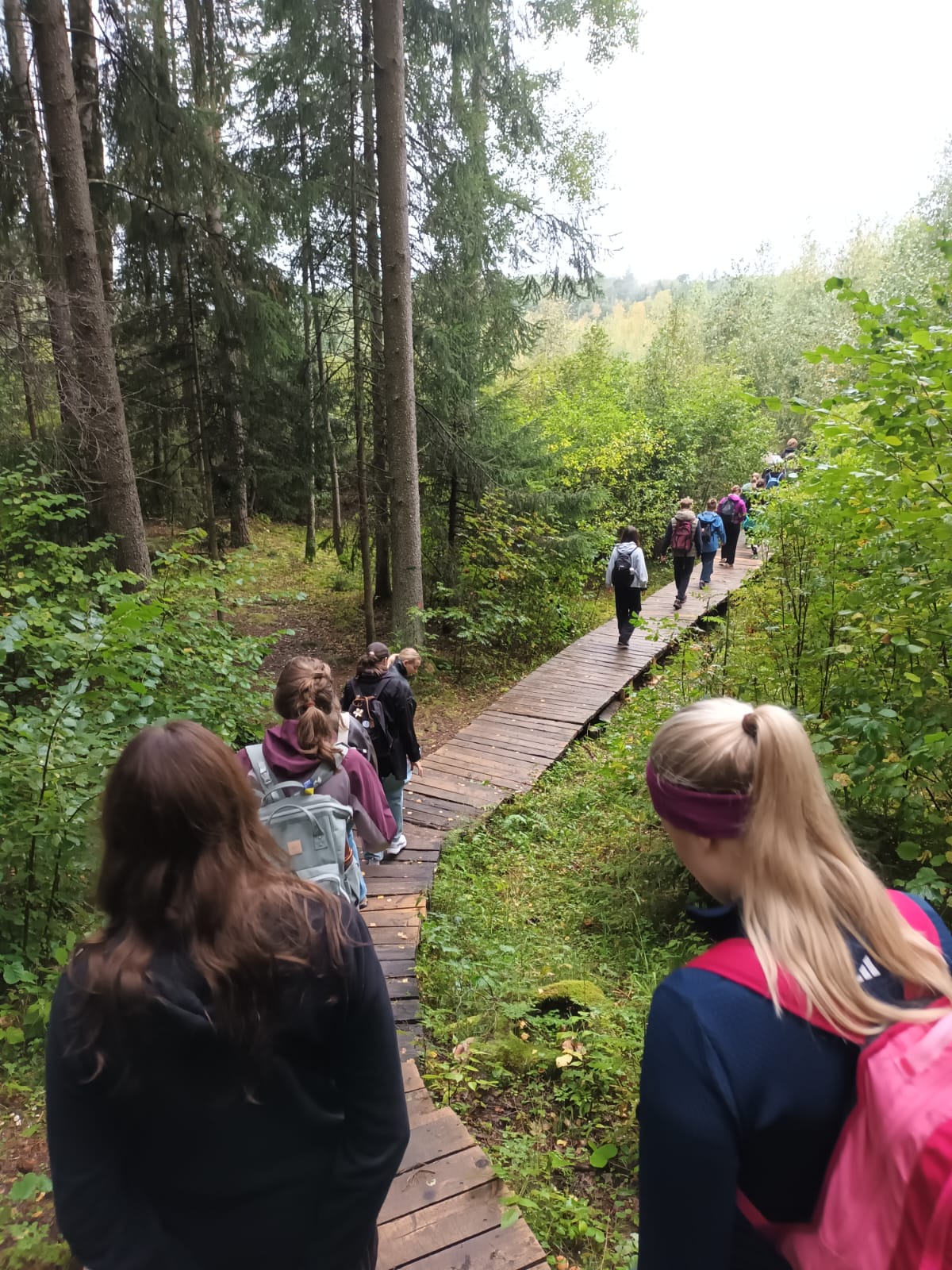
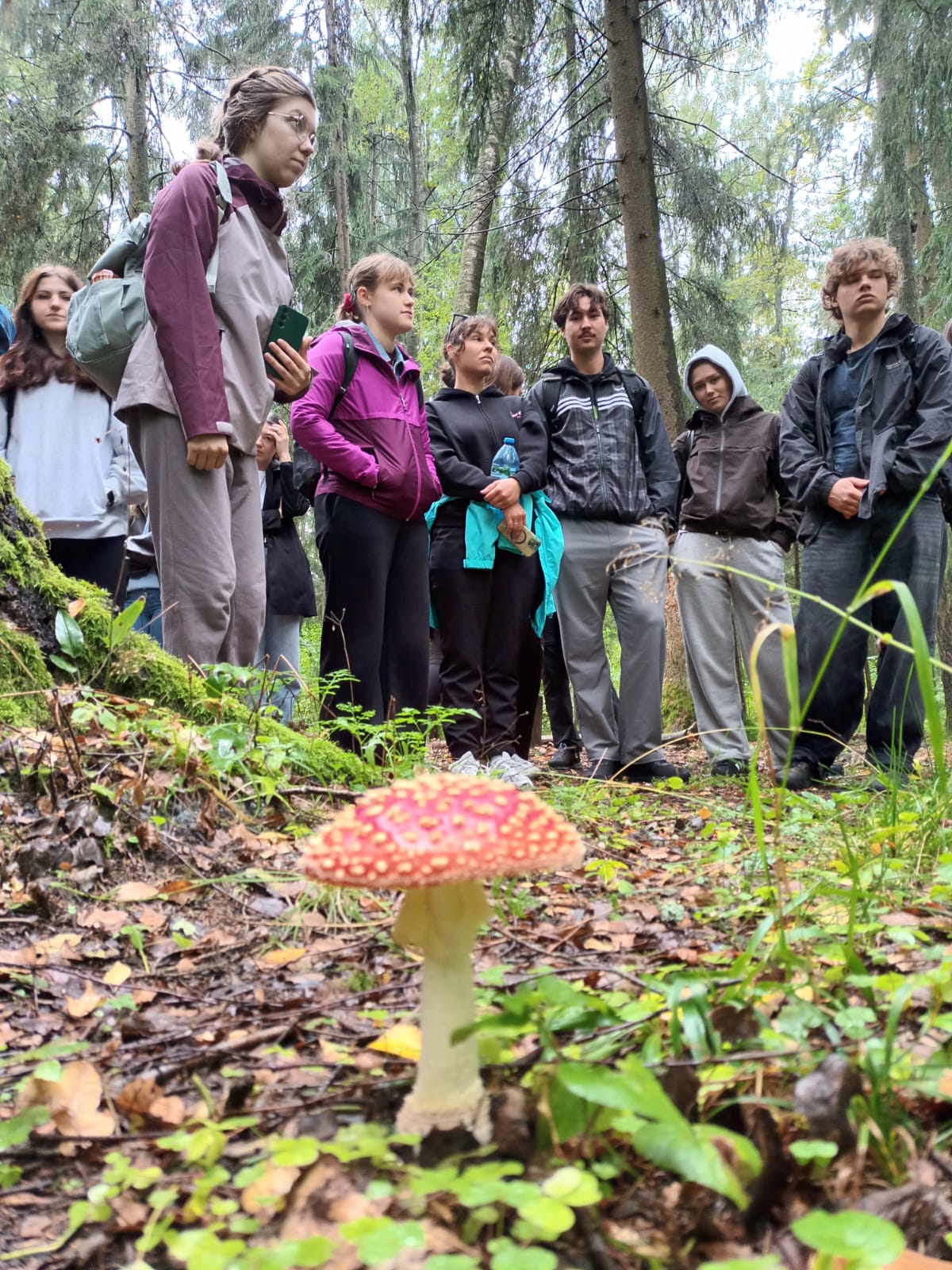
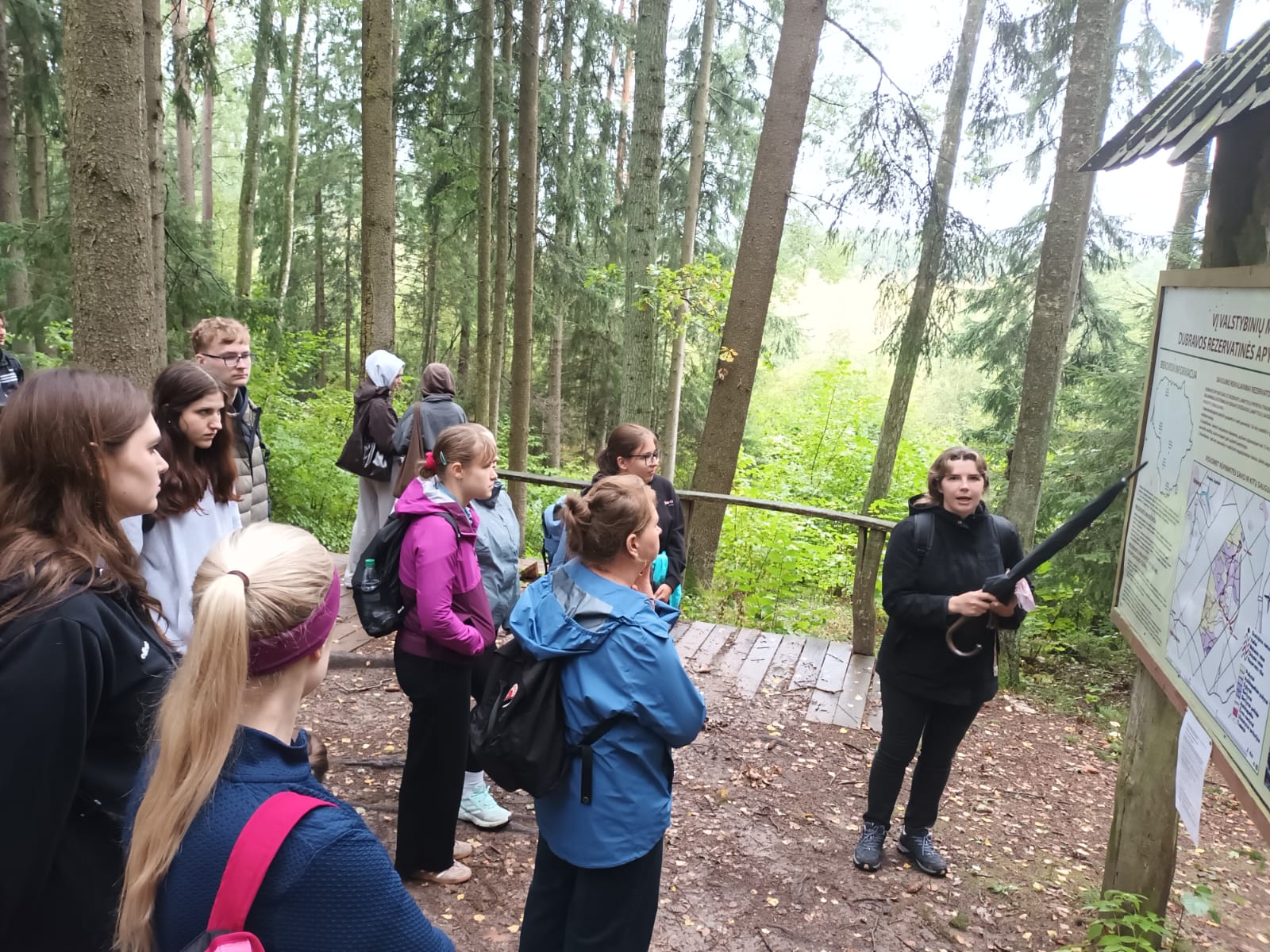
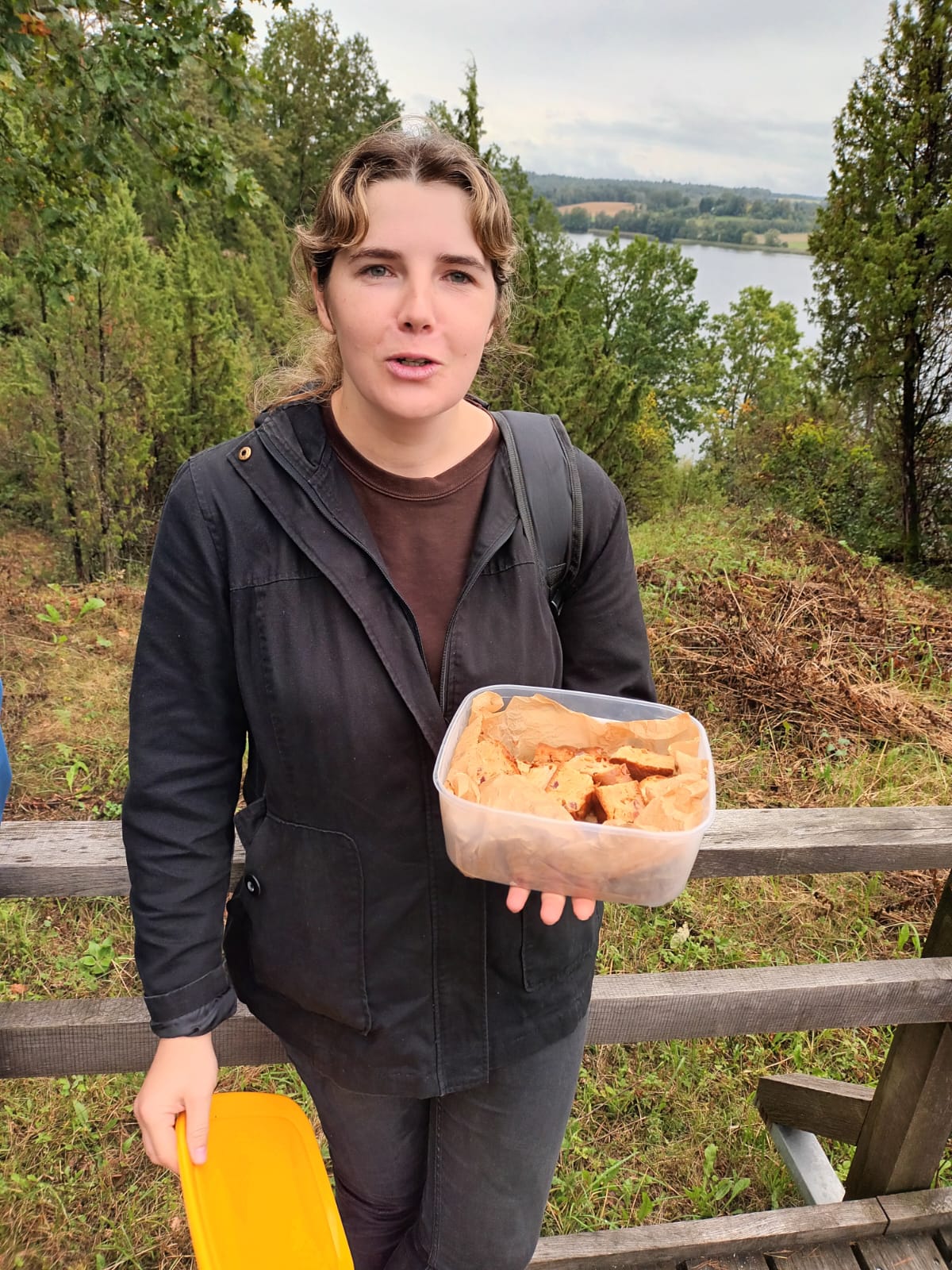
The programme concluded on 17 September with an educational field trip to the surrounding forests. During the visit, the students learned about local flora and examined both native and invasive plant species in their natural habitats. The field trip provided an opportunity to observe different plant communities first-hand and discuss their ecological significance.
The three-day programme offered participants an interdisciplinary learning experience, bringing together engineering, environmental science, modern technologies and biodiversity. Through practical demonstrations, field observations and discussions with lecturers, the students were able to expand their knowledge beyond the classroom while experiencing the natural and academic environment of Lithuania.
The activities contributed to the ACE²-EU Alliance’s aim of promoting international cooperation, knowledge exchange and innovative learning opportunities across partner institutions.