UCB Teachers:

Lecturer Ph.D
Andreea-Mihaela Cilibiu
Course Coordinator
Andreea-Mihaela Cilibiu is a University Lecturer at “Constantin Brâncuși” University of Târgu Jiu, Romania, with a PhD in Sociology from the University of Craiova. Her academic and teaching interests include Sociology, Sociology of Education, Educational and Social Policies, Inclusion and Academic Ethics and Integrity. Her work is particularly concerned with the relationship between education, social change, institutional responsibility and the development of more inclusive and meaningful learning environments.
Alongside her academic career, international relations and the internationalisation of higher education have represented a significant and continuous area of her professional activity. She has extensive experience in coordinating Erasmus+ activities, international mobility, communication with partner universities, institutional internationalisation initiatives and the organisation and promotion of international academic events. Her professional experience in this field began within the university’s International Relations structures and later included the coordination of the Erasmus+ Office and responsibilities related to international partnerships, mobility monitoring and institutional visibility.
She has also been actively involved in the development, implementation and management of national and European projects. Her experience includes positions as Project Director and Deputy Project Director in projects dedicated to the internationalisation of higher education, as well as project implementation, monitoring and training responsibilities in Erasmus+, POCU, POSDRU and institutional development projects. These roles have contributed to the development of strong competences in project planning, coordination, implementation, monitoring, quality control, communication, teamwork and deadline management.
Within the ACE²-EU European University Alliance, she is currently involved in WP2 – APP Factory, Pedagogy Unit, where she contributes as an Education Specialist to pedagogical development, staff professional development activities, programme planning, evaluation and quality monitoring. Her work includes the development and monitoring of ALES and ALPS activities and the design of evaluation and follow-up instruments.
Her professional profile therefore brings together three closely connected areas: academic teaching and research, international higher education cooperation and project development and management. She is particularly interested in initiatives that connect universities across countries, strengthen international academic communities and translate European cooperation into concrete educational opportunities, innovative pedagogical practices and sustainable institutional development.
Dr. Flavius-Cristian Mărcău is a Lecturer in Political Science at “Constantin Brâncuși” University of Târgu Jiu, Romania, and Editor-in-Chief of Research and Science Today. His research focuses on fake news, disinformation, information manipulation, international security, geopolitics, European studies, and the societal impact of artificial intelligence.
In recent years, his work has increasingly explored how false and misleading information is created, amplified, and legitimised in digital environments, as well as the ways in which disinformation can influence public trust, political behaviour, institutional credibility, and democratic resilience. He is particularly interested in the intersection between artificial intelligence, online information ecosystems, and the evolving mechanisms of influence and manipulation.
Alongside his academic and editorial activity, Dr. Mărcău is involved in initiatives dedicated to strengthening information integrity and promoting the responsible use of artificial intelligence, including the Ethical Shield project.

Dr. Flavius-Cristian Mărcău
Educational Specialist
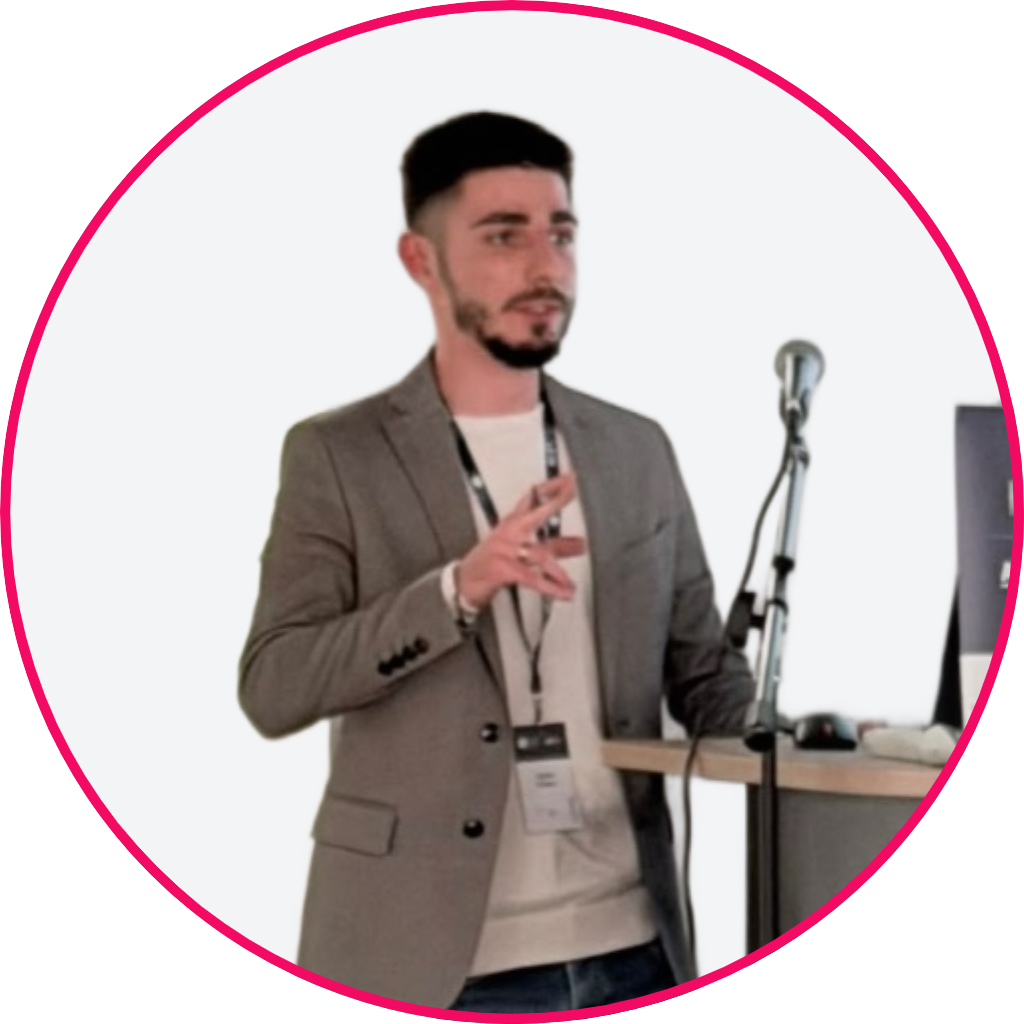
Cătălin Ionuț Drăgan
Cătălin-Ionuț Drăgan is an Educational Specialist at Constantin Brâncuși University of Târgu Jiu and a PhD student in Sociology at the Research Institute for Quality of Life, Romanian Academy. With over five years of experience in non-formal education, he is also an Equality and Equal Opportunities Expert, with a strong interest in education, social inclusion, and creating inclusive learning environments.
UGD Teacher:
Igor Stojanov is a media expert, journalist, and editor-in-chief at the University “Goce Delchev” in Štip, North Macedonia. With over a decade of experience in journalism, media education, and digital content creation, he leads the University’s radio, TV, and online media platforms. He is the founder and mentor of the youth-driven media outlet www.goce.mk, and serves as project coordinator for various international initiatives promoting independent journalism and youth media.
He is a co-founder of the Young Media Network, an international youth media association supported by Deutsche Welle Akademie. Igor has coordinated regional projects like the Balkan Youth Newsroom and Media for All, leading teams of young journalists and producing impactful multimedia content.
As a trainer and public speaker, he has participated in major forums such as the Brave New Media Forum, Journalift Talks, and OSCE media events. His international experience includes a fellowship at George Mason University (USA) and certified trainings in media strategy, storytelling, and business models from Thomson Foundation, BIRN, and Alfred Friendly Press Partners.
Igor holds a Master’s degree in Media and Communication from the University “St. Cyril and Methodius” in Skopje and is the founder of OPENN, an NGO focused on justice, equality, and independent journalism.
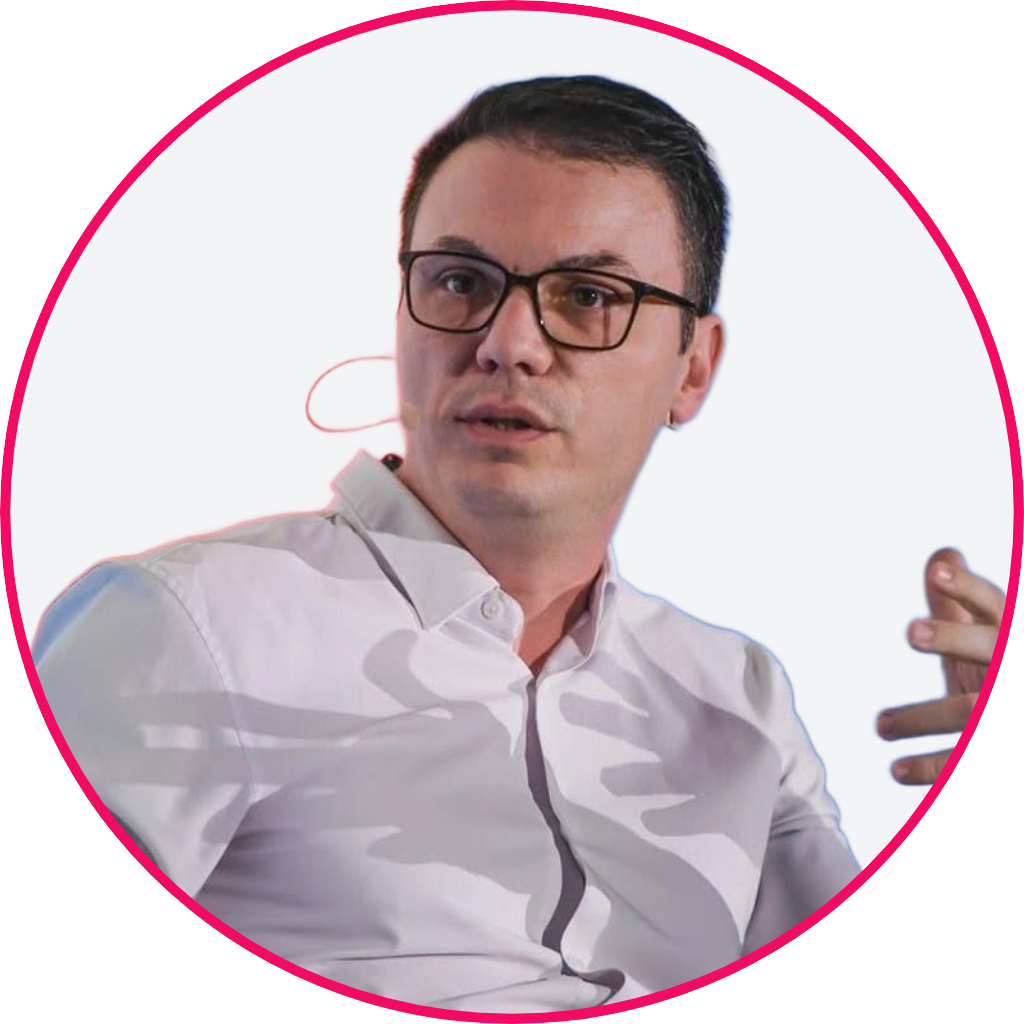
Igor Stojanov
UPS Teacher:
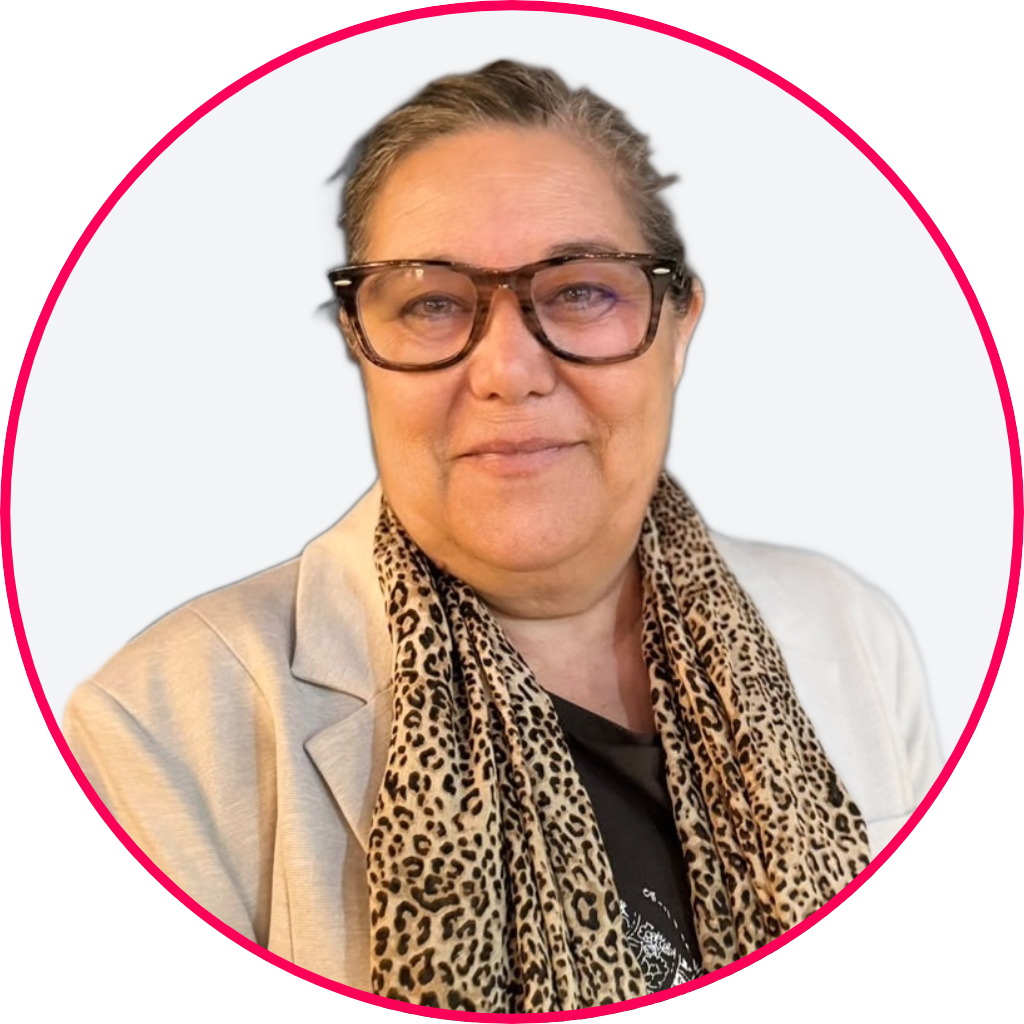
Perpétua Silva, Ph.D
Perpétua Silva, Ph.D. is an Adjunct Professor at the School of Education of Santarém Polytechnic University, with an academic background in Social Sciences. Her work is closely connected to Social Education and Community Intervention, with a strong focus on communities, social participation and educational practices. She is also involved in the coordination of the Master’s in Social Education and Community Intervention and currently serves as President of the School Assembly.
Tatiana Ferreira is an Adjunct Professor at the School of Education of Santarém Polytechnic University and a sociologist specialising in youth studies and social research.
Her research focuses on youth transitions to adulthood, education, employability, the labour market and public policies. She has extensive experience in research projects on youth policies at local, national and European levels and is also a collaborative researcher at the Research Centre in Quality of Life (CIEQV).
She is Vice-President and a full member of the European Rural Youth Observatory (EURYO), bringing a valuable perspective on youth, rural communities and social development.
ORCID: 0000-0003-1972-2575

Adjunct Professor Tatiana Ferreira
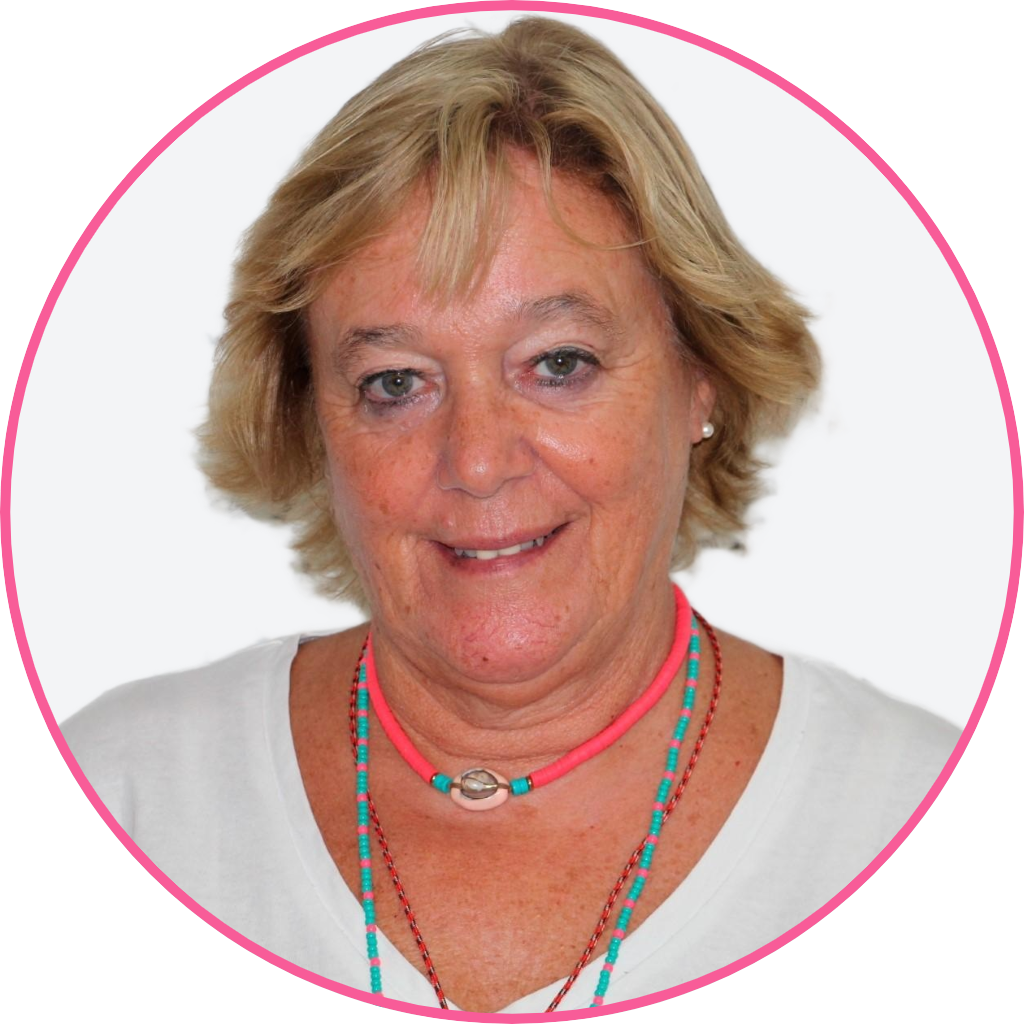
Maria da Costa Potes Franco Barroso Santaclara Barbas
Maria da Costa Potes Franco Barroso Santaclara Barbas is a Full Professor of Educational Multimedia Communication at the Polytechnic Institute of Santarém, where she serves as Pro-President for Innovation and Head of the Research Unit Digital Literacy and Social Inclusion (LD&IS). She also holds an invited professorship (20%) at Universidade Aberta in Lisbon and is an active EU evaluator across H2020, ERASMUS+, EUREKA, and Marie Skłodowska-Curie Actions (ethics reviewer).
Her career centers on digital inclusion, e-learning innovation, and social impact for underrepresented groups — particularly people with disabilities and women in STEM/ICT. She has led or co-led numerous EU-funded projects (FEMST, Changemakers, PREDICT, Front Winners, INNOSID, TV.Community), focused on themes like STEM empowerment for girls, youth employability, AI-driven future job skills, and social inclusion through emerging technologies.
She is a co-founder of the RIAL Lusophony HEI network and leads METARED’s Educational Technology and e-Girls in ICT initiative, reflecting a strong commitment to internationalization and networking among researchers. Her scholarly output includes publications on AI/ChatGPT in higher education, inclusive digital literacy curricula, and mentor reskilling for disability support — alongside recognitions such as being named an “e-Skills for Jobs Ambassador” by FCT Portugal and receiving multiple innovation and best-practice awards (Poliempreende 2019, Erasmus+ Best Practice 2020).
External stakeholders:
Special Telecommunications Service (STS), Romania
The Special Telecommunications Service (STS) is a Romanian public institution within the national defence, public order and national security system, responsible for developing, operating and securing critical IT&C infrastructures and communication services for public authorities. Its expertise includes secure communications, digital infrastructure, cybersecurity-related services and the operation of major public digital systems, including the 112 Emergency Service.
National Audiovisual Council (CNA), Romania
The National Audiovisual Council (CNA) is Romania’s regulatory authority in the audiovisual field, with responsibilities related to the monitoring and regulation of radio, television and audiovisual media services. Its activities also include mechanisms through which citizens can report problematic audiovisual and online content.
CNA is a key stakeholder due to its expertise in media regulation, responsible communication and the protection of the public in the evolving digital information environment. Its contribution can provide students with a practical understanding of how misleading or harmful content is addressed from a regulatory perspective, the responsibilities of media actors, and the challenges created by the rapid circulation of information online.
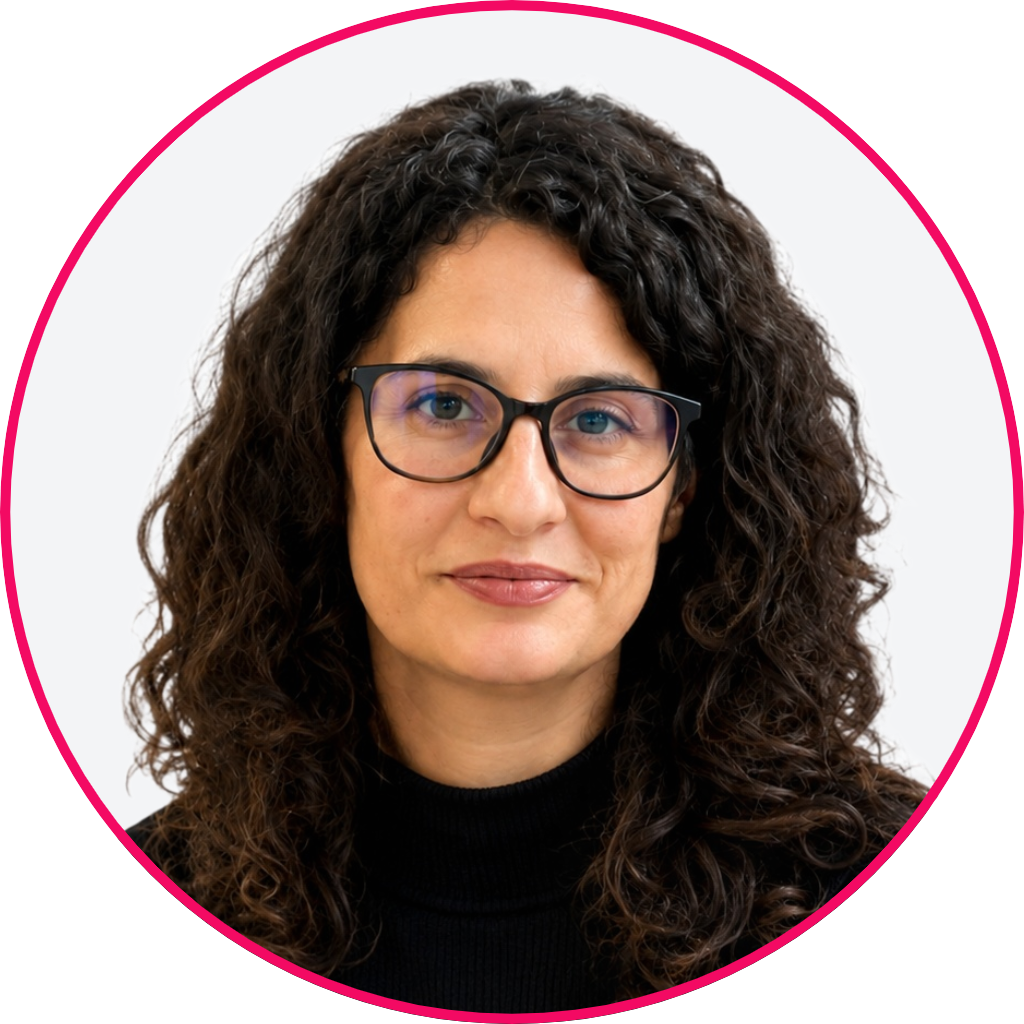
Aona Antara Calistru is an Audiovisual Inspector at the National Audiovisual Council of Romania, the regulatory authority for audiovisual media services. She has over 20 years of experience in mass media, marketing, advertising, and communication. She is also a media literacy trainer, supporting media education workshops for students, teachers, and adults. In addition to her main role, her work focuses on promoting critical thinking, responsible media consumption, and resilience to misinformation and disinformation.
TVR Craiova – Regional Public Television
TVR Craiova is one of the regional studios of the Romanian public television service, providing news, debates, educational, cultural and social-interest programmes for audiences in the Oltenia region.
TVR Craiova is a highly relevant media stakeholder, bringing practical expertise in journalism, news production, information verification and public communication. Its contribution can help students understand how information is selected, verified and transformed into media content, as well as the professional and ethical responsibilities involved in communicating with the public.
Through journalists’ practical experience and concrete examples from regional media, TVR Craiova can contribute to discussions on fact-checking, source credibility, misinformation and disinformation, media ethics, and the role of public-service media in strengthening media literacy and public trust. Its regional perspective is particularly valuable for exploring how fake news can influence local communities and how responsible journalism can contribute to social resilience.
Radio România Oltenia – Craiova
Radio România Oltenia – Craiova is a regional public-service radio station providing news, information, debates and programmes addressing social, cultural and community issues across the Oltenia region.
Radio România Oltenia – Craiova is a relevant media stakeholder due to its practical expertise in journalism, news production, source verification and communication with local and regional audiences. Its contribution can help students understand how journalists assess the credibility of information, verify sources and respond to misinformation in a rapidly changing media environment.
As a regional public-service media organisation, it can also provide valuable insight into how fake news and disinformation affect local communities, public trust and social cohesion. Through practical examples and interaction with journalists, students can explore fact-checking, media ethics, responsible communication and the role of public media in strengthening media literacy and societal resilience.
The Research Institute for Quality of Life (ICCV) of the Romanian Academy is a leading Romanian research institution specialising in quality of life, social inequalities, social inclusion, vulnerable groups, social policies and social change.
For the Fake News and Social Impact course, ICCV is a relevant academic and research stakeholder due to its expertise in analysing how social, economic and cultural factors influence individuals and communities. Its contribution can provide students with a social-science perspective on the effects of misinformation and disinformation, including their potential impact on public trust, social cohesion, vulnerable groups and individual and community well-being.
Through its expertise in social research, surveys, qualitative methods and social indicators, ICCV can also contribute to understanding how different social groups perceive, access and respond to information. This perspective complements the media, regulatory and technological dimensions of the course by helping students explore fake news not only as an information problem, but also as a broader social phenomenon with consequences for quality of life and societal resilience.

ProdCom – Printing, Advertising and Communication Industry
ProdCom is a Romanian company based in Târgu Jiu, specialising in printing, publishing solutions, promotional materials, advertising, packaging and brand identity.
Its contribution can help students explore the responsibilities associated with producing and disseminating communication materials, including source credibility, accuracy, visual manipulation, copyright and ethical communication. ProdCom can also provide practical insights into how branding, advertising and visual communication influence public perception and how misleading or decontextualised content can affect trust in organisations and information.
The company’s perspective can therefore complement the institutional, media and academic stakeholders involved in the course by connecting media literacy and responsible communication with real-world content production, advertising and professional communication practices.
Research Institute for Quality of Life (ICCV), Romanian Academy
The Research Institute for Quality of Life (ICCV) of the Romanian Academy is a leading Romanian research institution specialising in quality of life, social inequalities, social inclusion, vulnerable groups, social policies and social change.
ICCV is a relevant academic and research stakeholder due to its expertise in analysing how social, economic and cultural factors influence individuals and communities. Its contribution can provide students with a social-science perspective on the effects of misinformation and disinformation, including their potential impact on public trust, social cohesion, vulnerable groups and individual and community well-being.
Through its expertise in social research, surveys, qualitative methods and social indicators, ICCV can also contribute to understanding how different social groups perceive, access and respond to information. This perspective complements the media, regulatory and technological dimensions of the course by helping students explore fake news not only as an information problem, but also as a broader social phenomenon with consequences for quality of life and societal resilience.

Romanian Copyright Office (ORDA)
The Romanian Copyright Office (ORDA – Oficiul Român pentru Drepturile de Autor) is a specialised central public administration authority under the Government of Romania, responsible for the regulation, supervision, authorisation, and administration of copyright and related rights. ORDA maintains national registers in the field, provides technical and scientific expertise, and contributes to ensuring the effective protection and lawful use of intellectual creations in Romania. The institution also supports the development of the creative industries and cooperates with national and international organisations to strengthen copyright protection, including in the digital environment.
Infopack:
Event pictures: